 EN
EN
 AR
AR
 CS
CS
 DA
DA
 NL
NL
 FI
FI
 FR
FR
 DE
DE
 EL
EL
 HI
HI
 IT
IT
 JA
JA
 KO
KO
 NO
NO
 PL
PL
 PT
PT
 RO
RO
 RU
RU
 ES
ES
 SV
SV
 IW
IW
 ID
ID
 SR
SR
 SK
SK
 UK
UK
 VI
VI
 HU
HU
 TH
TH
 TR
TR
 AF
AF
 MS
MS
 CY
CY
 IS
IS
 BN
BN
 LO
LO
 LA
LA
 NE
NE
 MY
MY
 KK
KK
 UZ
UZ


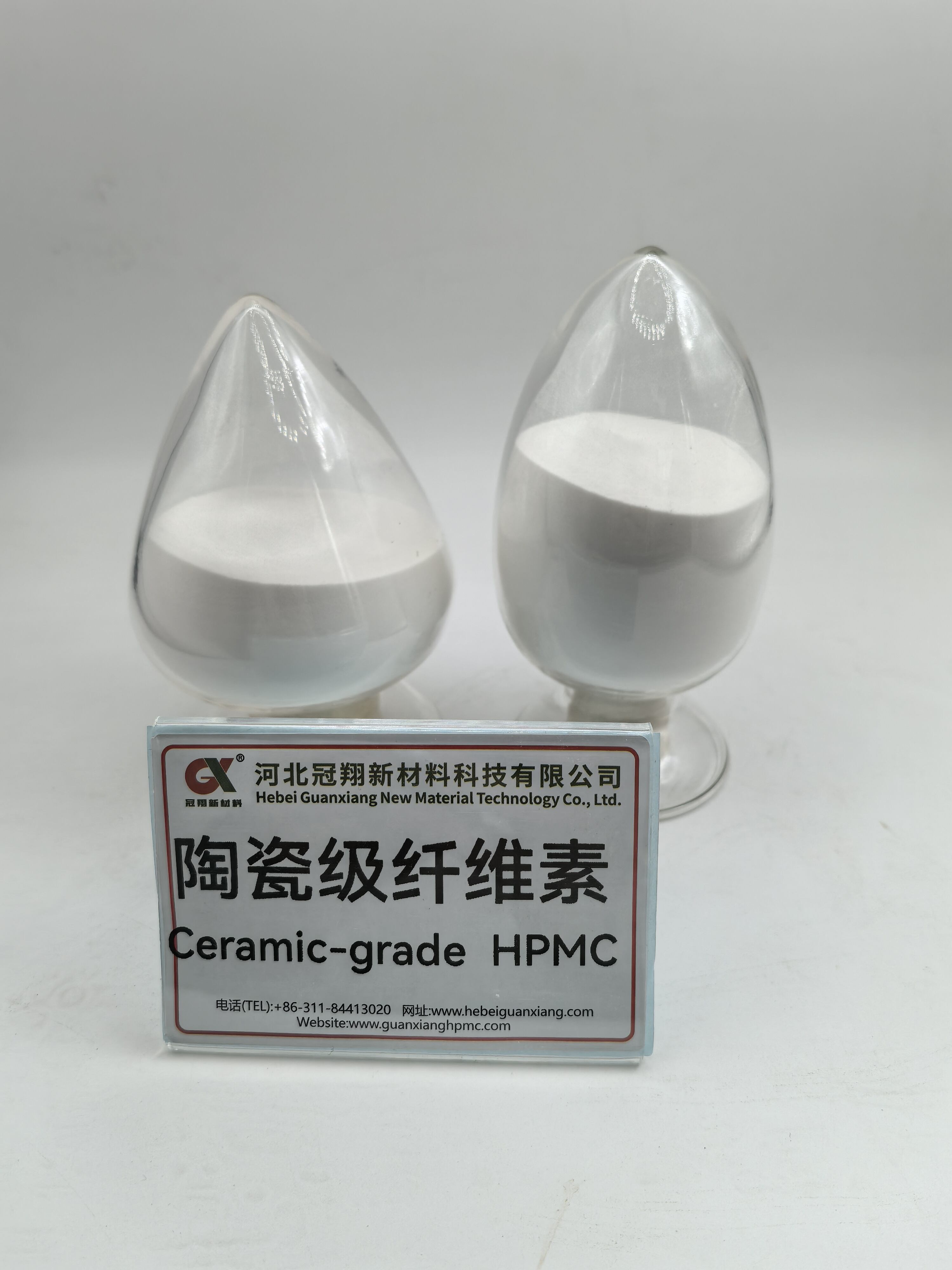
Hydroxypropyl methylcellulose, commonly known as HPMC powder, presents unique challenges when utilized in high-temperature industrial environments. This cellulose derivative has become increasingly important across various manufacturing sectors, yet its thermal limitations often create significant operational obstacles. Understanding these temperature-related constraints is essential for engineers and manufacturers who rely on HPMC powder formulations in demanding applications. The molecular structure of this versatile polymer undergoes critical changes when exposed to elevated temperatures, affecting its fundamental properties and performance characteristics.
Thermal Degradation Mechanisms in HPMC Powder
Molecular Structure Breakdown Under Heat Stress
The primary challenge facing HPMC powder in high-temperature environments stems from its inherent molecular instability above critical threshold temperatures. When exposed to temperatures exceeding 200°C, the hydroxypropyl and methyl substituents begin to undergo thermal decomposition, leading to chain scission and cross-linking reactions. This degradation process fundamentally alters the rheological properties that make HPMC powder valuable in industrial applications. The polymer chains that provide viscosity and film-forming capabilities start breaking down, resulting in reduced molecular weight and compromised functionality.
Advanced thermal analysis studies reveal that HPMC powder experiences multiple degradation stages, each characterized by distinct weight loss patterns and chemical transformations. The initial degradation typically occurs around 150-200°C, where volatile compounds begin to evolve, followed by more severe decomposition at temperatures above 250°C. These thermal transitions create significant challenges for manufacturers who require consistent material properties throughout high-temperature processing cycles.
Impact on Physical and Chemical Properties
High-temperature exposure causes dramatic changes in the physical characteristics of HPMC powder, particularly affecting its solubility, viscosity, and gel strength properties. The thermal degradation process leads to the formation of carbonyl groups and other oxidative products that alter the polymer's interaction with water and other solvents. These changes manifest as reduced dissolution rates, altered gelation temperatures, and modified rheological behavior that can compromise end-product quality in temperature-sensitive applications.
The chemical stability of HPMC powder becomes increasingly compromised as temperature exposure duration extends, creating cumulative effects that may not be immediately apparent during short-term testing. Long-term thermal exposure can result in color changes, ranging from slight yellowing to significant browning, indicating extensive molecular degradation that affects both aesthetic and functional properties of the final product.
Processing and Manufacturing Complications
Equipment Compatibility and Operational Constraints
Manufacturing facilities utilizing HPMC powder in high-temperature processes face significant equipment-related challenges that require specialized solutions and careful process design. Standard mixing and processing equipment may not provide adequate temperature control to prevent thermal degradation, necessitating investment in specialized heating systems with precise temperature regulation capabilities. The tendency of HPMC powder to form thermal degradation products can lead to equipment fouling, requiring more frequent cleaning cycles and potentially causing production downtime.
Process engineers must carefully balance heating rates and residence times to minimize thermal exposure while maintaining adequate processing efficiency. Rapid heating can cause localized overheating and non-uniform degradation, while extended heating periods increase the overall thermal load on the polymer. These constraints often require modification of existing production lines or investment in new equipment specifically designed for temperature-sensitive polymer processing.
Quality Control and Consistency Challenges
Maintaining consistent quality standards for HPMC powder products becomes increasingly difficult as processing temperatures approach the material's thermal stability limits. Traditional quality control methods may not adequately detect early-stage thermal degradation, requiring implementation of more sophisticated analytical techniques such as differential scanning calorimetry and thermogravimetric analysis. These advanced testing methods add complexity and cost to quality assurance programs while extending product release timeframes.
Batch-to-batch variability often increases when HPMC powder is processed at elevated temperatures, as slight variations in heating conditions can lead to significantly different degrees of thermal degradation. This variability creates challenges in maintaining product specifications and may require tighter process controls and more frequent quality testing to ensure consistent performance in end-use applications.
Application-Specific Performance Issues
Construction and Building Materials Challenges
In construction applications, HPMC powder serves critical functions in cement-based systems, tile adhesives, and rendering mortars where high-temperature exposure can occur during summer conditions or in heated manufacturing environments. The thermal sensitivity of HPMC powder creates particular challenges in hot climate construction projects where ambient temperatures and direct solar radiation can exceed the polymer's stability threshold. These conditions can lead to premature gelation, reduced workability, and compromised adhesive properties that affect the long-term performance of construction materials.
The interaction between HPMC powder and cement hydration heat presents additional complications, as the exothermic cement curing process can create localized high-temperature zones that accelerate polymer degradation. This phenomenon is particularly problematic in mass concrete applications or rapid-setting formulations where temperature control becomes critical for maintaining the desired properties of the HPMC powder component.
Pharmaceutical and Food Industry Limitations
Pharmaceutical manufacturing processes often require sterilization steps involving high-temperature steam treatment or dry heat exposure, creating significant challenges when HPMC powder is used as an excipient or coating material. The thermal degradation of HPMC powder during sterilization can alter drug release profiles, affect tablet disintegration times, and potentially create degradation products that require extensive safety testing. These limitations often force manufacturers to seek alternative sterilization methods or modify formulations to accommodate the thermal sensitivity of HPMC powder components.
Food processing applications face similar constraints when HPMC powder is used as a thickening agent or stabilizer in products requiring high-temperature processing such as retort sterilization or baking applications. The breakdown of HPMC powder at elevated temperatures can result in texture changes, reduced shelf stability, and altered sensory properties that compromise product quality and consumer acceptance.
Mitigation Strategies and Solutions
Chemical Modification and Stabilization Approaches
Researchers and manufacturers have developed various chemical modification techniques to enhance the thermal stability of HPMC powder while maintaining its desirable functional properties. Cross-linking modifications using compatible chemical agents can increase the thermal decomposition temperature and reduce the rate of molecular weight degradation during high-temperature exposure. These modifications typically involve introducing additional chemical bonds within the polymer structure that provide enhanced thermal resistance without significantly altering the material's solubility or rheological characteristics.
Antioxidant incorporation represents another promising approach for improving the high-temperature performance of HPMC powder formulations. Carefully selected antioxidant systems can help prevent or delay the oxidative degradation processes that accelerate at elevated temperatures, extending the usable temperature range and improving long-term stability. The selection and optimization of antioxidant packages require extensive testing to ensure compatibility with intended applications and regulatory compliance in sensitive industries such as pharmaceuticals and food processing.
Process Optimization and Engineering Solutions
Advanced process design strategies can significantly mitigate the challenges associated with using HPMC powder in high-temperature environments through careful control of thermal exposure parameters. Implementing staged heating profiles, optimized residence time distributions, and enhanced heat transfer control systems can minimize thermal stress while maintaining processing efficiency. These engineering solutions often involve sophisticated control systems that monitor multiple process variables simultaneously and adjust heating profiles in real-time to prevent excessive thermal exposure of the HPMC powder component.
Alternative processing technologies such as microwave heating, infrared heating, or induction heating methods can provide more controlled and uniform heating profiles compared to conventional thermal processing approaches. These technologies enable precise temperature control and reduced overall thermal exposure times, helping preserve the integrity of HPMC powder while achieving necessary processing objectives. The implementation of such advanced heating systems requires careful evaluation of energy efficiency, equipment costs, and process validation requirements to ensure economic viability.
Future Developments and Research Directions
Next-Generation HPMC Powder Formulations
Ongoing research efforts focus on developing enhanced HPMC powder formulations with improved thermal stability characteristics while maintaining the versatility and functionality that makes this polymer valuable across diverse industrial applications. Advanced synthetic approaches using controlled polymerization techniques and novel substitution patterns show promise for creating HPMC powder variants with higher thermal degradation temperatures and reduced sensitivity to oxidative stress. These next-generation materials aim to expand the operational temperature range while preserving the favorable rheological and film-forming properties that characterize traditional HPMC powder products.
Nanotechnology integration presents exciting opportunities for enhancing the thermal performance of HPMC powder through incorporation of thermally stable nanofillers or nanostructured additives. These hybrid materials can potentially provide synergistic effects that improve overall thermal stability while introducing additional functional properties such as enhanced mechanical strength or barrier properties. The development of such advanced HPMC powder composites requires careful optimization to maintain processability and ensure regulatory compliance across various application sectors.
Analytical and Characterization Advancements
Sophisticated analytical techniques continue to evolve, providing better understanding and prediction of HPMC powder behavior under high-temperature conditions. Advanced thermal analysis methods, real-time spectroscopic monitoring, and molecular modeling approaches enable more accurate assessment of thermal stability limits and degradation mechanisms. These analytical advancements support the development of improved HPMC powder formulations and help optimize processing conditions to minimize thermal stress while maximizing performance characteristics.
Predictive modeling capabilities using artificial intelligence and machine learning algorithms show potential for optimizing HPMC powder formulations and processing parameters based on thermal performance requirements. These computational approaches can accelerate development timelines and reduce experimental costs while providing insights into complex thermal degradation mechanisms that may not be apparent through traditional analytical methods.
FAQ
What temperature range is considered safe for HPMC powder processing
HPMC powder can typically be processed safely at temperatures up to 150°C for short durations without significant degradation. However, prolonged exposure above 120°C may begin to affect some properties, and temperatures exceeding 200°C will cause rapid thermal decomposition. The safe operating temperature depends on factors such as exposure time, atmospheric conditions, and specific HPMC powder grade. For critical applications, maintaining processing temperatures below 100°C provides the best balance between functionality and thermal stability.
How does thermal degradation affect the performance of HPMC powder in construction applications
Thermal degradation of HPMC powder in construction applications leads to reduced water retention capacity, decreased workability extension, and compromised adhesive properties. The polymer's ability to modify cement hydration and provide extended open time diminishes significantly when thermal breakdown occurs. This can result in rapid setting, poor surface finish, and reduced bond strength in tile adhesives or rendering mortars. Construction projects in hot climates must implement temperature control measures to maintain HPMC powder effectiveness.
Can antioxidants effectively protect HPMC powder from high-temperature degradation
Antioxidants can provide significant protection for HPMC powder against thermal oxidation, particularly in applications involving moderate temperature elevation and extended exposure periods. Phenolic antioxidants and hindered amine light stabilizers have shown effectiveness in extending the thermal stability range by 20-30°C in many formulations. However, antioxidant protection has limits, and they cannot prevent thermal decomposition at extremely high temperatures. The selection of appropriate antioxidant systems requires consideration of compatibility, regulatory approval, and potential effects on end-product properties.
What alternative processing methods can reduce thermal stress on HPMC powder
Alternative processing methods including low-temperature dissolution, solvent-based processing, and cold mixing techniques can significantly reduce thermal stress on HPMC powder while maintaining functionality. Microwave-assisted processing enables rapid, uniform heating with shorter exposure times compared to conventional heating methods. Ultrasonic processing can enhance dissolution and dispersion without requiring elevated temperatures. These alternative approaches often require process modifications and equipment investments but can expand the usable applications for HPMC powder in temperature-sensitive operations.
Table of Contents
- Thermal Degradation Mechanisms in HPMC Powder
- Processing and Manufacturing Complications
- Application-Specific Performance Issues
- Mitigation Strategies and Solutions
- Future Developments and Research Directions
-
FAQ
- What temperature range is considered safe for HPMC powder processing
- How does thermal degradation affect the performance of HPMC powder in construction applications
- Can antioxidants effectively protect HPMC powder from high-temperature degradation
- What alternative processing methods can reduce thermal stress on HPMC powder