 EN
EN
 AR
AR
 CS
CS
 DA
DA
 NL
NL
 FI
FI
 FR
FR
 DE
DE
 EL
EL
 HI
HI
 IT
IT
 JA
JA
 KO
KO
 NO
NO
 PL
PL
 PT
PT
 RO
RO
 RU
RU
 ES
ES
 SV
SV
 IW
IW
 ID
ID
 SR
SR
 SK
SK
 UK
UK
 VI
VI
 HU
HU
 TH
TH
 TR
TR
 AF
AF
 MS
MS
 CY
CY
 IS
IS
 BN
BN
 LO
LO
 LA
LA
 NE
NE
 MY
MY
 KK
KK
 UZ
UZ


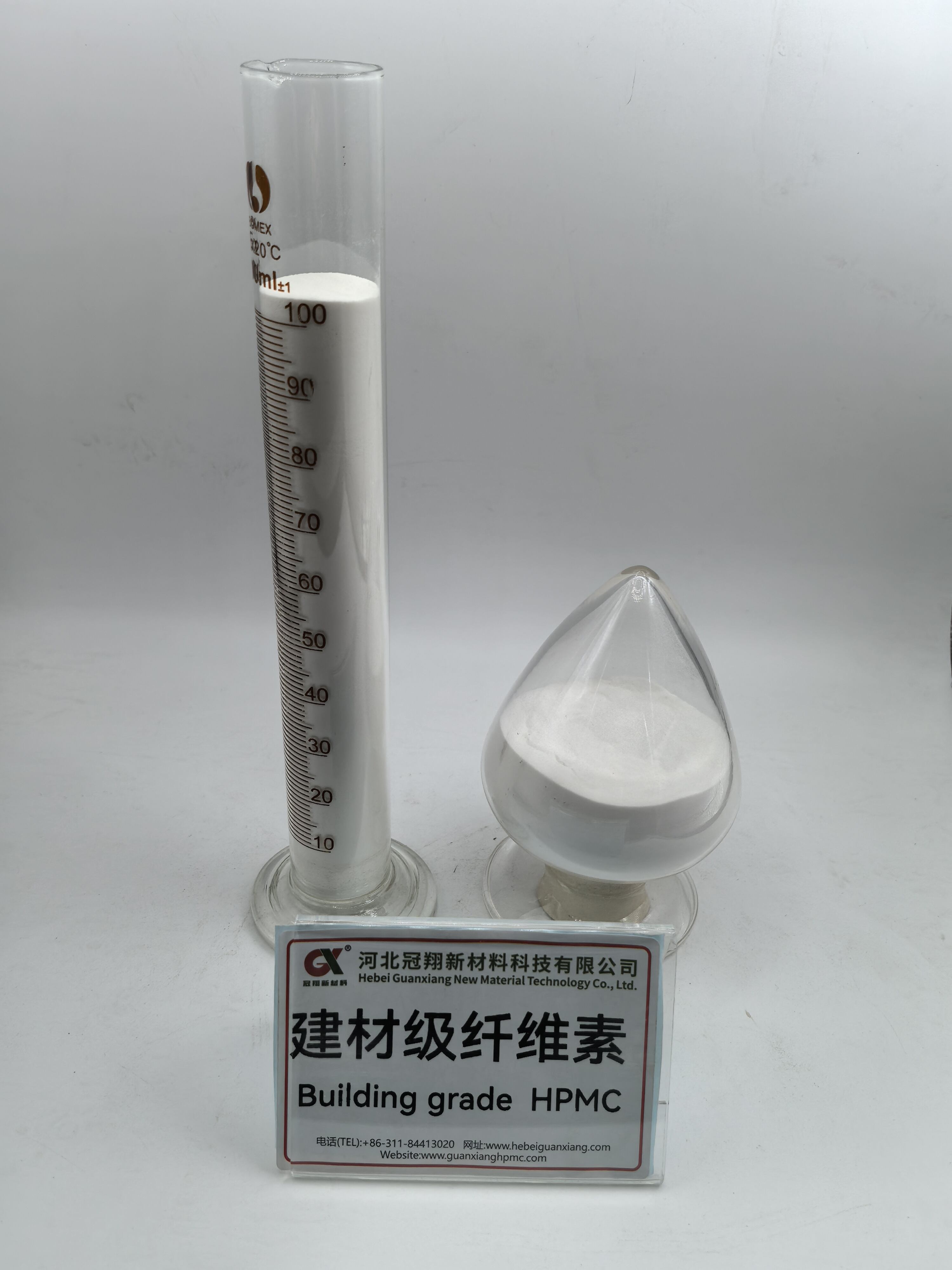
The industrial landscape is rapidly evolving, with emerging sectors demanding specialized materials that can meet increasingly complex performance requirements. As new technologies and applications continue to reshape traditional markets, HPMC manufacturers find themselves at the forefront of innovation, developing hydroxypropyl methylcellulose solutions that address the unique challenges of modern industries. From pharmaceutical advancements to sustainable construction practices, the demand for high-performance cellulose derivatives has never been greater, pushing manufacturers to reimagine their production processes and product portfolios.
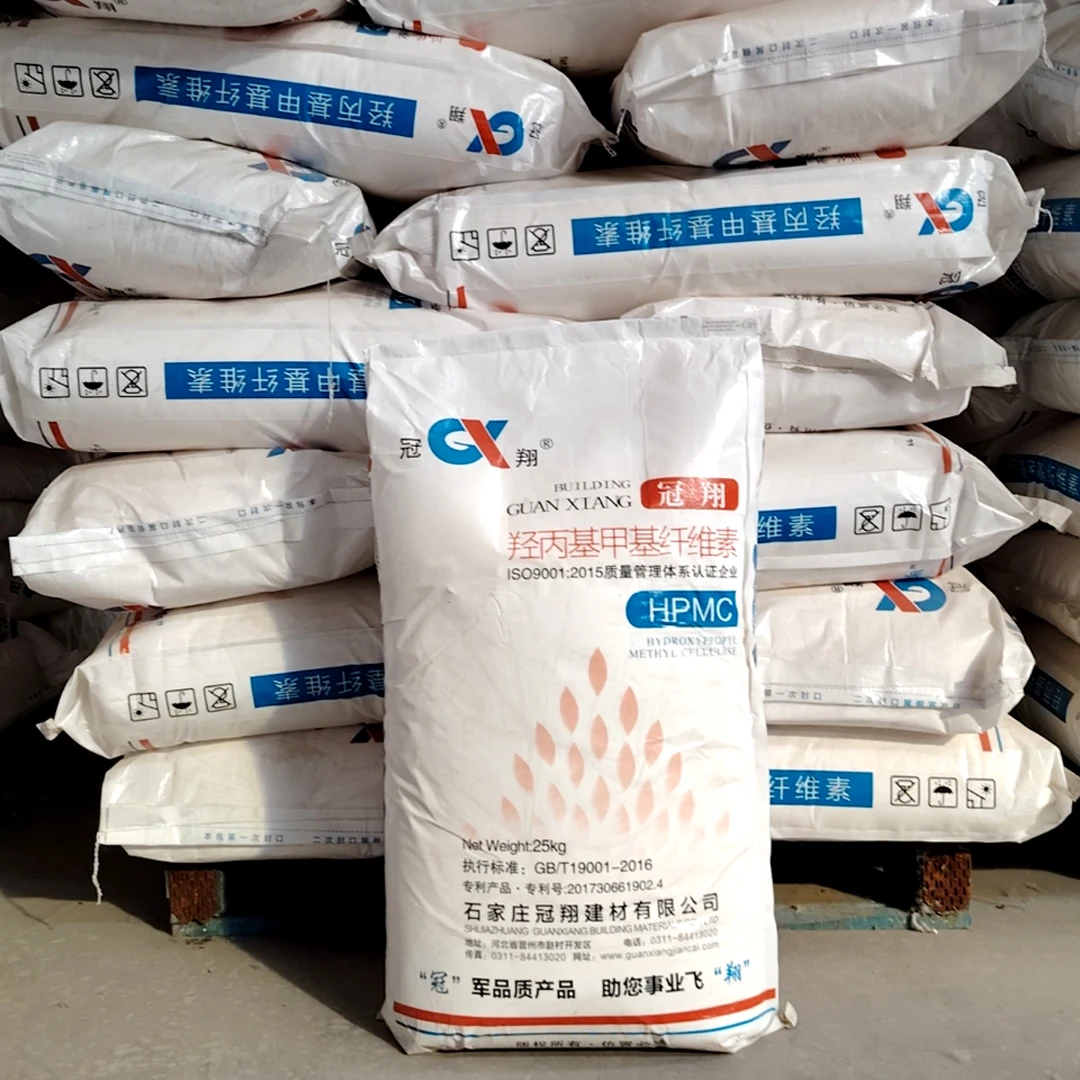
The transformation of global markets presents both unprecedented opportunities and significant challenges for manufacturers specializing in cellulose-based products. Today's HPMC manufacturers must navigate complex regulatory environments while simultaneously developing products that meet the stringent quality standards of industries ranging from biotechnology to renewable energy. This dynamic environment requires a comprehensive approach to innovation that encompasses not only product development but also manufacturing efficiency, sustainability practices, and customer collaboration.
Understanding Market Dynamics and Emerging Industry Requirements
Identifying Growth Sectors and Their Specific Needs
Contemporary HPMC manufacturers face the challenge of identifying and responding to rapidly emerging market segments that require specialized material properties. The pharmaceutical industry continues to drive demand for high-purity grades with precise viscosity characteristics, while the nutraceutical sector seeks products that enhance bioavailability and stability. Advanced manufacturing sectors, including 3D printing and precision electronics, require HPMC variants with unique rheological properties that traditional formulations cannot provide.
The construction industry's shift toward sustainable building materials has created new opportunities for innovative HPMC applications. Green building standards now emphasize materials that contribute to energy efficiency and environmental responsibility, requiring manufacturers to develop products that meet both performance and sustainability criteria. Additionally, the growing emphasis on smart construction materials has led to demand for HPMC formulations that can integrate with digital monitoring systems and adaptive building technologies.
Analyzing Competitive Landscapes and Technology Gaps
Successful HPMC manufacturers recognize that innovation requires a deep understanding of competitive dynamics and existing technology limitations. Market leaders conduct comprehensive analyses of current product offerings to identify gaps where new formulations or processing techniques could provide significant advantages. This analytical approach enables manufacturers to focus their research and development efforts on areas where they can achieve meaningful differentiation and create substantial value for customers in emerging industries.
The competitive landscape analysis also reveals opportunities for strategic partnerships and collaborative innovation initiatives. By understanding the strengths and limitations of competitors, manufacturers can identify potential areas for cooperation that benefit the entire industry while maintaining their competitive advantages in core market segments. This strategic approach helps companies allocate resources more effectively and develop innovation roadmaps that align with long-term market trends.
Advanced Manufacturing Technologies and Process Innovation
Implementing Industry 4.0 Principles in HPMC Production
Modern HPMC manufacturers are increasingly adopting Industry 4.0 technologies to enhance production efficiency and product quality consistency. Advanced process control systems utilize real-time data analytics to optimize reaction conditions, ensuring that each batch meets precise specifications required by demanding applications. These intelligent manufacturing systems enable rapid adjustments to production parameters, allowing manufacturers to produce customized formulations for specific industry requirements without compromising efficiency or quality standards.
The integration of artificial intelligence and machine learning algorithms into production processes represents a significant advancement for forward-thinking manufacturers. These technologies enable predictive maintenance of equipment, optimization of raw material usage, and early detection of potential quality issues before they affect final products. By leveraging these advanced capabilities, HPMC manufacturers can achieve higher levels of consistency and reliability that emerging industries require for their critical applications.
Sustainable Production Methods and Environmental Considerations
Environmental sustainability has become a crucial factor in manufacturing operations, with HPMC manufacturers increasingly focusing on reducing their ecological footprint while maintaining product quality. Advanced production methods now incorporate closed-loop systems that minimize waste generation and maximize resource utilization. These sustainable approaches not only reduce environmental impact but also improve cost-effectiveness, making high-quality HPMC products more accessible to emerging industries with tight budget constraints.
The development of bio-based feedstocks and renewable energy integration in production facilities demonstrates the industry's commitment to environmental responsibility. Progressive HPMC manufacturers are investing in research to develop production processes that utilize agricultural waste materials and renewable cellulose sources, reducing dependence on traditional raw materials while supporting circular economy principles. These initiatives position manufacturers as preferred suppliers for environmentally conscious industries and companies with strict sustainability requirements.
Product Development Strategies for Specialized Applications
Customization Capabilities and Flexible Manufacturing
The ability to develop customized HPMC formulations for specific applications has become a key differentiator among manufacturers serving emerging industries. Flexible manufacturing systems enable rapid prototyping and small-batch production of specialized grades, allowing companies to respond quickly to unique customer requirements. This agility is particularly valuable in fast-moving sectors like biotechnology and advanced materials, where application requirements may evolve rapidly as technologies mature.
Successful customization strategies require close collaboration between HPMC manufacturers and their customers throughout the product development process. By establishing technical partnerships with emerging industry leaders, manufacturers gain valuable insights into future application requirements and can develop products proactively rather than reactively. This collaborative approach often leads to breakthrough innovations that benefit both the manufacturer and their customers while establishing long-term competitive advantages in specialized market segments.
Quality Assurance and Regulatory Compliance
Emerging industries often operate under stringent regulatory frameworks that require exceptional quality assurance capabilities from their suppliers. HPMC manufacturers must implement comprehensive quality management systems that ensure consistent product performance across all production batches. Advanced analytical testing capabilities, including sophisticated instrumentation for molecular characterization and purity analysis, enable manufacturers to meet the rigorous specifications required by pharmaceutical, food, and other highly regulated industries.
Regulatory compliance strategies must be adaptable to accommodate changing requirements as emerging industries mature and establish new standards. Proactive HPMC manufacturers engage with regulatory bodies and industry associations to stay informed about developing guidelines and contribute to the establishment of appropriate standards for new applications. This forward-thinking approach helps ensure that products remain compliant as regulatory frameworks evolve and positions manufacturers as trusted partners for companies operating in highly regulated environments.
Strategic Partnerships and Collaborative Innovation
Building Relationships with Research Institutions
Strategic partnerships with universities and research institutions provide HPMC manufacturers with access to cutting-edge research capabilities and emerging scientific knowledge. These collaborations often lead to breakthrough discoveries that can be translated into innovative commercial products for emerging industries. Academic partnerships also provide manufacturers with opportunities to influence research directions and ensure that academic studies address real-world industrial challenges and application requirements.
Research collaborations enable HPMC manufacturers to leverage specialized expertise and advanced laboratory facilities that might be cost-prohibitive to develop internally. By working with academic researchers, manufacturers can explore fundamental material science questions that could lead to entirely new product categories or application possibilities. These partnerships also provide access to talented researchers who may become valuable employees or long-term collaborators as projects transition from research to commercial development phases.
Industry Consortiums and Technology Sharing
Participation in industry consortiums allows HPMC manufacturers to collaborate on pre-competitive research and development initiatives that benefit the entire industry. These collaborative efforts often focus on fundamental technical challenges or sustainability initiatives that require significant resources and expertise beyond what individual companies can provide. By sharing development costs and risks, consortium members can pursue more ambitious innovation projects and accelerate the pace of technological advancement.
Technology sharing arrangements with complementary companies enable HPMC manufacturers to access specialized capabilities and expand their innovation potential. Strategic alliances with companies in adjacent industries often reveal new application possibilities and provide insights into emerging market requirements. These partnerships can also facilitate entry into new geographic markets or industry segments where local knowledge and established relationships are crucial for success.
Digital Transformation and Customer Engagement
Advanced Analytics and Market Intelligence
Digital transformation initiatives enable HPMC manufacturers to gather and analyze market intelligence more effectively, identifying emerging trends and customer needs before they become widely apparent. Advanced analytics platforms can process vast amounts of data from multiple sources, including customer feedback, market research, patent filings, and regulatory submissions, to identify patterns and opportunities that might otherwise be missed. This enhanced market intelligence capability enables manufacturers to make more informed decisions about product development priorities and resource allocation.
Predictive analytics tools help HPMC manufacturers anticipate future market demands and adjust their innovation strategies accordingly. By analyzing historical trends, customer behavior patterns, and technological developments, manufacturers can identify emerging applications and industry requirements before competitors recognize these opportunities. This proactive approach to market intelligence provides significant advantages in competitive markets where early entry and established customer relationships are crucial for long-term success.
Digital Customer Experience and Technical Support
Modern customer engagement strategies leverage digital technologies to provide enhanced technical support and streamlined communication channels. Advanced HPMC manufacturers implement customer portals that provide real-time access to technical data, application guides, and product specifications, enabling customers to make informed decisions quickly and efficiently. These digital platforms also facilitate collaborative product development by providing secure channels for sharing technical requirements, test results, and application feedback.
Virtual reality and augmented reality technologies are beginning to play important roles in customer education and technical support for HPMC manufacturers. These immersive technologies enable customers to visualize product performance characteristics and understand complex application requirements more effectively than traditional presentation methods. By investing in advanced customer engagement technologies, manufacturers can differentiate themselves from competitors and build stronger relationships with customers in emerging industries.
FAQ
What are the most promising emerging industries for HPMC applications?
The most promising emerging industries for HPMC applications include advanced pharmaceutical delivery systems, sustainable construction materials, 3D printing technologies, and renewable energy storage systems. These sectors demand specialized material properties that innovative HPMC manufacturers can provide through customized formulations and advanced processing techniques. Additionally, the growing biotechnology sector and precision electronics manufacturing present significant opportunities for high-performance HPMC variants with unique rheological and stability characteristics.
How do HPMC manufacturers ensure product quality for demanding applications?
Leading HPMC manufacturers implement comprehensive quality assurance programs that include advanced analytical testing, statistical process control, and rigorous batch documentation procedures. These quality systems utilize sophisticated instrumentation for molecular characterization, purity analysis, and performance testing to ensure consistent product quality across all production runs. Additionally, manufacturers maintain certified quality management systems that comply with international standards and regulatory requirements for industries such as pharmaceuticals and food processing.
What role does sustainability play in HPMC manufacturing innovation?
Sustainability has become a driving force for innovation among progressive HPMC manufacturers, influencing everything from raw material selection to production process design. Manufacturers are developing bio-based feedstocks, implementing closed-loop production systems, and investing in renewable energy integration to reduce environmental impact while maintaining product quality. These sustainability initiatives not only support environmental responsibility but also create competitive advantages in markets where customers prioritize suppliers with strong environmental credentials.
How can smaller HPMC manufacturers compete with larger companies in emerging markets?
Smaller HPMC manufacturers can compete effectively by focusing on specialized applications, providing exceptional customer service, and maintaining flexibility in product development and manufacturing processes. Strategic partnerships with research institutions and technology companies enable smaller manufacturers to access advanced capabilities and expertise that might otherwise be available only to larger competitors. Additionally, smaller companies often have advantages in responsiveness and customization capabilities that are highly valued by emerging industries with rapidly evolving requirements.
Table of Contents
- Understanding Market Dynamics and Emerging Industry Requirements
- Advanced Manufacturing Technologies and Process Innovation
- Product Development Strategies for Specialized Applications
- Strategic Partnerships and Collaborative Innovation
- Digital Transformation and Customer Engagement
-
FAQ
- What are the most promising emerging industries for HPMC applications?
- How do HPMC manufacturers ensure product quality for demanding applications?
- What role does sustainability play in HPMC manufacturing innovation?
- How can smaller HPMC manufacturers compete with larger companies in emerging markets?