 EN
EN
 AR
AR
 CS
CS
 DA
DA
 NL
NL
 FI
FI
 FR
FR
 DE
DE
 EL
EL
 HI
HI
 IT
IT
 JA
JA
 KO
KO
 NO
NO
 PL
PL
 PT
PT
 RO
RO
 RU
RU
 ES
ES
 SV
SV
 IW
IW
 ID
ID
 SR
SR
 SK
SK
 UK
UK
 VI
VI
 HU
HU
 TH
TH
 TR
TR
 AF
AF
 MS
MS
 CY
CY
 IS
IS
 BN
BN
 LO
LO
 LA
LA
 NE
NE
 MY
MY
 KK
KK
 UZ
UZ


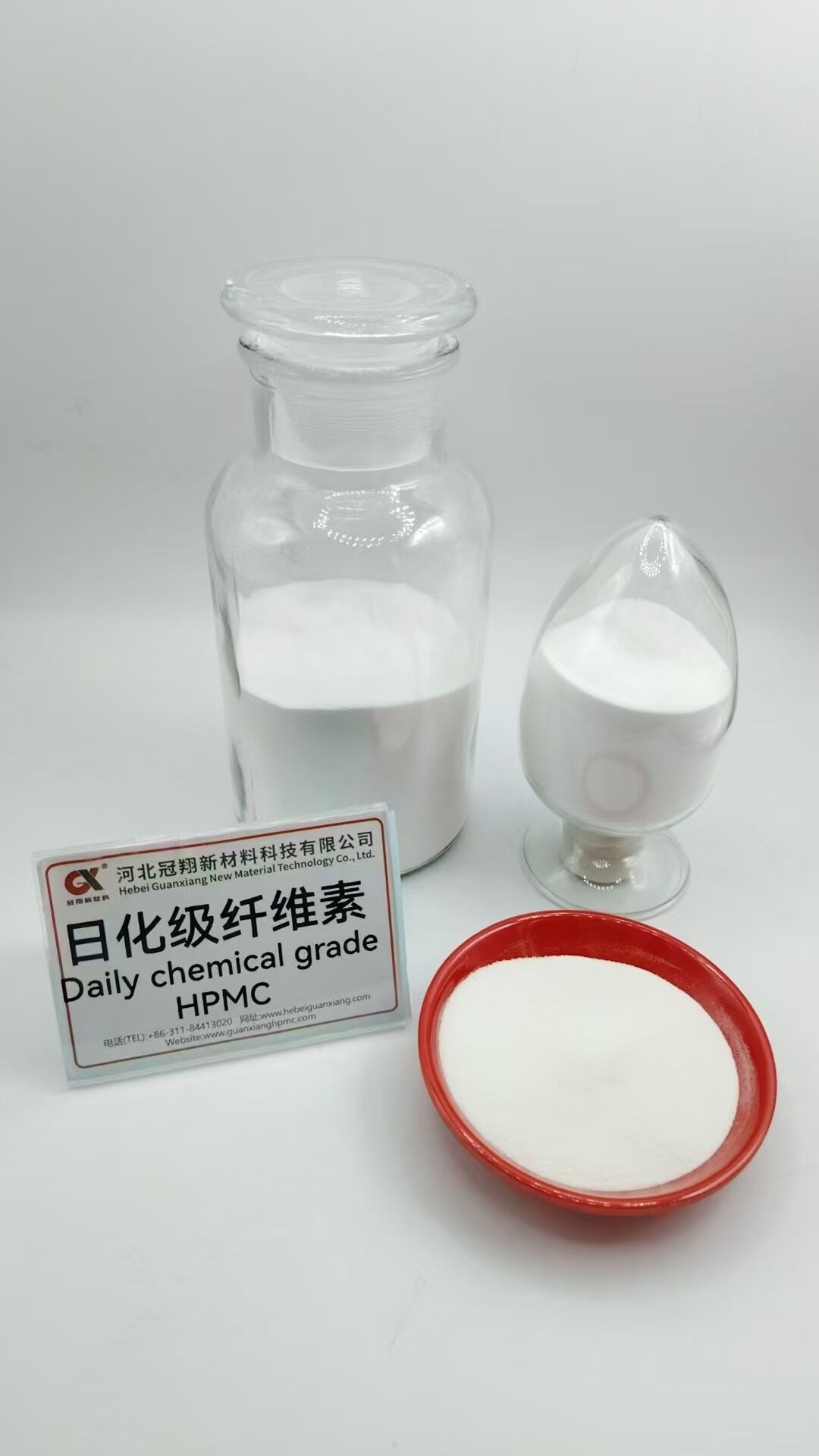
Сучасні будівельні проекти вимагають надійних рішень щодо з’єднання матеріалів, які забезпечують стабільну ефективність у різноманітних застосуваннях. Порошкоподібні клеї на основі ГПМЦ для плитки стали ключовою технологією в галузі клеїв, забезпечуючи високу міцність зчеплення та покращену оброблюваність для професійних майстрів і будівельних бригад. Ці передові формули поєднують унікальні властивості гідроксипропілметилцелюлози з тщательно розробленими добавками, щоб створити клейові системи, які перевершують традиційні стандарти ефективності. Зростаюче використання порошкоподібних клеїв на основі ГПМЦ для плитки відображає приверженість будівельної галузі якості, ефективності та тривалої міцності в проектах укладання плитки.
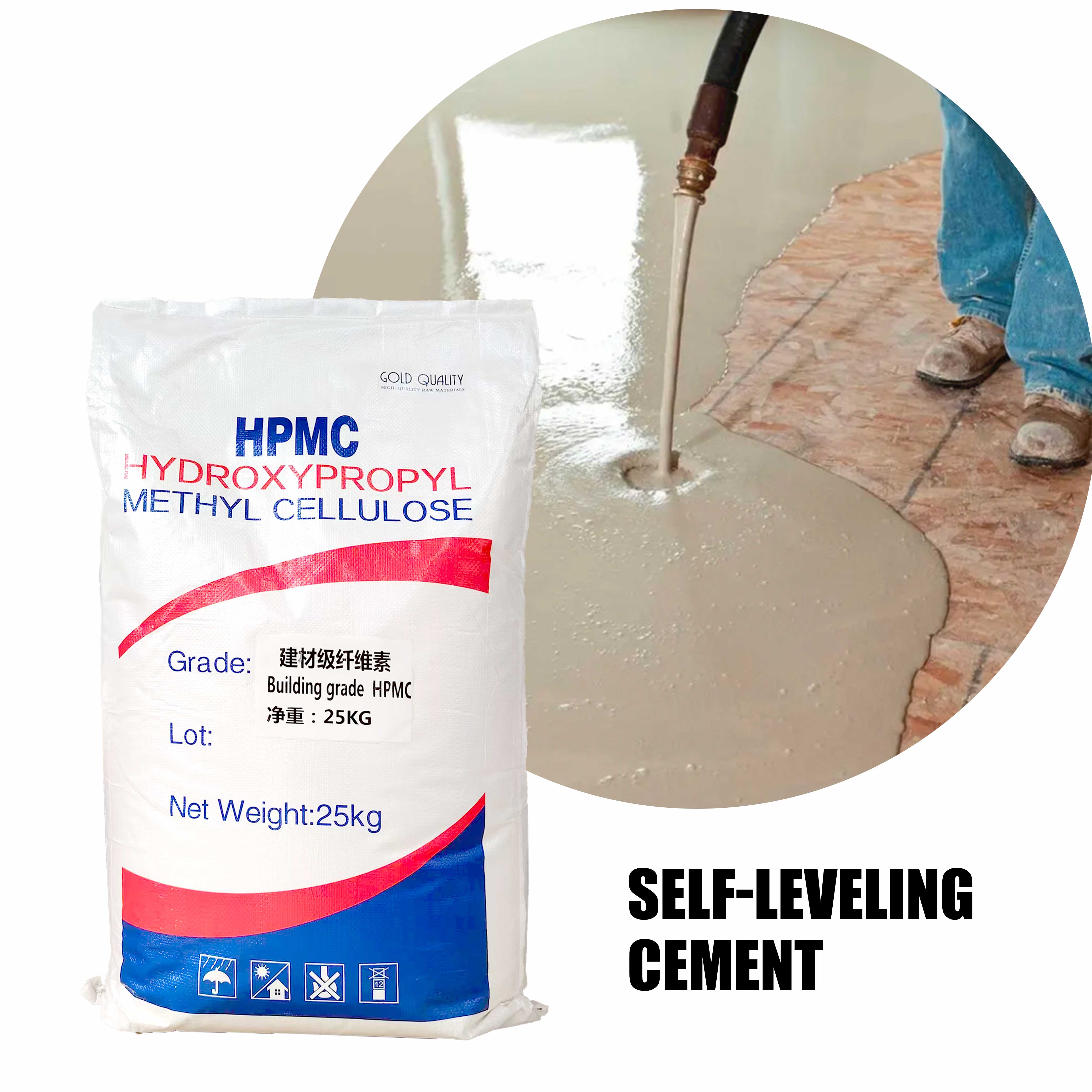
Розуміння наукових основ технології порошкоподібного ГПМЦ
Хімічна будова та механізми зчеплення
Ефективність плиткових клеїв у порошковій формі на основі ГПМЦ пояснюється їхньою унікальною молекулярною структурою, яка дозволяє одночасно діяти кільком механізмам зчеплення. Гідроксипропілметилцелюлоза виступає ключовим зв’язувальним агентом, що формує міцні міжмолекулярні взаємодії як із поверхнею основи, так і з матеріалом плитки. Після змішування з водою ці клеї утворюють складну полімерну матрицю, яка набуває зчіпної міцності завдяки водневим зв’язкам і силам Ван-дер-Ваальса. Такий багаторівневий підхід до зчеплення забезпечує здатність плиткових клеїв у порошковій формі на основі ГПМЦ зберігати свою фіксацію навіть за складних умов навколишнього середовища, зокрема при коливаннях температури та впливі вологи.
Полімерні ланцюги в ГПМЦ утворюють тривимірну сітку, яка інкапсулює частинки цементу та інші добавки, що призводить до покращення механічних властивостей. Ця сіткова структура сприяє високій гнучкості та стійкості до утворення тріщин, що є характерними ознаками високоякісного порошкового клею на основі ГПМЦ для плитки. Контрольований процес гідратації дозволяє досягти оптимального розвитку полімеру, забезпечуючи повне реалізування клейкої здатності адгезиву під час етапу твердіння.
Утримання води та покращення оброблюваності
Одна з найважливіших переваг порошкоподібних клеїв для плитки на основі ГПМЦ полягає в їхніх виняткових здатностях утримувати воду. Компонент гідроксипропілметилцелюлоза виступає як агент, що утримує воду, запобігаючи швидкій втраті вологи під час критичного початкового етапу зчеплення. Це подовжений час роботи дозволяє майстрам точно розміщувати плитку та вносити необхідні коригування, не погіршуючи міцності зчеплення. Контрольований механізм вивільнення води забезпечує оптимальне протікання гідратації цементу, що призводить до сильнішого й довговічнішого зчеплення.
Покращена оброблюваність, забезпечена клейовими сумішами для плитки на основі порошку HPMC, безпосередньо сприяє підвищенню ефективності монтажу та зменшенню відходів матеріалу. Професійні монтажники цінують стабільні характеристики розподілу й тривалий час відкритої поверхні, які забезпечують ці сучасні формули. Гладка, кремоподібна консистенція, досягнута завдяки правильному замішуванню, дозволяє беззусильне нанесення за допомогою стандартних зубчастих шпателів, забезпечуючи рівномірне покриття та оптимальний контакт із основою.
Експлуатаційні переваги у реальних умовах застосування
Висока міцність зчеплення та довговічність
Польові випробування та лабораторні оцінки постійно доводять, що плиткові клеї на основі порошку ГПМЦ забезпечують виняткову міцність зчеплення з широким спектром матеріалів основи. Ці склади чудово підходять для приклеювання керамічної плитки, порцеляни, натурального каменю та спеціальних матеріалів до бетону, цементно-волокнистих плит і інших затверджених основ. Полімерна модифікація, досягнута за рахунок введення ГПМЦ, забезпечує клейові системи, які зберігають цілісність зчеплення навіть за умов термічного циклювання та механічних навантажень.
Дослідження тривалої стійкості показують, що встановлення з використанням якісних порошкових клеїв для плитки на основі ГПМЦ демонструє мінімальні ознаки деградації зчеплення після років експлуатації. Еластичність, надана полімерним компонентом, сприяє компенсації незначних рухів основи без утворення концентрацій напружень, які можуть призвести до втрати зчеплення. Ця стійкість робить порошкові клеї для плитки на основі ГПМЦ особливо придатними для вимогливих застосувань, таких як зовнішні фасади, басейни та комерційні приміщення з високим рівнем прохідності.
Захист і стійкість до середовища
Сучасні будівельні умови створюють численні виклики, які можуть погіршити ефективність клеїв, однак порошкові клеї для плитки на основі ГПМЦ спеціально розроблені для витримування саме таких умов. Полімерна матриця забезпечує відмінну стійкість до циклів замерзання-відтаювання — критичний фактор у регіонах із значними коливаннями температур. Ще однією ключовою перевагою є водостійкість: затверділий клей зберігає свою структурну цілісність навіть за тривалого впливу вологи.
Стійкість до хімічних речовин є все більш важливим критерієм у комерційних і промислових застосуваннях, де засоби для прибирання та технологічні хімікати можуть контактувати з плитковими покриттями. Клею для плиток на основі порошкового hpmc виявляють вищу стійкість до поширених засобів для прибирання, зберігаючи при цьому ефективність зчеплення. Ця хімічна стабільність продовжує термін експлуатації покриттів і з часом зменшує потребу в технічному обслуговуванні.
Методи застосування та найкращі практики
Правильні процедури замішування та підготовки
Для досягнення оптимальних експлуатаційних характеристик клеїв для плитки на основі порошку ГПМЦ необхідно дотримуватися правильних процедур замішування та підготовки матеріалів. Порошок слід поступово додавати до чистої води, одночасно безперервно перемішуючи, щоб запобігти утворенню грудочок або незмішаних частинок. Професійне обладнання для замішування забезпечує повне розподілення компонента ГПМЦ по всьому клейовому матриксу, що забезпечує однорідні властивості всього замісу.
Температурні та вологісні умови під час замішування значно впливають на кінцеві властивості порошкових клеїв для плитки на основі ГПМЦ. Оптимальна температура замішування зазвичай становить 18–24 °C, а відносна вологість повітря нижче 70 % забезпечує найкращі результати. Правильна тривалість замішування — зазвичай 3–5 хвилин безперервного перемішування — дозволяє полімерам ГПМЦ повністю гідратуватися й розвинути свої характерні властивості.
Рекомендації щодо монтажу та контроль якості
Успішне укладання плитки за допомогою порошкових клеїв для плитки на основі ГПМЦ залежить від дотримання затверджених інструкцій щодо застосування та постійного контролю якості протягом усього процесу. Підготовка основи залишається критично важливою, оскільки навіть найкращий клей не зможе компенсувати забруднену чи неправильно підготовлену поверхню. Чиста, структурно міцна основа створює фундамент для досягнення максимальної міцності зчеплення за допомогою порошкових клеїв для плитки на основі ГПМЦ.
Вибір шпателя та техніка його використання суттєво впливають на ефективність плиткових клеїв у порошковій формі на основі ГПМЦ. Розмір і конфігурація зубців мають відповідати розміру плитки та малюнку її зворотного боку, щоб забезпечити достатнє покриття та правильне зчеплення. Регулярний контроль відсотків покриття допомагає підтримувати якість укладання та запобігає можливим відмовам зчеплення. Професійні майстри-укладачі рекомендують періодично перевіряти малюнок перенесення клею протягом усього процесу укладання, щоб переконатися в достатньому контакти клею з поверхнею.
Економічні та оперативні переваги
Економічна вигідність та ефективність використання матеріалів
Виняткові експлуатаційні характеристики плиткових клеїв у порошковій формі на основі ГПМЦ забезпечують значні економічні переваги для будівельних проектів. Подовжений час відкритості зменшує відходи матеріалу, оскільки скорочує необхідність відходження клею, який вичерпав свій робочий термін. Покращена оброблюваність дозволяє прискорити темпи укладання, що зменшує витрати на робочу силу та тривалість проекту при збереженні високих стандартів якості.
Довгострокові вигоди з точки зору вартості стають помітними завдяки зниженим вимогам до технічного обслуговування та заміни. Установки, що використовують високоякісні порошкові клеї для плитки на основі ГМЦЕ, як правило, потребують меншої кількості ремонтів і демонструють меншу деградацію протягом строку експлуатації порівняно з традиційними клейовими системами. Ця міцність перекладається у нижчу вартість циклу життя та підвищену цінність для власників нерухомості й керівників об’єктів.
Забезпечення якості та постійність продуктивності
Стабільність виробництва є характерною рисою професійних порошкових клеїв для плитки на основі ГМЦЕ; суворі процеси контролю якості забезпечують однаковість складу від партії до партії. Така стабільність дозволяє підрядникам і майстрам-укладачам розраховувати на передбачувані характеристики продукту в різних проектах та за різних умов застосування. Стандартизовані формули скорочують криву навчання для бригад з укладання та мінімізують ризик помилок під час застосування.
Програми випробувань на продуктивність та сертифікації забезпечують додаткову гарантію якості продукту та його придатності для конкретних застосувань. Багато порошкоподібних клеїв для плитки на основі ГПМЦ мають галузеві сертифікати та схвалення, що підтверджують їхню ефективність у складних умовах. Ці сертифікати надають проектантам та підрядникам впевненості у виборі продуктів і сприяють забезпеченню відповідності будівельним нормам та галузевим стандартам.
Майбутні розробки та тенденції в індустрії
Інновації в галузі полімерної технології
Постійні наукові дослідження та розробки в галузі полімерної хімії далі розширюють можливості порошкоподібних клеїв для плитки на основі ГПМЦ. Нові підходи до формулювання зосереджені на покращенні певних експлуатаційних характеристик, таких як швидке набуття міцності, подовжений час роботи та підвищена стійкість до впливу навколишнього середовища. Ці інновації задовольняють змінні потреби будівельної галузі, одночасно зберігаючи перевірені переваги, завдяки яким порошкоподібні клеї для плитки на основі ГПМЦ стали улюбленим вибором професійних майстрів.
Інтеграція нанотехнологій є захопливим напрямком у розробці клейових складів, і потенційні застосування в плиткових клеях на основі порошку ГПМЦ демонструють перспективу покращених механізмів зчеплення та підвищеної довговічності. Ці передові формули можуть запропонувати безпрецедентні експлуатаційні можливості, зберігаючи при цьому простоту у використанні та надійність, які є характерними для сучасних плиткових клеїв на основі порошку ГПМЦ.
Тривалість та екологічні аспекти
Екологічна стійкість продовжує впливати на розробку продуктів у будівельній галузі, і плиткові клеї на основі порошку ГПМЦ еволюціонують, щоб відповідати цим вимогам. Зниження викидів летких органічних сполук та покращена вторинна переробка є ключовими напрямками роботи виробників, які розробляють клейові системи нового покоління. Ці екологічні поліпшення поєднуються з експлуатаційними перевагами, завдяки яким плиткові клеї на основі порошку ГПМЦ стали галузевим стандартом.
Енергоефективність у виробничих процесах та зменшення вимог до упаковки сприяють покращенню загального екологічного профілю сучасних порошкових клеїв на основі ГПМЦ для плитки. Ці поліпшення підтримують ініціативи щодо екологічного будівництва, одночасно зберігаючи високі стандарти продуктивності, яких будівельні спеціалісти очікують від преміальних клейових матеріалів.
ЧаП
Що робить порошкові клеї на основі ГПМЦ для плитки відмінними від традиційних цементних клеїв
Порошкові клеї на основі ГПМЦ для плитки містять полімери гідроксипропілметилцелюлози, які значно покращують їхні експлуатаційні характеристики порівняно з традиційними цементними системами. Модифікація полімером забезпечує підвищену гнучкість, стійкість до води та міцність зчеплення, а також подовжує час роботи й поліпшує оброблюваність. Ці покращені властивості забезпечують більш надійну укладку та кращу довготривалу міцність.
Як слід зберігати порошкові клеї на основі ГПМЦ для плитки, щоб зберегти їхню ефективність
Правильне зберігання вимагає тримати порошкоподібні клеї на основі ГПМЦ для плитки в прохолодному, сухому приміщенні, захищеному від вологи та екстремальних температур. Запечатані контейнери слід зберігати поза контактом із підлогою та поза прямими сонячними променями, щоб запобігти деградації полімерних компонентів. За умов правильного зберігання ці клеї зазвичай зберігають свої експлуатаційні характеристики протягом 12–18 місяців з дати виробництва.
Чи можна використовувати порошкоподібні клеї на основі ГПМЦ для плитки як для стін, так і для підлог?
Так, якісні порошкоподібні клеї на основі ГПМЦ розроблені для універсального застосування як при монтажі плитки на стіни, так і на підлоги. Модифікація полімером забезпечує необхідний опір провисанню у вертикальних застосуваннях, одночасно зберігаючи міцність зчеплення, необхідну для монтажу плитки на підлоги. Проте конкретні рекомендації щодо продукту можуть відрізнятися залежно від розміру плитки, типу основи та умов навколишнього середовища.
Які чинники впливають на час твердіння порошкоподібних клеїв на основі ГПМЦ для плитки
Час затвердіння клеїв для плитки на основі порошку HPMC залежить від кількох факторів, у тому числі від температури навколишнього середовища, рівня вологості, пористості основи та товщини шару клею. Вищі температури й нижча вологість, як правило, прискорюють процес затвердіння, тоді як щільні основи й більша товщина нанесення клею можуть подовжити час затвердіння. За звичайних умов типові монтажні роботи дозволяють проводити затирку впродовж 24 годин, але конкретні терміни слід уточнювати в інструкціях виробника для конкретного продукту та умов застосування.
Зміст
- Розуміння наукових основ технології порошкоподібного ГПМЦ
- Експлуатаційні переваги у реальних умовах застосування
- Методи застосування та найкращі практики
- Економічні та оперативні переваги
- Майбутні розробки та тенденції в індустрії
-
ЧаП
- Що робить порошкові клеї на основі ГПМЦ для плитки відмінними від традиційних цементних клеїв
- Як слід зберігати порошкові клеї на основі ГПМЦ для плитки, щоб зберегти їхню ефективність
- Чи можна використовувати порошкоподібні клеї на основі ГПМЦ для плитки як для стін, так і для підлог?
- Які чинники впливають на час твердіння порошкоподібних клеїв на основі ГПМЦ для плитки