 EN
EN
 AR
AR
 CS
CS
 DA
DA
 NL
NL
 FI
FI
 FR
FR
 DE
DE
 EL
EL
 HI
HI
 IT
IT
 JA
JA
 KO
KO
 NO
NO
 PL
PL
 PT
PT
 RO
RO
 RU
RU
 ES
ES
 SV
SV
 IW
IW
 ID
ID
 SR
SR
 SK
SK
 UK
UK
 VI
VI
 HU
HU
 TH
TH
 TR
TR
 AF
AF
 MS
MS
 CY
CY
 IS
IS
 BN
BN
 LO
LO
 LA
LA
 NE
NE
 MY
MY
 KK
KK
 UZ
UZ


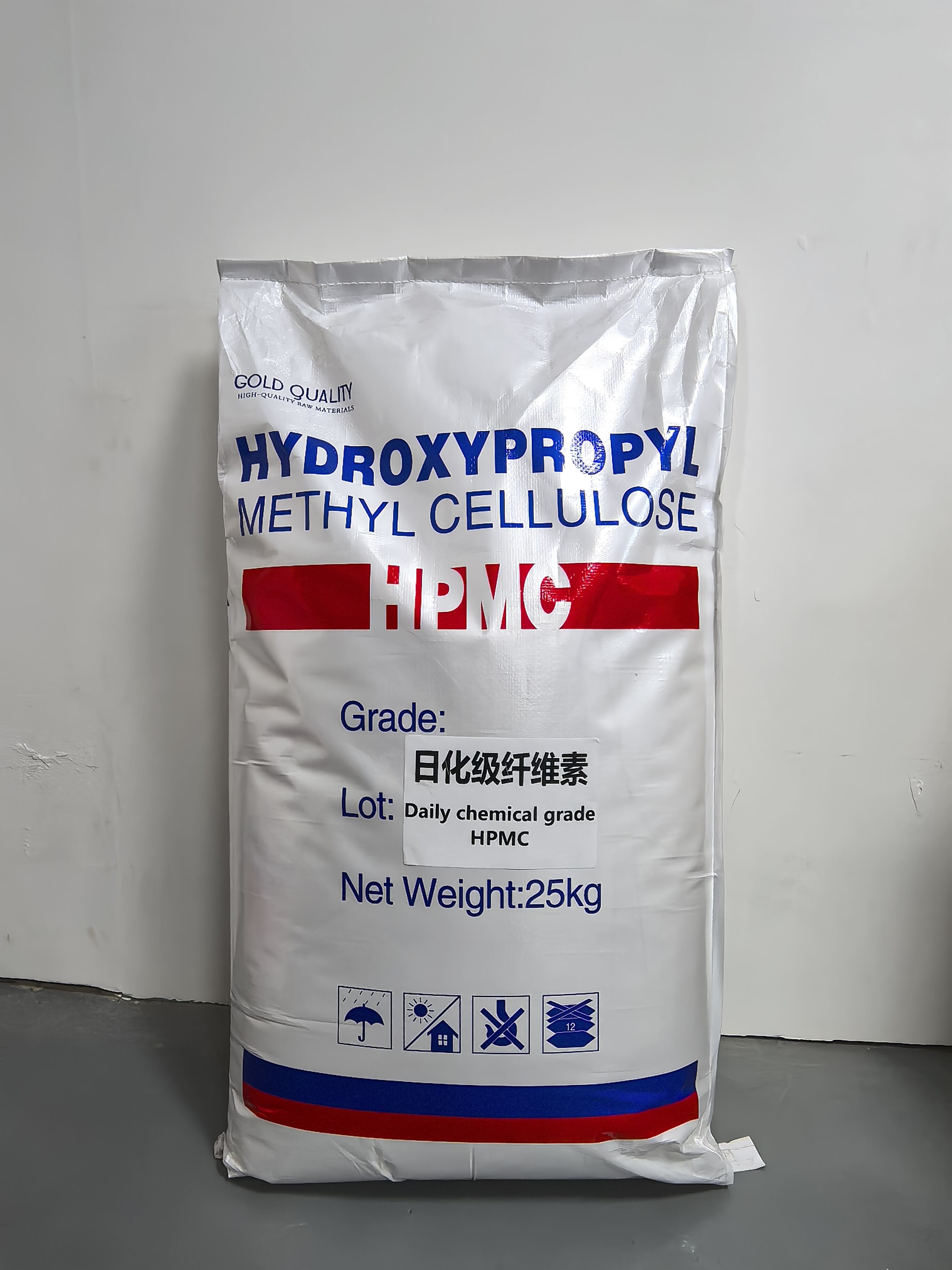
တည်ဆောက်ရေးလုပ်ငန်းတွင် ခြောက်သောမှုန်ရောစပ်မှု (dry mix mortar) အသုံးပျှော်မှုများတွင် စံချိန်စံညွှန်းနှင့်ကိုက်ညီသော စွမ်းဆောင်ရည်များကို အမြဲတမ်းရရှိရေးသည် ထုတ်လုပ်သူများနှင့် စီမံကိန်းအုပ်ချုပ်သူများအတွက် အရေးကြီးသော စိန်ခေါ်မှုတစ်ရပ်ဖြစ်နေပါသည်။ HPMC ဆဲလျူလုးစ်သည် ရေကို အထူးကောင်းစွာ ထိန်းသိမ်းပေးခြင်း၊ အသုံးပျှော်မှုကို မြှင့်တင်ပေးခြင်းနှင့် ကြေးနံရောစပ်မှု (binding) ဂုဏ်သတ္တိများကို ပေးစွမ်းနိုင်ခြင်းတို့ဖြင့် ဤစံချိန်စံညွှန်းနှင့်ကိုက်ညီမှုဆိုင်ရာ စိန်ခေါ်မှုများကို ဖြေရှင်းပေးသည့် အရေးကြီးသော အပိုစွမ်းအားဖြစ်လာခဲ့ပါသည်။ ဤဟိုက်ဒရောက်စီပရောပီလ် မီသ်စဲလျူလုးစ် (hydroxypropyl methyl cellulose) အဆင့်ဆင့်ဖွံ့ဖြိုးမှုသည် တည်ဆောက်ရေးလုပ်သမ်းများအား စီမံကိန်းအမျိုးမျိုး၏ အသုံးပျှော်မှုအခြေအနေများနှင့် သဘောတော်နေရာအခြေအနေများတွင် အရည်အသွေးမြင့်မှုကို အောင်မြင်စွာ ပေးစွမ်းနိုင်ရန် လိုအပ်သော ယုံကြည်စိတ်ချရမှုကို ပေးစွမ်းပေးပါသည်။
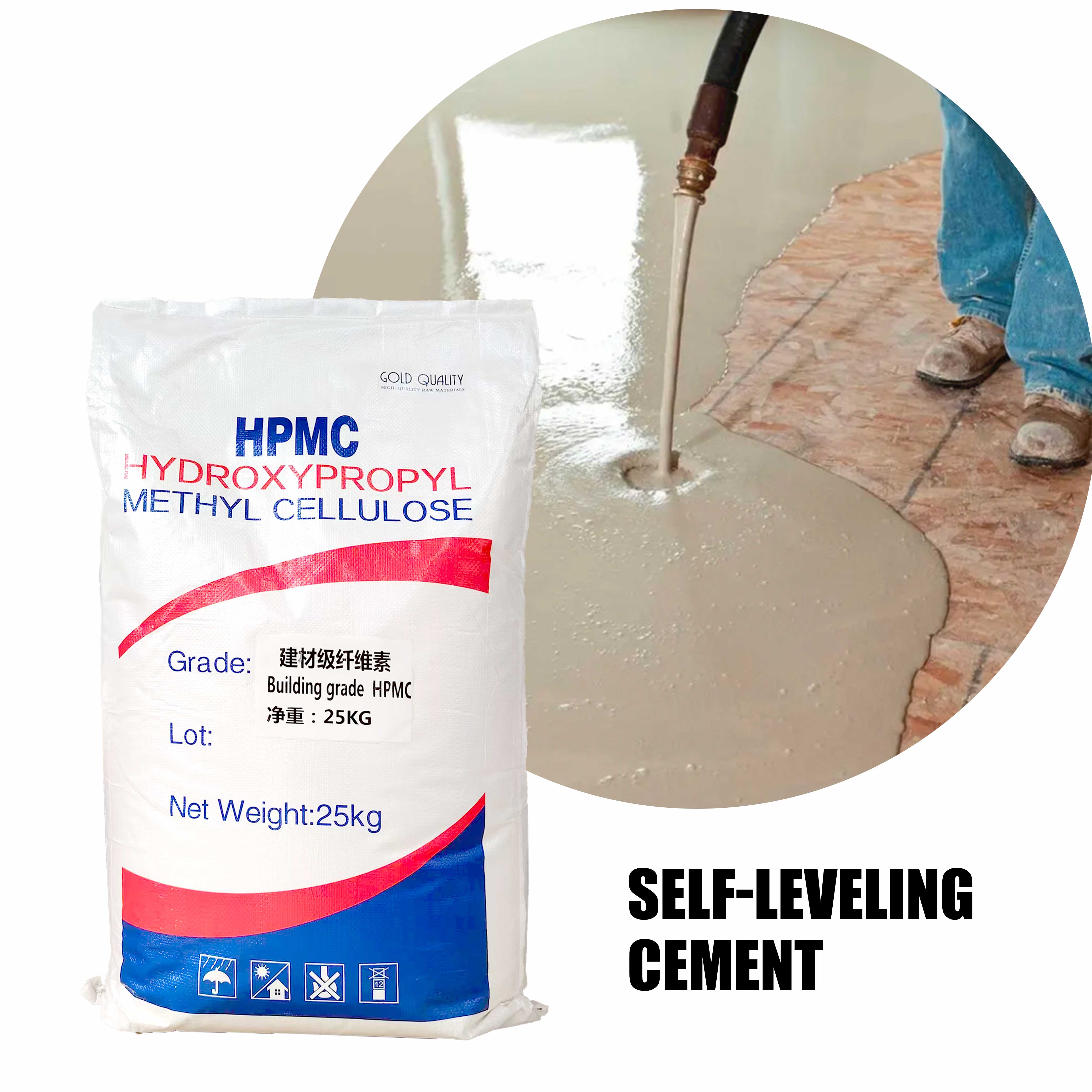
ခေတ်မှီတည်ဆောက်ရေးလုပ်ငန်းတွင် HPMC ဆဲလျူလုးစ်၏ အခန်းကဏ္ဍကို နားလည်ခြင်း
ဓာတုဖွဲ့စည်းပုံများနှင့် စွမ်းဆောင်ရည် အင်္ဂါရပ်များ
HPMC ဆဲလျူလုံးသည် ခြောက်သောမွန်တာများ၏ စွမ်းဆောင်ရည် အထူးသဖြင့် ပိုမိုကောင်းမွန်လာစေရန် စွမ်းရည်များစွာရှိသော ပေါ်လီမာဖြစ်ပါသည်။ ဤဆဲလျူလုံးအီသာ၏ အဏုမောლီကျူလာဖွဲ့စည်းပုံသည် စီမင့်အမှုန်များကို ကာကွယ်ပေးသည့် အက်ဖ်လင်မ်များဖွဲ့စည်းရန် အလွန်သင့်တော်ပါသည်။ ထို့ကြောင့် ပိုမိုတည်ငြိမ်ပြီး စုစည်းမှုကောင်းမွန်သော ရောစပ်မှုကို ဖန်တီးပေးပါသည်။ ဤဓာတုဖော်စပ်မှုသည် ကပ်စ်အားကို ပိုမိုကောင်းမွန်စေခြင်း၊ အမှုန်များ ခွဲထွက်မှုကို လျော့နည်းစေခြင်းနှင့် နောက်ဆုံးအသုံးပြုမှု၏ စုံလင်မှုနှင့် ခံနိုင်ရည်ကို မြှင့်တင်ပေးခြင်းတို့ကို ဖော်ပေးပါသည်။
HPMC ဆဲလျူလုံးတွင် ပါဝင်သော ဟိုက်ဒရောက်ဆီပရောပ်အီလ်နှင့် မီသ်လ်အစွဲများသည် မွန်တာ၏ စွမ်းဆောင်ရည်ကို တည်ငြိမ်စေရန် အလွန်သင့်တော်သော ရေတွင် ပျော်ဝင်နိုင်မှုနှင့် ထူထောင်မှု ဂုဏ်သတ္တိများကို ပေးစေပါသည်။ ဤဓာတုပြောင်းလဲမှုများသည် အပ်ဒေ့ဖ်မှုန်းအား (pH) နှင့် အပူခံနိုင်မှုအခြေအနေများတွင် အပ်ဒေ့ဖ်မှုန်းအား တည်ငြိမ်မှုကို ထိန်းသိမ်းပေးပါသည်။ ထို့ကြောင့် ဖန်တီးထွက်လာသော ပေါ်လီမာကွန်ရက်သည် ရေ၏ လှုပ်ရှားမှုကို ထိန်းသိမ်းပေးပြီး ရောစပ်မှုနှင့် အသုံးပြုမှုလုပ်ငန်းစဉ်အတွင်း တည်ငြိမ်သော အထူးသဖြင့် တစ်သောင်းတည်းသော သဘောသမ်မှုကို ထိန်းသိမ်းပေးပါသည်။
ရေထိန်းသိမ်းမှုနှင့် အလုပ်လုပ်ရေး လွယ်ကူမှု မြင့်တင်ခြင်း
HPMC စဲလျူလို့စ်ကို ခြောက်သွေ့သောမှုရ်တာများတွင် ထည့်သွင်းခြင်း၏ အရေးကြီးဆုံးအကျေးနျူးမှုများထဲမှ တစ်ခုမှာ ၎င်း၏ အထူးသဖြင့် ရေကို ထိန်းသိမ်းနိုင်စွမ်းပင်ဖြစ်သည်။ ဤဂုဏ်သတ္တိသည် အသုံးပြုမှုအတွင်း ရေအား အလေးနက်စွာ ဆုံးရှုံးမှုကို ကာကွယ်ပေးပြီး စီမံကုန်သည်များအား အကောင်းမွန်စွာ တပ်ဆင်ခြင်းနှင့် အဆုံးသတ်ခြင်းအတွက် အချိန်ပိုများစွာ ပေးစေသည်။ အလုပ်လုပ်ရန် အချိန်ကြာမှုသည် ပစ္စည်းများ ဖုန်းစွဲမှုကို လျော့နည်းစေပြီး အထူးသဖြင့် အပူချိန်မြင့်မှု သို့မဟုတ် လေပါးမှုကဲ့သို့သော ပတ်ဝန်းကျင်အခြေအနေများတွင် အသုံးပြုမှု ထိရောက်မှုကို မြင့်တင်ပေးသည်။
HPMC စဲလျူလို့စ်၏ ထူခြင်းအကျေးနျူးမှုသည် အောက်ချို့မှုကို တားဆီးနိုင်စွမ်းကို မြင့်တင်ပေးပြီး ဒေါင်လိုက်မျက်နှာပြင်များနှင့် ကပ်စွဲမှုကို ပိုမိုကောင်းမွန်စေသည်။ ဤအရာသည် အထူးသဖြင့် ဘောင်ဒ်အားကို ဖိအားအောက်တွင် ထိန်းသိမ်းရန် အရေးကြီးသည့် အိမ်သုံးပစ္စည်းများ ကပ်စွဲမှုစနစ်များတွင် အထူးတန်ဖိုးရှိသည်။ အလုပ်လုပ်ရန် ပိုမိုလွယ်ကူခြင်းသည် အသုံးပြုမှုအတွင်း ရုပ်ပိုင်းဆိုင်ရာ အားထုတ်မှုကို လျော့နည်းစေပြီး စီမံကုန်သည်များ၏ ထိရောက်မှုကို စီမံကုန်သည်များ၏ အဆင့်အများများတွင် ပိုမိုတည်ငြိမ်သော ရလဒ်များကို ဖန်တီးပေးသည်။
နည်းပညာဆိုင်ရာ အသုံးပြုမှုများနှင့် စွမ်းဆောင်ရည်အကျေးနျူးမှုများ
အိမ်သုံးပစ္စည်းများ ကပ်စွဲမှုစနစ်များနှင့် ဘောင်ဒ်အား
တိုင်းလ်ကြေးစပ်မှု ဖော်မူလေးရှင်းများတွင် HPMC ဆဲလျူလို့စ်သည် အခြားအမျိုးမျိုးသော အခြေခံမျက်နှာပြင်များနှင့် တိုင်းလ်ပစ္စည်းများအတွက် ယုံကြည်စိတ်ချရသော ကြေးစပ်မှုစွမ်းရည်ကို အာမခံပေးသည့် အရေးကြီးသော အစိတ်အပိုင်းဖြစ်သည်။ ဤပေါ်လီမာသည် အပူချိန်ကြောင့် ဖွဲ့စည်းပုံ ချဲ့ထွင်မှုနှင့် ကျုံ့သွားမှုကို လက်ခံနိုင်သော ပေါ်လီမာအင်တာဖေ့စ်ကို ဖန်တီးပေးပြီး အားကောင်းသော ကြေးစပ်မှုကို ထိန်းသိမ်းပေးသည်။ ဤအရေးကြီးသော ပုံစံပြောင်းလဲနိုင်မှုသည် ဖွဲ့စည်းပုံဆိုင်ရာ ရှုပ်ထွေးမှုများ သို့မဟုတ် ပတ်ဝန်းကျင်ဆိုင်ရာ ဖိအားများကြောင့် ဖြစ်ပေါ်လာသော ကွဲအက်မှုများနှင့် အက်ကွဲမှုများကို ကာကွယ်ပေးသည်။
၎င်း HPMC ဟာ cellulose ဖြစ်သည် ဤအပိုစွမ်းရည်များသည် တိုင်းလ်ကြေးစပ်မှုများ၏ ဖွင့်ထားသည့်အချိန် (open time) ကိုလည်း တိုးတက်စေပါသည်။ ထို့ကြောင့် အလုပ်သမားများသည် ကြေးစပ်မှုပေါ်တွင် အသုံးပြုနိုင်သည့် အချိန်အတိုင်းအတာကို ကျော်လွန်သည့် အချိန်အထိ ပိုမိုကြီးမားသော ဧရိယာများကို အလုပ်လုပ်နိုင်သည်။ ဤဖွင့်ထားသည့်အချိန်ကို တိုးတက်စေခြင်းသည် စီမံကုန်းများ၏ အချိန်ကာလနှင့် စုစုပေါင်းစုစုပေါင်းကုန်ကုန်ကုန်ကုန်ကုန်ကုန်ကုန်ကုန်ကုန်ကုန်ကုန်ကုန်ကုန်ကုန်ကုန်ကုန်ကုန်ကုန်ကုန်ကုန်ကုန်ကုန်ကုန်ကုန်ကုန်ကုန်ကုန်ကုန်ကုန်ကုန်ကုန်ကုန်ကုန်ကုန်ကုန်ကုန်ကုန်ကုန်ကုန်ကုန်ကုန်ကုန်ကုန်ကုန်ကုန်ကုန်ကုန်ကုန်ကုန်ကုန်ကုန်ကုန်ကုန်ကုန်ကုန်ကုန်ကုန်ကုန်ကုန်ကုန်ကုန်ကုန်ကုန်ကုန်ကုန်ကုန်ကုန်ကုန်ကုန်ကုန်ကုန်ကုန်ကုန်ကုန်ကုန်ကုန်ကုန်ကုန်ကုန်ကုန်ကုန်ကုန်ကုန်ကုန်ကုန်ကု......
ရင်ဒါရှင်နှင့် ပလက်စတာရှင်အသုံးပြုမှုများ
အပြင်နှင့်အတွင်းပိုင်း ရင်းဒါးစနစ်များအတွက် HPMC ဆဲလျူလို့စ်သည် အသုံးပြုမှုစွမ်းရည်နှင့် ရေရှည်တည်မြဲမှုကို မြင့်တင်ပေးသည့် အရေးကြီးသော ဂုဏ်သတ္တိများကို ပေးစေသည်။ ဤအဖော်အထောက်သည် မှုရ်တာရောယ်စပ်မှုကို ပိုမိုချောမွေ့စေပြီး သယ်ယူပို့ဆောင်ရေးနှင့် အသုံးပြုမှုအချိန်တွင် အစိတ်အပိုင်းများ ခွဲထွက်သွားမှုကို လျော့နည်းစေသည်။ ဤကောင်းမွန်သော စုစည်းမှုကြောင့် အမျှတသော ဖုံလွှမ်းမှုနှင့် ပိုမိုကောင်းမွန်သော မျက်နှာပြင်အရည်အသွေးကို ရရှိစေပြီး အပိုမှုန်းသော အဆင်သော့အလုပ်များကို လျော့နည်းစေသည်။
HPMC ဆဲလျူလို့စ်၏ ရေထိန်းနိုင်မှုဂုဏ်သတ္တိများသည် စီမင့်၏ ရေဓာတ်စုပ်ယူမှုကို ထိန်းညှိပေးရန် အရေးကြီးသည့် ရင်းဒါးလုပ်ဆောင်မှုများတွင် အထူးအကျေးဇူးပုံဖော်ပေးပါသည်။ အထူးသဖြင့် အစောပိုင်း ကုန်းမှုအဆင့်များအတွင်း ရေပါမှုအဆင်သော့ကို ထိန်းသိမ်းပေးခြင်းဖြင့် HPMC ဆဲလျူလို့စ်သည် ချုံ့မှုကြောင့်ဖြစ်ပေါ်လာသော ကြေ cracks များကို ကာကွယ်ပေးပြီး စီမင့်၏ ရေဓာတ်စုပ်ယူမှုကို အပြည့်အဝ ပြုလုပ်ပေးသည်။ ဤသည်မှုန်း မျက်နှာပြင်၏ မာကြောမှုကို မြင့်တင်ပေးပြီး ရာသီဥတုနှင့် ပတ်ဝန်းကျင်ဆိုင်ရာ ပျက်စီးမှုများကို ခုခံနိုင်မှုကို ပိုမိုကောင်းမွန်စေသည်။
ဖော်မျှလော့စ် စဉ်းစားမှုများနှင့် အကောင်းဆုံးဖော်မျှလော့စ် နည်းဗျူဟာများ
အသုံးပြုမှုနှုန်းများနှင့် စွမ်းရည် အကောင်းဆုံးဖော်မျှလော့စ်
HPMC cellulose ၏ အကောင်းဆုံးအသုံးပြုမှုပမာဏကို သတ်မှတ်ရာတွင် လုပ်ဆောင်ရမည့် အထူးလုပ်ဆောင်ချက်များနှင့် ပတ်ဝန်းကျင်အခြေအနေများကို သေချာစွာ စဉ်းစားရန် လိုအပ်ပါသည်။ ပုံမှန်အားဖြင့် အသုံးပြုမှုပမာဏသည် ဆီမင့်၏ အလေးချိန်အလိုက် ၀.၁% မှ ၀.၅% အထိ ရှိပါသည်။ အလုပ်လုပ်ရန် အချိန်ပိုမိုကြာရှည်စေရန် သို့မဟုတ် ရေကို ပိုမိုကောင်းစွာ ထိန်းသိမ်းနိုင်ရန် လိုအပ်သည့် အသုံးပြုမှုများတွင် ပိုမိုမြင့်မားသော ပမာဏများကို အသုံးပြုပါသည်။ HPMC cellulose ၏ အကောင်းဆုံးပမာဏနှင့် စွမ်းဆောင်ရည် လက္ခဏာများကြားတွင် ရှင်းလင်းသော ဆက်နှုံးမှုရှိပါသည်။ ထိုကြောင့် ဖော်မူလေးတွေသည် အထူးလုပ်ဆောင်ချက်များအတွက် ဂုဏ်သတ္တိများကို အကောင်းဆုံးအောင် ညှိနှိုင်းနိုင်ပါသည်။
အထူးလုပ်ဆောင်ချက်အတွက် ရွေးချယ်ထားသော HPMC cellulose ၏ အထူးသော အမျှင်များ (viscosity grade) သည် ခြောက်သော မှုန်များဖွဲ့စည်းမှု (dry mix mortar) ၏ နောက်ဆုံးစွမ်းဆောင်ရည် လက္ခဏာများကို အရေးကြီးစွာ သက်ရောက်မှုရှိပါသည်။ အထူးသော အမျှင်များ (viscosity grade) များသည် ပိုမိုကောင်းမွန်သော ထူခြင်းအကျိုးသက်ရောက်မှုနှင့် ပိုမိုကောင်းမွန်သော စိုက်ထားမှုကို ခံနိုင်ရည်ရှိမှု (sag resistance) ကို ပေးစေပါသည်။ အနောက်တွင် အထူးသော အမျှင်များ (viscosity grade) နျားသည် အလုပ်လုပ်ရန် ပိုမိုလွယ်ကူစေပါသည်။ ထိုဆက်နှုံးမှုများကို နားလည်ခြင်းဖြင့် ထုတ်လုပ်သူများသည် အထူးဈေးကွက်လိုအပ်ချက်များနှင့် အသုံးပြုမှုနည်းလမ်းများအတွက် ဖော်မူလေးများကို အကောင်းဆုံးအောင် ပြုလုပ်နိုင်ပါသည်။
အခြားသော ပေါင်းစပ်ပစ္စည်းများနှင့် ပေါင်းစပ်နိုင်မှု
HPMC cellulose သည် redispersible polymer powders၊ defoamers နှင့် setting retarders အစရှိသည့် မူလတန်ဖိုးထောက်ပံ့ရေးမှုများနှင့် အလွန်ကောင်းမွန်စွာ ကြီးမားသော ချိန်ညှိမှုရှိပါသည်။ ဤချိန်ညှိမှုကြောင့် ဖော်မျှုလေးများသည် စွမ်းဆောင်ရည်လိုအပ်ချက်များစုံကို တစ်ပါတည်း ဖြေရှင်းပေးနိုင်သည့် စုစုပေါင်းထောက်ပံ့ရေးစနစ်များကို ဖန်တီးနိုင်ပါသည်။ HPMC cellulose နှင့် အခြားထောက်ပံ့ရေးများကြား ပေါင်းစပ်မှု (synergistic effects) သည် တစ်ခုချင်းစီ၏ အထိရောက်မှုများ၏ စုစုပေါင်းထက် ပိုမိုကောင်းမွန်သော စုစုပေါင်းစွမ်းဆောင်ရည်ကို ဖန်တီးပေးနိုင်ပါသည်။
HPMC cellulose ကို polymer powders နှင့် ပေါင်းစပ်သည့်အခါ ဖော်မျှုလေးများသည် ထောက်ပံ့ရေးများအနက် တစ်ခုချင်းစီကိုသာ အသုံးပြုသည့် စနစ်များထက် ပိုမိုကောင်းမွန်သော ပုံသေးမှုနှင့် ကပ်နှက်မှုဂုဏ်သတ္တိများကို ပေးစေပါသည်။ ဤပေါင်းစပ်မှုသည် အပိုင်းအများဆုံး အပြင်ဘက်အသုံးပျော်များတွင် အထူးအရေးပါပါသည်။ ထိုနေရာများတွင် အပိုင်းအများဆုံး အပူချိန်ပြောင်းလဲမှုများနှင့် စိုစွတ်မှုများကြောင့် mortar system အပေါ် အလွန်ကြီးမားသော ဖိအားများ ဖော်ပေးပါသည်။ ထောက်ပံ့ရေးများကို သေချာစွာ ရွေးချယ်ခြင်းနှင့် အချိုးကျစွာ ရေးသွဲ့ခြင်းဖြင့် စွမ်းဆောင်ရည်အကောင်းဆုံးဖော်မျှုလေးများကို ဖန်တီးနိုင်ပါသည်။ ထို့အပေါ် စုစုပေါင်းစုတ်ကုန်စရိတ်ကိုလည်း ထိန်းသိမ်းထားနိုင်ပါသည်။
အရည်အချင်းချိန်နှင့် စစ်ဆေးခြင်းလုပ်ငန်း
လက်တွေ့စမ်းသပ်မှုနည်းလမ်းများ
HPMC ဆဲလျူလို့စ်ပြောင်းလဲထားသော မွေးတာများအတွက် အရည်အသွေးထိန်းချုပ်မှု လုပ်ထုံးလုပ်နည်းများကို စနစ်ကျစွာ သတ်မှတ်ရန်အတွက် မွေးတာ၏ အသစ်ဖြစ်ခြင်းနှင့် ခိုင်မာလာခြင်း ဂုဏ်သတ္တိများကို အကဲဖြတ်ရန် စမ်းသပ်မှုများကို စနစ်တကျ ဆောင်ရွက်ရန် လိုအပ်ပါသည်။ ရေထိန်းနိုင်မှု၊ အသုံးပြုနိုင်သော အချိန် (open time) နှင့် ကပ်စေ့မှု အား (bond strength) တို့အတွက် စံနှုန်းသတ်မှတ်ထားသော စမ်းသပ်မှုနည်းလမ်းများသည် ဖော်မျှလုပ်ခြင်း၏ အကောင်အထည်ဖော်မှု အောင်မှုကို အတည်ပြုရန်အတွက် အရည်အသွေးအား အရေအတွက်ဖြင့် တိုင်းတာပေးသည့် စံနှုန်းများဖြစ်ပါသည်။ ဤစမ်းသပ်မှုများကို လက်တွေ့အသုံးပြုမှု ပတ်ဝန်းကျင်များကို အတိအကျ အတုအယောင်လုပ်ထားသော ထိန်းချုပ်ထားသော အခြေအနေများအောက်တွင် ဆောင်ရွက်ရပါမည်။
HPMC ဆဲလျူလို့စ်ပြောင်းလဲထားသော မွေးတာများ၏ ရီယိုလောဂီ ဂုဏ်သတ္တိများကို လှည့်ပေးသော ဗစ်ကိုမီတာ (rotational viscometry) ကို အသုံးပြု၍ မွေးတာ၏ သဘောသမ်မှု (consistency) နှင့် အသုံးပြုနိုင်မှု (workability) ဂုဏ်သတ္တိများကို အကဲဖြတ်နိုင်ပါသည်။ ဤတိုင်းတာမှုများသည် မွေးတာကို ရောစပ်ခြင်းနှင့် အသုံးပြုခြင်း လုပ်ငန်းစဉ်အတွင်း မွေးတာ၏ အပြုအမှုအား နှင့်ပတ်သက်၍ အသုံးဝင်သော အချက်အလက်များကို ပေးစေပါသည်။ ထို့ကြောင့် ထုတ်လုပ်သူများသည် လုပ်ငန်းစဉ်အတွင်း အသုံးပြုမှု အချက်များကို အကောင်အထည်ဖော်ရန် အကောင်အထည်ဖော်နိုင်ပါသည်။ ထို့အပြင် ထုတ်ကုန်၏ အရည်အသွေး စံနှုန်းများကို အမြဲတမ်း ထိန်းသိမ်းနိုင်ပါသည်။ ဤဂုဏ်သတ္တိများကို ပုံမှန်စောင်းကြည့်ခြင်းဖြင့် မွေးတာ၏ လက်တွေ့အသုံးပြုမှု အောင်မှုကို ထိခိုက်စေမည့် ပြဿနာများကို အချိန်မီ ဖမ်းမိနိုင်ပါသည်။
ကွင်းဆင်းစွမ်းဆောင်ရည်အတည်ပြုခြင်း
HPMC စဲလျူလို့စ်ပြောင်းလဲထားသော မှုတ်ကြွမ်းမှုများ၏ အလုပ်ခွင်တွင် စမ်းသပ်မှုများသည် လက်မှုခွင်စမ်းသပ်မှုများ၏ ရလဒ်များကို အတည်ပြုရန် အရေးကြီးပြီး အမှန်တကယ်သော အဆောက်အဦးဆောက်လုပ်ရေးအခြေအနေများအောက်တွင် စွမ်းဆောင်ရည်ကို အတည်ပြုပေးပါသည်။ ဤအကဲဖြတ်မှုများတွင် အလုပ်လုပ်နိုင်မှု၊ ကပ်နိုင်မှုစွမ်းရည်နှင့် သဘောတော်များစွာနှင့် အုပ်နေ့စားမှုအများအပြားပေါ်တွင် ရှည်လျော်စွာသော ခံနိုင်ရည်ရှိမှုကို အကဲဖြတ်ရန် လိုအပ်ပါသည်။ အလုပ်ခွင်တွင် စွမ်းဆောင်ရည်ဆိုင်ရာ အချက်အလက်များကို မှတ်တမ်းတင်ခြင်းဖြင့် အထောက်အကူပေးသော စနစ်အပေါ် ယုံကြည်မှုကို တည်ဆောက်ပေးပြီး စျေးကွက်ရှာဖွေရေးလုပ်ဆောက်မှုများကို ပံ့ပိုးပေးပါသည်။
HPMC စဲလျူလို့စ်၏ စွမ်းဆောင်ရည်သည် အများအပြားသော အမှုန်အမှုန်နှင့် ပေးသွင်းသူများအကြား တူညီမှုရှိမှုကို အလုပ်ခွင်အသုံးပြုမှုများအားဖြင့် အဆက်မပုတ် စောင်းကြောင်းနှင့် အတည်ပြုမှုများ လုပ်ဆောင်ရန် လိုအပ်ပါသည်။ စွမ်းဆောင်ရည်အတည်တက်မှုကို သေချာစေရန် အရည်အသွေး စံချိန်များကို တည်ငြိမ်စွာထိန်းသိမ်းနေသော ယုံကြည်စိတ်ချရသော ပေးသွင်းသူများနှင့် ပူးပေါင်းမှုများ တည်ဆောက်ရန် အရေးကြီးပါသည်။ ပေးသွင်းသူများ၏ စစ်ဆေးမှုများနှင့် ဝယ်ယူလာသော ပစ္စည်းများကို စစ်ဆေးမှုများကို ပုံမှန်လုပ်ဆောင်ခြင်းဖြင့် အရည်အသွေးစံချိန်များကို ထိန်းသိမ်းပေးပြီး စွမ်းဆောင်ရည်တွင် ကွဲလွဲမှုများ ဖြစ်ပေါ်ခြင်းကို ကာကွယ်ပေးပါသည်။
ပတ်ဝန်းကျင်ဆိုင်ရာ စဉ်းစားမှုများနှင့် တည်တံ့ခိုင်မြဲရေး
ပတ်ဝန်းကျင်အပေါ် သက်ရောက်မှုနှင့် စိမ်းလန်းသော အဆောက်အဦးဆောက်လုပ်ရေးစံချိန်များ
HPMC cellulose သည် ခေတ်မီ စွမ်းအားသုံးနေရာများ၏ ရေရှည်တည်တံ့မှု ရည်မှန်းချက်များနှင့် စွမ်းအားသုံး အဆောက်အဦများ၏ စံနှုန်းများနှင့် ကိုက်ညီသည့် ပတ်ဝန်းကျင်အကျိုးကျေးနှုံးများကို ပေးစွမ်းနိုင်ပါသည်။ အပင်များမှ ရရှိသည့် ပြန်လည်ဖော်ထုတ်နိုင်သည့် အရင်းအမြစ်များမှ ထုတ်လုပ်သည့် cellulose အခြေပြု polymer ဖြစ်သည့် HPMC cellulose သည် စံနှုန်းများနှင့် မက်ခ်ရှင်န် အစားထိုးများနှင့် နှိုင်းယှဉ်ပါက ပတ်ဝန်းကျင်အပေါ် လျော့နည်းသည့် အကျိုးသက်ရောက်မှုကို ဖော်ပေးနိုင်ပါသည်။ ဤအပိုစွမ်းကြောင်းသည် ဇီဝအားဖြင့် ပျော်ဝင်နိုင်သည့် သဘောသမ်ဗောဓိဖြစ်သည့်အတွက် ရေရှည်တွင် ပတ်ဝန်းကျင်အပေါ် အနည်းငယ်သာ အကျိုးသက်ရောက်မှုရှိပါသည်။ ထို့ပြင besides အရေးကြီးသည့် စွမ်းဆောင်ရည်အကျိုးကျေးနှုံးများကိုလည်း ပေးစွမ်းနိုင်ပါသည်။
HPMC cellulose ဖြင့် ပြုပြင်ထားသည့် mortar များ၏ ပိုမိုကောင်းမွန်သည့် ခံနိုင်ရည်နှင့် ထိန်းသိမ်းရန် လိုအပ်သည့် အလုပ်အကျွေးများ လျော့နည်းခြင်းသည် အဆောက်အဦများ တည်ဆောက်ရေးလုပ်ငန်းများ၏ စုစုပေါင်း ရေရှည်တည်တံ့မှုကို အထောက်အကူပေးပါသည်။ အသုံးပြုနိုင်သည့် ကာလကို ရှည်လျော်စေခြင်းနှင့် ပြုပြင်မှုများနှင့် အစားထိုးမှုများ လိုအပ်မှုကို လျော့နည်းစေခြင်းဖြင့် အဆောက်အဦများ၏ အသက်တမ်းတစ်လျှောက် အရင်းအမြစ်များ သုံးစွဲမှုနှင့် စွန်းထွက်မှုများကို အနည်းဆုံးဖြစ်အောင် လုပ်ဆောင်ပေးနိုင်ပါသည်။ ဤသို့သည့် ရေရှည်တည်တံ့မှု အခြေခံများနှင့် ကိုက်ညီမှုသည် စွမ်းအားသုံး အဆောက်အဦများ အတိုင်းအတာများ အတည်ပြုခြင်း အစီအစဥ်များနှင့် ပတ်ဝန်းကျင်ဆိုင်ရာ စံနှုန်းများကို လိုက်နာရေးကို အထောက်အကူပေးပါသည်။
စွန်းထွက်မှု လျော့နည်းခြင်းနှင့် အသုံးပြုမှု ထိရောက်မှု
HPMC cellulose မှ ရရှိသည့် အလုပ်လုပ်ရန် အချိန်ပိုမိုကြာမှုနှင့် အလုပ်လုပ်ရန် ပိုမိုကောင်းမွန်သည့် စွမ်းရည်တို့ကြောင့် တည်ဆောက်ရေးလုပ်ငန်းများတွင် ပစ္စည်းများ အကုန်ဖြုန်းမှု လျော့နည်းစေပါသည်။ လုပ်သမ်းများသည် ပိုမိုကောင်းမွန်သည့် ဖုံးလွှမ်းမှုနှင့် ပိုမိုထိရောက်သည့် အသုံးပြုမှုနည်းလမ်းများကို ရရှိနိုင်ပါသည်။ ထို့ကြောင့် ပစ္စည်းအသုံးပြုမှု လျော့နည်းခြင်းနှင့် စွန်းထုတ်မှုစရိတ် လျော့နည်းခြင်းတို့ ဖြစ်ပေါ်လာပါသည်။ ဤထိရောက်မှုတိုးတက်မှုသည် တည်ဆောက်ရေးလုပ်ငန်းများအတွက် ပတ်ဝန်းကျင်ဆိုင်ရာ အကျိုးကျေးနဲ့များနှင့် စီးပွားရေးအကျိုးကျေးနဲ့များကို တစ်ပါတည်း ဖော်ဆောင်ပေးပါသည်။
HPMC cellulose ဖြင့် ပြောင်းလဲထားသည့် မှုန်များ၏ စံချိန်စံညွှန်းနှင့် ကိုက်ညီသည့် လုပ်ဆောင်ချက်များကြောင့် အသုံးပြုမှုအမှားများနှင့် ပြန်လည်လုပ်ဆောင်ရန် လိုအပ်မှုများ လျော့နည်းစေပါသည်။ ဤယုံကြည်စိတ်ချရမှုသည် ပစ္စည်းများ အကုန်ဖြုန်းမှုကို အနည်းဆုံးသို့ လျော့နည်းစေပါသည်။ ထို့အတူ ပြင်ဆင်ရေးလုပ်ငန်းများနှင့် ပစ္စည်းအသစ်များ အစားထိုးခြင်းတွင် ဖြစ်ပေါ်လာသည့် ပတ်ဝန်းကျင်ဆိုင်ရာ အကျိုးသက်ရောက်မှုများကိုလည်း လျော့နည်းစေပါသည်။ မှန်ကန်စွာ ခန့်မှန်းနိုင်သည့် လုပ်ဆောင်ချက်များသည် ပရောဂျက်အစီအစဥ်ရေးဆွဲမှုနှင့် အရင်းအမြစ်များ ခန့်မှန်းမှုကို ပိုမိုကောင်းမွန်စေပါသည်။ ထို့ကြောင့် စွမ်းအင်ခွဲခြမ်းစိတ်ဖြာမှုနှင့် ရေရှည်တည်တံ့သည့် ဖွံ့ဖြိုးမှုဆိုင်ရာ ရည်မှန်းချက်များကို ပိုမိုထောက်ပံ့ပေးပါသည်။
မေးလေ့ရှိသောမေးခွန်းများ
ခြောက်သော မှုန်များတွင် HPMC cellulose ၏ ပုံမှန်သိုလှောင်နိုင်သည့် ကာလမှာ အများအားဖြင့် မည်မျှရှိပါသနည်း။
HPMC cellulose သည် ခြောက်သောအခြေအနေတွင် ၂၅°C အောက်တွင် သိမ်းဆောင်ထားပါက သိမ်းဆောင်ရာတွင် သင့်လျော်စွာ ခြောက်သော မှုရ်ထားသည့် မော်တာများတွင် ၁၂ လမှ ၂၄ လအထိ ၎င်း၏ အကောင်အကျောက်ဖော်မှုကို ထိန်းသိမ်းနိုင်ပါသည်။ ထိုစိုထုံးအဆင်သင်းမှုနှင့် ထုပ်ပိုးမှုအရည်အသွေးပေါ်တွင် စိုထုံးစုပ်ယူမှုကို ကာကွယ်ရာတွင် ပိုမိုကောင်းမွန်သော ကာကွယ်မှုပေးသည့် ပိတ်ထားသည့် အိုအိုင်အိုများသည် စိုထုံးစုပ်ယူမှုကို ကာကွယ်ရာတွင် ပိုမိုကောင်းမွန်သည့် ကာကွယ်မှုပေးပါသည်။
မော်တာများတွင် HPMC cellulose ၏ အကောင်အကျောက်ဖော်မှုကို အပူခါးမှုသည် မည်သို့လွှမ်းမိုးသနည်း။
အပူခါးမှုသည် HPMC cellulose ၏ အပြုအမှုကို အများကြီး လွှမ်းမိုးပါသည်။ အပူခါးမှုများလာပါက ရေကို ထိန်းသိမ်းထားနိုင်မှုကို လျော့နည်းစေပြီး အလုပ်လုပ်ရန် အချိန်ကို တိုတောင်းစေပါသည်။ အအေးခါးမှုများသည် အရည်ပျော်မှုကို နှေးကွေးစေပြီး အစပိုင်းတွင် ထူထောင်မှုအားကို လျော့နည်းစေပါသည်။ အများအားဖြင့် အသုံးပြုရာတွင် ၅°C မှ ၃၅°C အထိ အပူခါးမှုအတွက် ပုံစံထုတ်မှုများကို အကောင်အကျောက်ဖော်မှုကို တည်ငြိမ်စေရန် အကောင်အကျောက်ဖော်မှုကို အကောင်အကျောက်ဖော်မှုအတွက် ပုံစံထုတ်ထားပါသည်။
HPMC cellulose ကို အမြန်ခဲသည့် မော်တာအသုံးပြုမှုများတွင် အသုံးပြုနိုင်ပါသည်။
HPMC cellulose သည် မြန်မြန်ခဲသည့် စနစ်များနှင့် ကောင်းစွာအလုပ်လုပ်နိုင်သော်လည်း အလွန်အကျွံ ခဲခြင်းကို ရှောင်ရှားရန် အသုံးပြုမှုပမာဏကို သေချာစွာ ညှိပေးရန် လိုအပ်ပါသည်။ ပမာဏနည်းသည့် အသုံးပြုမှု သို့မဟုတ် မြန်မြန်ခဲသည့် အသုံးပြုမှုများအတွက် အထူးရေးထားသည့် HPMC အမျိုးအစားများကို အသုံးပြုခြင်းဖြင့် ရေထိန်းမှုနှင့် လုပ်ဆောင်ရန် လွယ်ကူမှုတို့ကို အကောင်းဆုံး ပေးစွမ်းနိုင်ရန်အတွက် လိုချင်သည့် ခဲခြင်းအချိန်ကို ထိန်းသိမ်းပေးနိုင်ပါသည်။
HPMC cellulose ပေးသွင်းသူများကို ရွေးချယ်ရာတွင် စဥ်ဆက်မပေါင်း အရည်အသွေးစံနှုန်းများကို မည်သည့်အရာများ ထည့်သွင်းစဉ်းစားရမည်နည်း။
အရည်အသွေးအရေးကြီးသည့် အချက်များတွင် အမျှတသည့် အထူသည် အဆင့်များ၊ အသုံးပြုရန် သင့်လျော်သည့် သန့်စင်မှုအဆင့် ၉၈% အထက်၊ စိုထိုင်းဆ ၅% အောက်ဖြင့် ထိန်းသိမ်းထားခြင်းနှင့် အမျှတသည့် အမှုန်အရွယ်အစား ဖြန့်ဖြူးမှုတို့ ပါဝင်ပါသည်။ ပေးသွင်းသူများသည် ISO အထောက်အထား ရှိရန် လိုအပ်ပြီး နည်းပညာဆိုင်ရာ အထောက်အပံ့များကို အပြည့်အဝ ပေးစွမ်းနိုင်ရန် လိုအပ်ပါသည်။ ထို့အပြင် စမ်းသပ်မှုများနှင့် အရည်အသွေးထိန်းသိမ်းမှု လုပ်ထုံးလုပ်နည်းများကို စာတွေ့မှတ်တမ်းများဖြင့် ဖော်ပြထားခြင်းအားဖော်ပြခြင်းဖြင့် အမျှတသည့် အရည်အသွေးကို အပိုင်းအစားအလိုက် ထိန်းသိမ်းနိုင်ရန် လိုအပ်ပါသည်။
အကြောင်းအရာများ
- ခေတ်မှီတည်ဆောက်ရေးလုပ်ငန်းတွင် HPMC ဆဲလျူလုးစ်၏ အခန်းကဏ္ဍကို နားလည်ခြင်း
- နည်းပညာဆိုင်ရာ အသုံးပြုမှုများနှင့် စွမ်းဆောင်ရည်အကျေးနျူးမှုများ
- ဖော်မျှလော့စ် စဉ်းစားမှုများနှင့် အကောင်းဆုံးဖော်မျှလော့စ် နည်းဗျူဟာများ
- အရည်အချင်းချိန်နှင့် စစ်ဆေးခြင်းလုပ်ငန်း
- ပတ်ဝန်းကျင်ဆိုင်ရာ စဉ်းစားမှုများနှင့် တည်တံ့ခိုင်မြဲရေး
-
မေးလေ့ရှိသောမေးခွန်းများ
- ခြောက်သော မှုန်များတွင် HPMC cellulose ၏ ပုံမှန်သိုလှောင်နိုင်သည့် ကာလမှာ အများအားဖြင့် မည်မျှရှိပါသနည်း။
- မော်တာများတွင် HPMC cellulose ၏ အကောင်အကျောက်ဖော်မှုကို အပူခါးမှုသည် မည်သို့လွှမ်းမိုးသနည်း။
- HPMC cellulose ကို အမြန်ခဲသည့် မော်တာအသုံးပြုမှုများတွင် အသုံးပြုနိုင်ပါသည်။
- HPMC cellulose ပေးသွင်းသူများကို ရွေးချယ်ရာတွင် စဥ်ဆက်မပေါင်း အရည်အသွေးစံနှုန်းများကို မည်သည့်အရာများ ထည့်သွင်းစဉ်းစားရမည်နည်း။