 EN
EN
 AR
AR
 CS
CS
 DA
DA
 NL
NL
 FI
FI
 FR
FR
 DE
DE
 EL
EL
 HI
HI
 IT
IT
 JA
JA
 KO
KO
 NO
NO
 PL
PL
 PT
PT
 RO
RO
 RU
RU
 ES
ES
 SV
SV
 IW
IW
 ID
ID
 SR
SR
 SK
SK
 UK
UK
 VI
VI
 HU
HU
 TH
TH
 TR
TR
 AF
AF
 MS
MS
 CY
CY
 IS
IS
 BN
BN
 LO
LO
 LA
LA
 NE
NE
 MY
MY
 KK
KK
 UZ
UZ


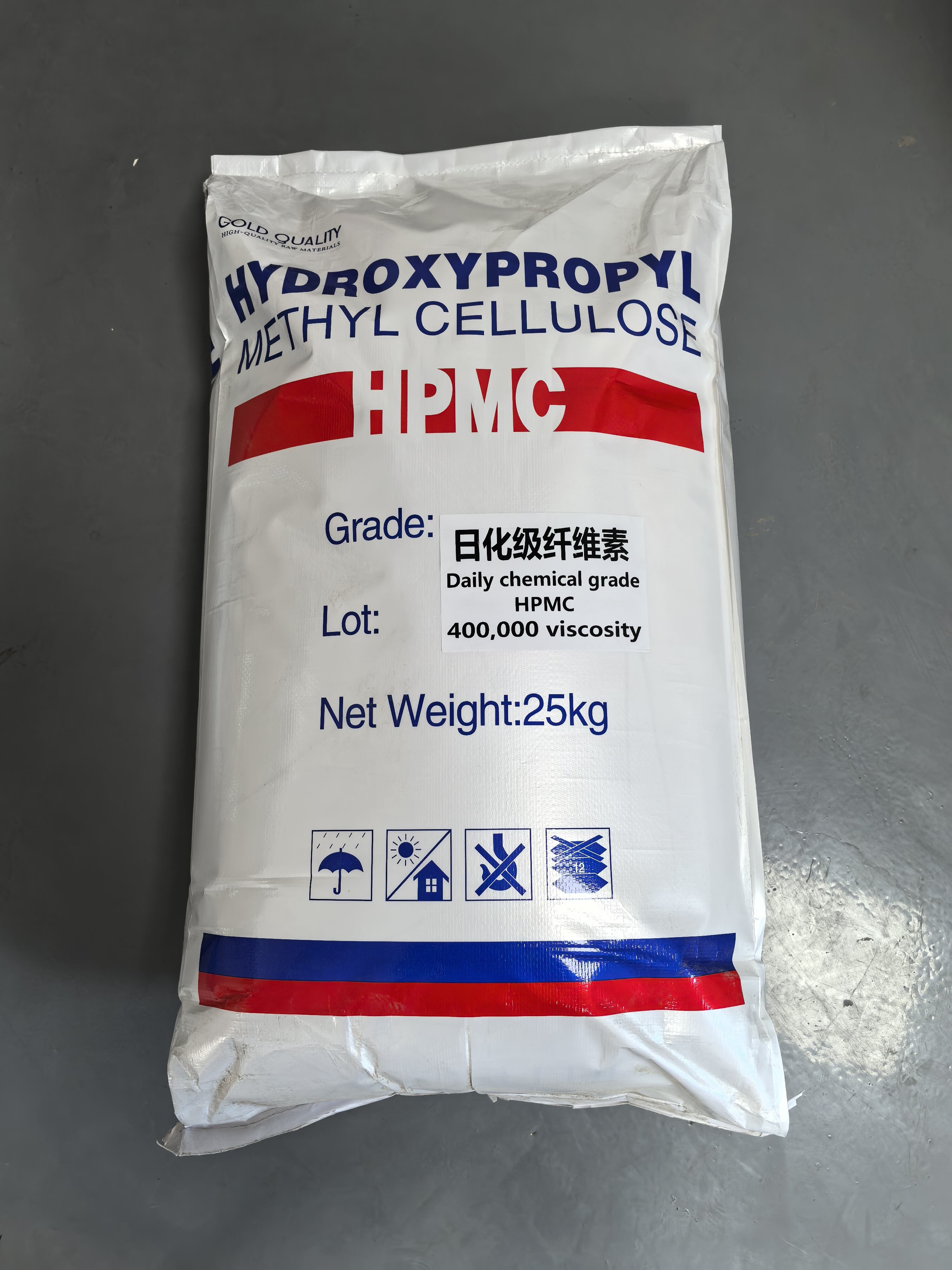
HPMC cellulose ແມ່ນເປັນໜຶ່ງໃນສານເຄມີທີ່ຫຼາກຫຼາຍທີ່ສຸດໃນການນຳໃຊ້ທາງອຸດສາຫະກຳທີ່ທັນສະໄໝ, ໂດຍສະແດງໃຫ້ເຫັນເຖິງຄວາມຍືດຫຼຸ່ນທີ່ດີເລີດໃນສະພາບແວດລ້ອມທີ່ຕ່າງກັນ. ສານດັ່ງກ່າວ ເຊິ່ງເປັນສານ derivatives ຂອງ hydroxypropyl methylcellulose (HPMC) ໄດ້ປະຕິວັດວິທີການທີ່ຜູ້ຜະລິດໃຊ້ໃນການແກ້ໄຂບັນຫາການປະສົມສູດໃນອຸດສາຫະກຳການກໍ່ສ້າງ, ອຸດສາຫະກຳຢາ, ອຸດສາຫະກຳການປຸງແຕ່ງອາຫານ ແລະ ອຸດສາຫະກຳເຄື່ອງສຳອາງ. ການເຂົ້າໃຈວ່າປັດໄຈດ້ານສິ່ງແວດລ້ອມມີຜົນຕໍ່ການປະຕິບັດງານຂອງ HPMC cellulose ຢ່າງໃດ ແມ່ນມີຄວາມສຳຄັນຢ່າງຍິ່ງຕໍ່ວິສວະກອນ ແລະ ຜູ້ປະສົມສູດ ເພື່ອໃຫ້ໄດ້ຜົນໄດ້ຮັບທີ່ດີທີ່ສຸດໃນການນຳໃຊ້ທີ່ເປັນເລື່ອງເລີງຂອງພວກເຂົາ.
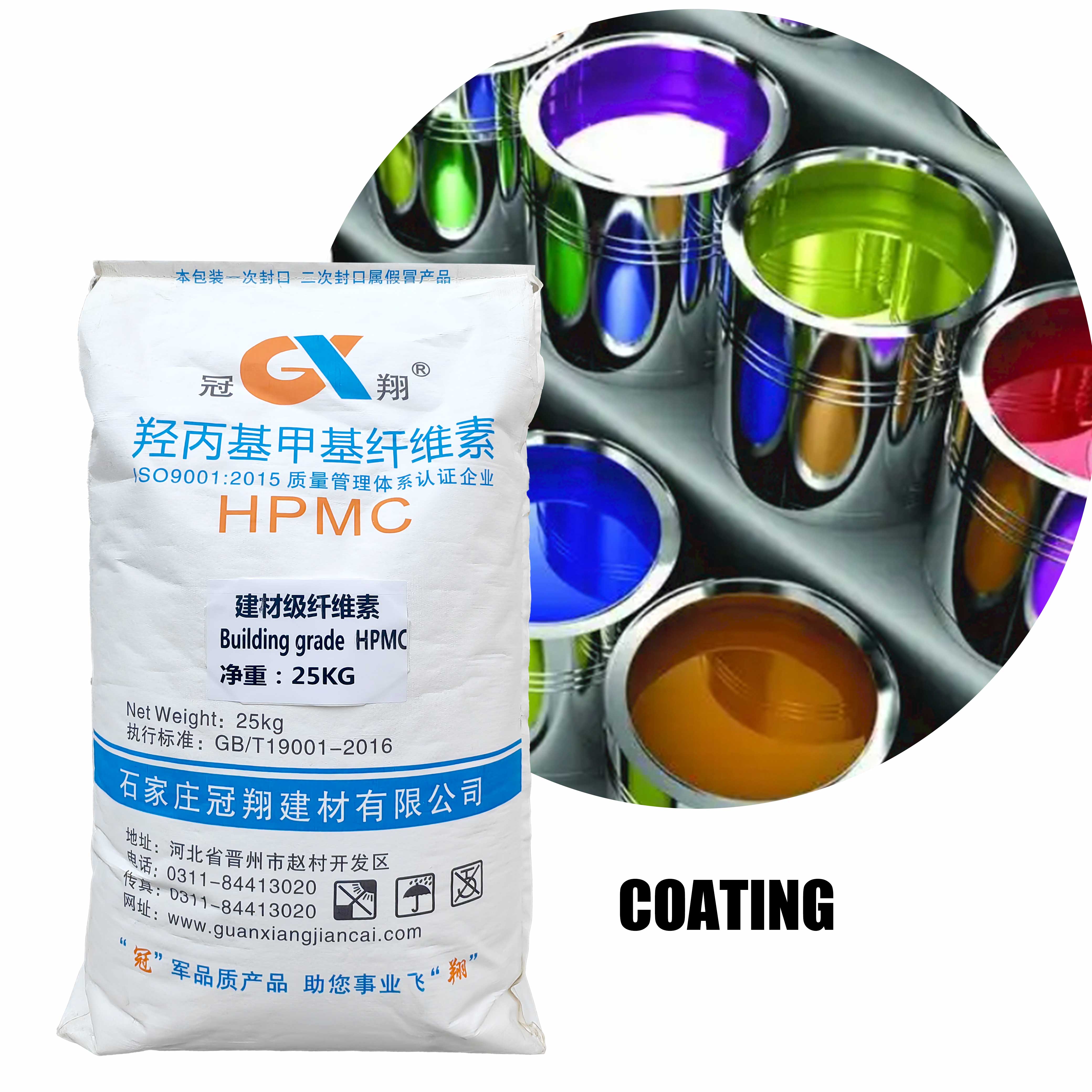
ໂຄງສ້າງເລືອກທີ່ມີລະດັບສູງຂອງ HPMC cellulose ໃຫ້ມັນສາມາດຕອບສະຫນອງຢ່າງໄວວ່າຕໍ່ການປ່ຽນແປງຂອງອຸນຫະພູມ, ຄວາມຊື້ນ, ລະດັບ pH, ແລະ ຄວາມເຂັ້ມຂຸ້ນຂອງໄອອອນ. ເງື່ອນໄຂແວດລ້ອມເຫຼົ່ານີ້ມີຜົນກະທົບໂດຍກົງຕໍ່ພຶດຕິກຳການດູດຊຶມນ້ຳ, ຄຸນສົມບັດການກົ່ວ, ແລະ ຄຸນສົມບັດການໃຊ້ງານທັງໝົດຂອງພັນທະສານ. ຜູ້ຈັດສູດມືອາຊີບຈຳເປັນຕ້ອງພິຈາລະນາການປະຕິກິລິຍາກັບສິ່ງແວດລ້ອມເຫຼົ່ານີ້ເມື່ອອອກແບບຜະລິດຕະພັນທີ່ຮັກສາຄຸນນະພາບທີ່ສະໝຳເສີມໄດ້ໃນເງື່ອນໄຂການເກັບຮັກສາທີ່ແຕກຕ່າງກັນ, ການປ່ຽນແປງຕາມລະດູ, ແລະ ຕຳແໜ່ງທີ່ຕັ້ງທາງ¿¿¿¿¿¿¿¿¿¿¿¿¿¿¿¿¿¿¿¿¿¿¿¿¿¿¿¿¿¿¿¿¿¿¿¿¿¿¿¿¿¿¿¿¿¿¿¿¿¿¿¿¿¿¿¿¿¿¿¿¿¿¿¿¿¿¿¿¿¿¿¿¿¿¿¿¿¿¿¿¿¿¿¿¿¿¿¿¿¿¿¿¿¿¿¿¿¿¿¿¿¿¿¿¿¿¿¿¿¿¿¿¿¿¿¿¿¿¿¿¿¿¿¿¿¿¿¿¿¿¿¿¿¿¿¿¿¿¿¿¿¿¿¿¿¿¿¿¿¿¿¿¿¿¿¿¿¿¿¿¿¿¿¿¿¿¿¿¿¿¿¿¿¿¿¿¿¿¿¿¿¿¿¿¿¿¿¿¿¿¿¿¿¿¿¿¿¿¿¿¿¿¿¿¿¿¿¿¿¿¿¿¿¿¿¿¿¿¿¿¿¿¿¿¿¿¿¿¿¿¿¿¿¿¿¿¿¿¿¿¿¿¿¿¿¿¿¿¿¿¿¿¿¿¿¿¿¿¿¿¿¿¿¿¿¿¿¿¿¿¿¿¿¿¿¿¿¿¿¿¿¿¿¿¿¿¿¿¿¿¿¿¿¿¿¿¿¿¿¿¿¿¿¿¿¿¿¿¿¿¿¿¿¿¿¿¿¿¿¿¿¿¿¿¿¿¿¿¿¿¿¿¿¿¿¿¿¿¿¿¿¿¿¿¿¿¿¿¿¿¿¿¿¿¿¿¿¿¿¿¿¿¿¿¿¿¿¿¿¿¿¿¿¿¿¿¿¿¿¿¿¿¿¿¿¿¿¿¿¿¿¿¿¿¿¿¿¿¿¿¿¿¿¿¿¿¿¿¿¿¿¿¿¿¿¿¿¿¿¿¿¿¿¿¿¿¿¿¿¿¿¿¿¿¿¿¿¿¿¿¿¿¿¿¿¿¿¿¿¿¿¿¿¿¿¿¿¿¿¿¿¿¿¿¿¿¿¿¿¿¿¿¿¿¿¿¿¿¿¿¿¿¿¿¿¿¿¿¿¿¿¿¿¿¿¿¿¿¿¿¿¿¿......
ຜົນກະທົບຂອງອຸນຫະພູມຕໍ່ພຶດຕິກຳຂອງ HPMC cellulose
ຄຸນສົມບັດການກົ່ວທີ່ສາມາດປ່ຽນແປງໄດ້ຕາມອຸນຫະພູມ
ອຸນຫະພູມເປັນປັດໄຈສິ່ງແວດລ້ອມທີ່ສຳຄັນທີ່ສຸດທີ່ສົ່ງຜົນຕໍ່ຄຸນສົມບັດຂອງ HPMC cellulose. ຕ່າງຈາກພັນທະສານຫຼາຍຊະນິດທີ່ສະແດງຄວາມຕອບສະຫນອງເປັນເສັ້ນຊື່ຕໍ່ການປ່ຽນແປງອຸນຫະພູມ, HPMC cellulose ສະແດງຄຸນສົມບັດການເກີດເຈວທີ່ສາມາດກັບຄືນໄດ້ຕາມອຸນຫະພູມ (thermoreversible gelation). ເມື່ອອຸນຫະພູມເພີ່ມຂຶ້ນຈາກສະພາບອຸນຫະພູມປົກກະຕິໄປຫາຈຸດເກີດເຈວ (gel point) ເຊິ່ງມັກຢູ່ໃນຂອບເຂດ 50-55°C ຂື້ນກັບປະເພດຂອງຜະລິດຕະພັນ, ພັນທະສານຈະປ່ຽນຮູບແບບຢ່າງນ່າອັດສະຈັນຈາກວິທີການທີ່ມີຄວາມໜືດສູງໄປເປັນໂຄງສ້າງເຈວທີ່ແໜ້ນ.
ຄຸນສົມບັດທີ່ສາມາດກັບຄືນໄດ້ຕາມອຸນຫະພູມນີ້ເຮັດໃຫ້ HPMC cellulose ມີຄຸນຄ່າເປັນຢ່າງຍິ່ງໃນການນຳໃຊ້ທີ່ຕ້ອງການການປ່ຽນແປງຄຸນສົມບັດທີ່ຖືກເປີດເຄື່ອນໂດຍອຸນຫະພູມ. ອາດີດສີວິທະຍາການກໍາສ້າງ (construction adhesives) ໄດ້ຮັບປະໂຫຍດຈາກຄຸນສົມບັດນີ້ ເນື່ອງຈາກວັດຖຸນີ້ຍັງຄົງມີຄວາມເໝາະສົມຕໍ່ການນຳໃຊ້ໃນອຸນຫະພູມປົກກະຕິ ແຕ່ຈະພັດທະນາຄວາມແໜ້ນຂອງການຈັບຈ່ອງເພີ່ມຂື້ນເມື່ອຖືກສຳຜັດກັບອຸນຫະພູມສູງຂື້ນໃນຂະນະທີ່ເກີດຂະບວນການການແຫ້ງ (curing processes). ຄວາມແໜ້ນຂອງເຈວຈະເພີ່ມຂື້ນຕື່ມເທື່ອລະນ້ອຍໆຕາມອຸນຫະພູມຈົນເຖິງຈຸດທີ່ພັນທະສານເລີ່ມສຳລັບຕົວ (thermal decomposition point) ເຊິ່ງມັກຢູ່ເທິງ 200°C.
ການພິຈາລະນາດ້ານປະສິດທິພາບໃນອຸນຫະພູມຕ່ຳ
ການນຳໃຊ້ໃນສະພາບແວດລ້ອມທີ່ເຢັນຈະເກີດຄວາມທ້າທາຍທີ່ເປັນເອກະລັກສຳລັບ Hpmc ເຊີນໂສ້ ສູດຕ່າງໆ. ຢູ່ໃນອຸນຫະພູມຕ່ຳກວ່າ 10°C, ອັດຕາການລະລາຍຂອງໂປລີເມີຣ໌ຈະຫຼຸດລົງຢ່າງມີນັກ, ເຊິ່ງອາດຈະສົ່ງຜົນຕໍ່ການປະສົມເບື້ອງຕົ້ນ ແລະ ຄຸນສົມບັດໃນການນຳໃຊ້. ແຕ່ເມື່ອໄດ້ຮັບນ້ຳຢ່າງເຕັມທີ່ແລ້ວ, HPMC cellulose ຈະຮັກສາຄວາມສະຖຽນທີ່ທີ່ດີເລີດໄວ້ໄດ້ເຖິງແມ່ນຢູ່ໃນສະພາບທີ່ເຢັນຈົນເຖິງຈຸດເຢັນກໍຕາມ, ເຮັດໃຫ້ມັນເໝາະສຳລັບການເກັບຮັກສາໃນສະພາບເຢັນ ແລະ ການກໍ່ສ້າງໃນລະດູໜາວ.
ຜູ້ຜະລິດທີ່ເຮັດວຽກໃນເຂດທີ່ມີອາກາດເຢັນມັກຈະນຳໃຊ້ວິທີການລະລາຍລ່ວງໆ ຫຼື ໃຊ້ HPMC cellulose ສະເພກເຊີຟິກທີ່ຖືກປັບປຸງໃຫ້ມີຄວາມລະລາຍດີໃນອຸນຫະພູມຕ່ຳ. ສະເພກເຊີຟິກທີ່ຖືກປັບປຸງເຫຼົ່ານີ້ມີຮູບແບບການເຊື່ອມຕໍ່ທີ່ເປັນເອກະລັກ ເຊິ່ງຊ່ວຍເຮັດໃຫ້ການດູດຊຶມນ້ຳໄວຂຶ້ນໃນອຸນຫະພູມທີ່ຕ່ຳ ໂດຍຍັງຮັກສາຄຸນສົມບັດໃນການນຳໃຊ້ທີ່ຕ້ອງການໄວ້ໄດ້ເມື່ອລະບົບບັນລຸສະພາບການໃຊ້ງານທີ່ເໝາະສົມ.
ຜົນກະທົບຈາກຄວາມຊື້ນ ແລະ ປະລິມານນ້ຳ
ພຶດຕິກຳການດູດຊຶມຄວາມຊື້ນ ແລະ ການດູດຊຶມນ້ຳ
ທຳມະຊາດຂອງ HPMC cellulose ທີ່ດຶດຊື້ນເຮັດໃຫ້ມັນມີຄວາມໄວຕໍ່ສະພາບການຄວາມຊື້ນຂອງແວດລ້ອມຢ່າງຫຼາຍ. ໃນສະພາບແວດລ້ອມທີ່ມີຄວາມຊື້ນສູງ, ພັນທະສານຈະດຶດຊື້ນຈາກອາກາດຢ່າງງ່າຍດາຍ, ເຊິ່ງອາດຈະປ່ຽນແປງຄຸນສົມບັດການລື່ນໄຫຼ, ຄຸນສົມບັດຄວາມໜືດ, ແລະຄວາມສະຖຽນຂອງມັນຢ່າງມີນັກ. ການດຶດຊື້ນນີ້ເກີດຂື້ນຢ່າງໄວ, ໂດຍທົ່ວໄປຈະບັນລຸສະພາບດຸນດ້ານຄວາມຊື້ນພາຍໃນ 24-48 ຊົ່ວໂມງ ຂື້ນກັບລະດັບຄວາມຊື້ນສຳພັດ ແລະ ການແຈກຢາຍຂະໜາດຂອງອະນຸພາກ.
ການເຂົ້າໃຈຜົນກະທົບຂອງຄວາມຊື້ນຈະເປັນສິ່ງທີ່ສຳຄັນເປັນພິເສດສຳລັບສູດຜົງທີ່ມີ HPMC cellulose. ໃນການຜະລິດຢາແທັບເລັດ, ຄວາມຊື້ນທີ່ຫຼາຍເກີນໄປອາດເຮັດໃຫ້ເກີດການເຈືອປະນົມລ່ວງໆເວລາກົດ, ສົ່ງຜົນໃຫ້ເກີດຂໍ້ບົກຂາດໃນການຫຸ້ມຫໍ່ ຫຼື ຄວາມແຂງຂອງແທັບເລັດລົດຕ່ຳລง. ໃນທາງກັບກັນ, ການນຳໃຊ້ໃນດ້ານການກໍ່ສ້າງໃນດິນແດນເຂດຮ້ອນຈະຕ້ອງຄວບຄຸມຄວາມຊື້ນຢ່າງລະມັດລະວັງໃນຂະນະເກັບຮັກສາ ແລະ ການນຳໃຊ້ເພື່ອຮັກສາຄຸນສົມບັດການເຮັດວຽກທີ່ສົມໍາເທົ່າກັນ.
ວຟີການແຫ້ງ ແລະ ວຟີການດຶດຊື້ນຄືນ
HPMC cellulose ສະແດງໃຫ້ເຫັນຄວາມສະຖຽນທີ່ດີເລີດຜ່ານວຟົງການແຫ້ງແລະການຊຸບນ້ຳຄືນຫຼາຍຄັ້ງ, ແຕ່ອາດຈະມີການປ່ຽນແປງທີ່ບໍ່ເດັ່ນຊັດໃນດ້ານການປະຕິບັດ. ໃນຂະນະທີ່ເກີດການສູນເສຍນ້ຳ, ສາຍພັນໂປລີເມີຣ໌ຈະປ່ຽນຮູບຮ່າງ ເຊິ່ງອາດຈະມີຜົນຕໍ່ຄວາມໄວໃນການຊຸບນ້ຳຄືນໃນຂະນະຕໍ່ໄປ. ຜົນກະທົບເຫຼົ່ານີ້ທົ່ວໄປແລ້ວແມ່ນສາມາດກັບຄືນໄດ້, ແຕ່ການເຮັດຊ້ຳຄືນຫຼາຍຄັ້ງອາດຈະນຳໄປສູ່ການປ່ຽນແປງເລັກນ້ອຍໃນລັກສະນະຄວາມໜືດ ແລະ ຄຸນລັກສະນະການກໍ່ຕົວເປັນເຈີລ.
ການນຳໃຊ້ໃນອຸດສາຫະກຳມັກຈະມີການສຳຜັດກັບຄວາມຊື້ນຢ່າງຕໍ່ເນື່ອງ, ເຊັ່ນ: ການປ່ຽນແປງຄວາມຊື້ນຕາມລະດູການ ຫຼື ເງື່ອນໄຂການຜະລິດທີ່ປ່ຽນແປງລະຫວ່າງສະພາບແວດລ້ອມທີ່ເປີດແລະແຫ້ງ. ວິທີການຄວບຄຸມຄຸນນະພາບສຳລັບການນຳໃຊ້ HPMC cellulose ຈຳເປັນຕ້ອງຄຳນຶງເຖິງຜົນກະທົບຈາກການປ່ຽນແປງສະພາບແວດລ້ອມເຫຼົ່ານີ້ເພື່ອຮັບປະກັນວ່າຜະລິດຕະພັນຈະມີການປະຕິບັດທີ່ສອດຄ່ອງກັນຕະຫຼອດອາຍຸການໃຊ້ງານທີ່ກຳນົດ.
ຄວາມໄວ້ຕໍ່ pH ແລະ ສະພາບແວດລ້ອມທາງເคมີ
ການປະຕິບັດໃນສະພາບແວດລ້ອມທີ່ເປັນເປັນເປັນ
HPMC cellulose ມີຄວາມເສຖຽນທີ່ດີເລີດໃນໄລຍະ pH ທີ່ກວ້າງ, ໂດຍທົ່ວໄປແລ້ວຈະຮັກສາຄຸນສົມບັດທີ່ໃຊ້ງານໄດ້ຢູ່ລະຫວ່າງ pH 3 ແລະ 11. ໃນສະພາບແວດລ້ອມທີ່ເປັນຄຳ, ພັນທຸະມະກຳນີ້ສະແດງຄວາມຕ້ານທານທີ່ເພີ່ມຂຶ້ນຕໍ່ການສลายຕົວໂດຍເອນໄຊມ໌ ໃນຂະນະທີ່ຍັງຮັກສາຄຸນສົມບັດດ້ານ rheological ໄວ້. ຄວາມເສຖຽນຕໍ່ຄຳນີ້ເຮັດໃຫ້ HPMC cellulose ມີຄຸນຄ່າເປັນຢ່າງຍິ່ງໃນການນຳໃຊ້ດ້ານອາຫານທີ່ມີສ່ວນປະກອບທີ່ເປັນຄຳ, ສູດຢາທີ່ມີສານອາຄຳທີ່ເປັນຄຳ, ແລະ ຂະບວນການອຸດສາຫະກຳທີ່ດຳເນີນຢູ່ໃນສະພາບແວດລ້ອມທີ່ເປັນຄຳ.
ຢ່າງໃດກໍຕາມ, ສະພາບແວດລ້ອມທີ່ເປັນຄຳຢ່າງຮຸນແຮງທີ່ pH ຕ່ຳກວ່າ 2 ອາດຈະສົ່ງຜົນຕໍ່ສ່ວນກາງຂອງພັນທຸະມະກຳຢ່າງຊັ້ນຕໍ່ຊັ້ນ, ເຊິ່ງອາດຈະນຳໄປສູ່ການຫຼຸດລົງຂອງນ້ຳໜັກໂມເລກຸນໃນໄລຍະເວລາທີ່ຖືກສຳຜັດຢູ່ເປັນເວລາດົນ. ຜູ້ຈັດສູດອຸດສາຫະກຳທີ່ເຮັດວຽກກັບລະບົບທີ່ເປັນຄຳຢ່າງຮຸນແຮງຄວນພິຈາລະນາການປ້ອງກັນເພີ່ມເຕີມ ຫຼື ໃຊ້ປະເພດ HPMC cellulose ອື່ນທີ່ຖືກອອກແບບມາເປັນພິເສດເພື່ອເພີ່ມຄວາມຕ້ານທານຕໍ່ຄຳ.
ການພິຈາລະນາສຳລັບສະພາບແວດລ້ອມທີ່ເປັນດັ່ງ
ສະພາບແວດລ້ອມທີ່ເປັນດ່າງເຄີມ (alkaline) ສ້າງຄວາມທ້າທາຍທີ່ແຕກຕ່າງກັນຕໍ່ປະສິດທິພາບຂອງເຊລູໂລສ HPMC. ເຖິງແນວໃດກໍຕາມ, ພັນທຸກະລະມິດນີ້ຮັກສາຄວາມສະຖຽນຢູ່ໃນສະພາບແວດລ້ອມທີ່ເປັນດ່າງເຄີມຢ່າງອ່ອນໆ ເຊິ່ງມັກພົບເຫັນໃນວັດສະດຸການກໍ່ສ້າງເຊັ່ນ: ລະບົບທີ່ອີງໃສ່ປູນຊີເມັນ, ແຕ່ສະພາບແວດລ້ອມທີ່ເປັນດ່າງເຄີມຢ່າງຮຸນແຮງ (pH ສູງກວ່າ 12) ອາດເຮັດໃຫ້ເກີດການເສື່ອມສະພາບຂອງພັນທຸກະລະມິດໄວຂຶ້ນ. ການເສື່ອມສະພາບນີ້ມັກຈະສະແດງອອກເປັນການສູນເສຍຄວາມໜືດ (viscosity) ຢ່າງຊັ້ນຕໍ່ຊັ້ນ ແລະ ຄວາມເຂັ້ມຂົ້ນຂອງການເກີດເຈວ (gelation strength) ທີ່ລົດຕ່ຳລົງລົງເປັນເວລາ.
ອຸດສາຫະກຳການກໍ່ສ້າງມັກຈະປະເຊີນກັບສະພາບແວດລ້ອມທີ່ເປັນດ່າ ເນື່ອງຈາກປະຕິກິລິຍາການຮັບນ້ຳຂອງເຊີເມັນ (cement hydration reactions), ເຊິ່ງອາດຈະສ້າງໃຫ້ເກີດລະດັບ pH ສູງກວ່າ 13. ມີການພັດທະນາ HPMC cellulose ສະເພາະທີ່ມີຄວາມຕ້ານທານດ່າທີ່ດີຂຶ້ນ ໂດຍຜ່ານຮູບແບບການປ່ຽນແປງການຕິດຕັ້ງ (modified substitution patterns) ແລະ ວັດສະດຸປ້ອງກັນເພີ່ມເຕີມ (protective additives), ເພື່ອຮັບປະກັນການປະຕິບັດທີ່ເຊື່ອຖືໄດ້ໃນການນຳໃຊ້ທີ່ຕ້ອງການຄວາມເຂັ້ມງວດສູງເຫຼົ່ານີ້.
ຄວາມເຂັ້ມຂອງໄອອອນ ແລະ ຜົນກະທົບຂອງເກືອ
ຄວາມເຂົ້າກັນໄດ້ກັບໄອອອນ
ການມີຂະໜາດເກືອທີ່ຖືກລະລາຍ ແລະ ອີເລັກໂຕໄລທ໌ ມີຜົນກະທົບຢ່າງໃຫຍ່ຫຼວງຕໍ່ພຶດຕິກຳຂອງເຊລູໂລສ HPMC ໃນລະບົບທີ່ມີນ້ຳ. ເກືອທີ່ມີຄ່າຄວາມເປັນໄອອົງດຽວ (monovalent salts) ເຊັ່ນ: ເກືອທີ່ເປັນສັງເຄາະ (sodium chloride) ມັກຈະມີຜົນກະທົບນ້ອຍຫຼາຍຕໍ່ປະສິດທິພາບຂອງ polymers ໃນຄວາມເຂັ້ມຂຸ້ນທີ່ປານກາງ, ໃນຂະນະທີ່ໄອອົງທີ່ມີຄ່າຄວາມເປັນໄອອົງຫຼາຍ (multivalent ions) ເຊັ່ນ: ເຄືອບ (calcium) ແລະ ອາລູມີເນີອູມ (aluminum) ສາມາດເຮັດໃຫ້ເກີດການປ່ຽນແປງຢ່າງຮຸນແຮງຕໍ່ຄວາມໜືດ (viscosity) ແລະ ຄຸນສົມບັດການເກີດເຈວ (gelation properties). ການປະຕິສຳພັນທາງໄອອົງ (ionic interactions) ເຫຼົ່ານີ້ເກີດຂື້ນຜ່ານຜົນກະທົບຂອງການປ້ອງກັນທາງໄຟຟ້າ (electrostatic shielding effects) ແລະ ກົນໄກການຈັບຈ່ອນທາງໄອອົງທີ່ເປັນເອກະລັກ (specific ion-polymer binding mechanisms).
ການນຳໃຊ້ໃນສະພາບແວດລ້ອມທີ່ເປັນນ້ຳເກືອ (seawater environments) ຫຼື ໃນຂະບວນການອຸດສາຫະກຳທີ່ມີເກືອສູງ ຕ້ອງມີການພິຈາລະນາຢ່າງລະມັດລະວັງຕໍ່ຜົນກະທົບຂອງຄວາມເຂັ້ມຂຸ້ນຂອງໄອອົງ (ionic strength effects). ສູດ HPMC cellulose ສຳລັບການກໍ່ສ້າງທາງທະເລ (offshore construction), ການບຳລຸງຮັກສາໂຮງງານການເອົາເກືອອອກຈາກນ້ຳ (desalination plant maintenance), ຫຼື ການປຸງແຕ່ງອາຫານທີ່ມີນ້ຳເກືອ (brines) ຕ້ອງຄຳນຶງເຖິງການປ່ຽນແປງທີ່ເປັນໄປໄດ້ຕໍ່ປະສິດທິພາບ ອັນເນື່ອງມາຈາກການມີຢູ່ຂອງອີເລັກໂຕໄລທ໌.
ຄວາມອ່ອນໄຫວຕໍ່ລາຍເຫຼັກໜັກ
ອີ້ອນທີ່ເປັນໂລຫະໜັກມີຄວາມທ້າທາຍເປັນພິເສດຕໍ່ຄວາມສະຖຽນຂອງ HPMC cellulose ແລະ ຄວາມສາມາດໃນການປະຕິບັດງານ. ໂລຫະທີ່ເປັນຕົວເຮັງເຊັ່ນ: ເຫຼັກ, ໂທນຊີ່ແລະ ສັງກະສີ ສາມາດເຮັງໃຫ້ເກີດການເສື່ອມສະພາບຈາກການເກີດອົກຊີເດຊັນ, ສົ່ງຜົນໃຫ້ເກີດການຕັດແຕ່ງຂອງຫຼອດພັນທຸກຳ (polymer chain scission) ແລະ ການສູນເສຍຄຸນສົມບັດຢ່າງຕໍ່ເນື່ອງ. ຜົນກະທົບເຫຼົ່ານີ້ມັກຈະເລີກຮູ້ໄດ້ຢ່າງໄວວ່າເມື່ອອຸນຫະພູມສູງຂຶ້ນ ແລະ ມີອົກຊີເຈັນຢູ່, ເຮັດໃຫ້ເກີດເສັ້ນທາງຂອງການເສື່ອມສະພາບທີ່ສັບສົນ ແລະ ສາມາດສົ່ງຜົນຕໍ່ຄວາມສາມາດໃນການປະຕິບັດງານໃນໄລຍະຍາວໄດ້ຢ່າງມີນັກ.
ການນຳໃຊ້ໃນອຸດສາຫະກຳທີ່ກ່ຽວຂ້ອງກັບການສຳຜັດກັບໂລຫະໜັກ ມັກຈະໃຊ້ຕົວຈັບເຊື່ອມ (chelating agents) ຫຼື ລະບົບຕ້ານອົກຊີເດຊັນ (antioxidant systems) ເພື່ອປ້ອງກັນ HPMC cellulose ຈາກຜົນກະທົບທີ່ເຮັງໃຫ້ເກີດການເສື່ອມສະພາບ. ການນຳໃຊ້ໃນການປັບປຸງນ້ຳ, ການຂຸດຄົ້ນບໍ່ແຮ່ ແລະ ສະຖານທີ່ປຸງແຕ່ງໂລຫະ ແມ່ນສະພາບແວດລ້ອມທີ່ມາດຕະຖານການປ້ອງກັນເຫຼົ່ານີ້ກາຍເປັນສິ່ງຈຳເປັນເພື່ອຮັກສາຄວາມສາມາດໃນການປະຕິບັດງານຂອງ polymer ໃຫ້ຄົງທີ່.
ສະພາບອາກາດ ແລະ ການສຳຜັດກັບກຳມະສານ
ອົກຊີເຈັນ ແລະ ຄວາມສະຖຽນຕໍ່ການເກີດອົກຊີເດຊັນ
ອົກຊີເຈນໃນບໍລະຍາກາດທົ່ວໄປມີຜົນກະທົບຕໍ່ເຊລູໂລສ HPMC ນ້ອຍຫຼາຍໃນສະພາບການເກັບຮັກສາ ແລະ ການນຳໃຊ້ປົກກະຕິ. ແຕ່ຢ່າງໃດກໍຕາມ, ການມີຢູ່ຂອງສານທີ່ເປັນຕົວເຮັງ (catalytic species) ຫຼື ອຸນຫະພູມທີ່ສູງຂຶ້ນ ສາມາດເລີ່ມຕົ້ນເສັ້ນທາງຂອງການເສື່ອມສະພາບຈາກການເກີດອົກຊີເດຊັນ (oxidative degradation) ທີ່ຈະສົ່ງຜົນຕໍ່ຄຸນສົມບັດຂອງພັລິເມີຣ໌ຢ່າງຊ້າໆ. ການເກີດອົກຊີເດຊັນເຫຼົ່ານີ້ມັກເກີດຂຶ້ນຢ່າງຊ້າໆ ແຕ່ອາດຈະເພີ່ມຂຶ້ນເລື້ອຍໆໃນໄລຍະເວລາທີ່ຍາວນານ ໂດຍເປັນພິເສດໃນການນຳໃຊ້ທີ່ມີການສຳຜັດກັບອົກຊີເຈນຢ່າງຕໍ່ເນື່ອງ.
ຂະບວນການການຫໍ່ຫຸ້ມ ແລະ ການເກັບຮັກສາຜະລິດຕະພັນເຊລູໂລສ HPMC ເຖິງແມ່ນວ່າຈະມັກຈະປະກອບດ້ວຍການປ້ອງກັນການເຂົ້າໄປຂອງອົກຊີເຈນ ຫຼື ການປ້ອງກັນດ້ວຍອາກາດທີ່ບໍ່ເຮັງ (inert atmosphere) ເພື່ອຮັກສາຄວາມສະຖຽນຕົນໃນໄລຍະຍາວ. ການນຳໃຊ້ທີ່ສຳຄັນເປັນພິເສດໃນດ້ານອາວະກາດ, ການຜະລິດຢາ, ຫຼື ຂະບວນການອຸດສາຫະກຳທີ່ຕ້ອງການຄວາມຖືກຕ້ອງສູງ ອາດຈະຕ້ອງການການປ້ອງກັນການເກີດອົກຊີເດຊັນທີ່ເຂັ້ມງວດຂຶ້ນເພື່ອຮັບປະກັນການປະຕິບັດທີ່ສົມໆເທົ່າກັນຕະຫຼອດວົງຈອນຊີວິດຂອງຜະລິດຕະພັນ.
ກາຊຄາບອນໄດອົກໄຊດ໌ ແລະ ຜົນກະທົບຂອງການປັບຄ່າ pH
ການແກ້ໄຂຄາບອັນເກີດຈາກການສຳຜັດກັບອາກາດສາມາດສ້າງສະພາບທີ່ເປັນເປັນເປືອກຢ່າງອ່ອນໆ ຜ່ານການສ້າງຕົວຂອງ ອາຊິດຄາບອນນິກ. ເຖິງແນວໃດກໍຕາມ ການປ່ຽນແປງ pH ເຫຼົ່ານີ້ ມັກຈະເປັນເລື່ອງທີ່ເລັກນ້ອຍ, ແຕ່ມັນສາມາດມີຜົນຕໍ່ການປະພຶດຕົວຂອງ HPMC cellulose ໃນການນຳໃຊ້ທີ່ອ່ອນໄຫວ ຫຼື ໃນລະບົບທີ່ມີຄວາມສາມາດໃນການຄວບຄຸມ pH ທີ່ຈຳກັດ. ການຕອບສະຫນອງຂອງໂປລີເມີຣ໌ຕໍ່ການປ່ຽນແປງ pH ທີ່ບໍ່ເດັ່ນຊັດເຫຼົ່ານີ້ ຂຶ້ນກັບປະເພດທີ່ເຈາະຈົງ, ຄວາມເຂັ້ມຂຸ້ນ, ແລະ ການມີຢູ່ຂອງຕົວຄວບຄຸມ pH ອື່ນໆ ໃນສູດ.
ການຕິດຕາມສະພາບແວດລ້ອມໃນການນຳໃຊ້ທີ່ມີການຄວບຄຸມອາກາດມັກຈະຕິດຕາມລະດັບຂອງກາຊຄາບອນໄດອົກໄຊດ໌ເພື່ອຮັກສາປະສິດທິພາບທີ່ດີທີ່ສຸດຂອງ HPMC cellulose. ການຜະລິດໃນຫ້ອງທີ່ບໍ່ມີຝຸ່ນ, ການຜະລິດຢາ, ແລະ ຂະບວນການອຸດສາຫະກຳທີ່ອ່ອນໄຫວອາດຈະນຳໃຊ້ລະບົບຄວບຄຸມອາກາດເພື່ອຫຼຸດຜ່ອນການປ່ຽນແປງ pH ທີ່ເກີດຈາກການປ່ຽນແປງຂອງກາຊຄາບອນໄດອົກໄຊດ໌.
ການເພີ່ມປະສິດທິພາບສະພາບແວດລ້ອມໃນການນຳໃຊ້ດ້ານອຸດສາຫະກຳ
ການກໍ່ສ້າງ ແລະ ວັດສະດຸກໍ່ສ້າງ
ສະພາບແວດລ້ອມໃນການກໍ່ສ້າງເປັນສາເຫດທີ່ເຮັດໃຫ້ເກີດຄວາມທ້າທາຍທີ່ເປັນເອກະລັກຕໍ່ການປັບປຸງປະສິດທິພາບຂອງເຊລູໂລສ HPMC. ການປ່ຽນແປງຂອງອຸນຫະພູມຈາກການປ່ຽນແປງຕາມລະດູ, ການສຳຜັດກັບຄວາມຊື້ນຈາກສະພາບອາກາດ, ແລະ ການປະຕິກິລິຍາທາງເຄມີກັບຄວາມເປັນດ່າງຂອງປູນຊີເມັນ ເຮັດໃຫ້ເກີດຄວາມຕ້ອງການດ້ານປະສິດທິພາບທີ່ສັບສົນ. ການນຳໃຊ້ທີ່ສຳເລັດຜົນຈຳເປັນຕ້ອງມີການເລືອກຢ່າງລະມັດລະວັງເຖິງປະເພດເຊລູໂລສ HPMC ທີ່ເໝາະສົມ ໂດຍຄຳນຶງເຖິງຄວາມສະຖຽນທາງອຸນຫະພູມ, ຄວາມຕ້ານທານຕໍ່ຄວາມຊື້ນ, ແລະ ຄວາມຕ້ານທານຕໍ່ດ່າງ.
ການຕິດຕາມສະພາບແວດລ້ອມທີ່ເປັນເອກະລັກຕໍ່ສະຖານທີ່ເປັນສິ່ງທີ່ສຳຄັນຫຼາຍສຳລັບໂຄງການກໍ່ສ້າງທີ່ນຳໃຊ້ວັດຖຸທີ່ມີເຊລູໂລສ HPMC. ປັດໄຈຕ່າງໆ ເຊັ່ນ: ອຸນຫະພູມແວດລ້ອມໃນເວລານຳໃຊ້, ລະດັບຄວາມຊື້ນສຳພັດ, ສະພາບລົມທີ່ມີຜົນຕໍ່ອັດຕາການແຫ້ງ, ແລະ ຄວາມຊື້ນຂອງພື້ນຜິວທີ່ນຳໃຊ້ ລ້ວນແຕ່ມີອິດທິພົວຕໍ່ລັກສະນະປະສິດທິພາບສຸດທ້າຍ ແລະ ຈຳເປັນຕ້ອງຖືກພິຈາລະນາໃນຂະນະການວາງແຜນ ແລະ ດຳເນີນການໂຄງການ.
ການຄວບຄຸມສະພາບແວດລ້ອມໃນການປຸງແຕ່ງອາຫານ
ສະພາບແວດລ້ອມໃນການປຸງແຕ່ງອາຫານຕ້ອງການການຄວບຄຸມສະພາບແວດລ້ອມຢ່າງເຂັ້ມງວດເພື່ອຮັກສາຄວາມສາມາດໃນການທຳງານຂອງເຊລູໂລສ HPMC ໃນຂະນະທີ່ຮັບປະກັນຄວາມປອດໄພ ແລະ ຄຸນນະພາບຂອງຜະລິດຕະພັນ. ການຄວບຄຸມອຸນຫະພູມໃນຂະນະການປຸງແຕ່ງ, ການຈັດການຄວາມຊື້ນໃນເຂດຜະລິດ, ແລະ ການຕິດຕາມ pH ໃນລະບົບການປະສົມທັງໝົດນີ້ ມີສ່ວນຮ່ວມໃນການຮັກສາປະສິດທິພາບທີ່ສອດຄ່ອງຂອງພັລິເມີ. ສະພາບການທີ່ຖືກຄວບຄຸມເຫຼົ່ານີ້ຈະຕ້ອງຖືກຮັກສາໄວ້ຢ່າງຕໍ່ເນື່ອງໃນທຸກຂະບວນການ: ການຜະລິດ, ການຫໍ່ຫຸ້ມ, ແລະ ການຈັດເກັບ.
ຂະບວນການດູແລຄວາມສະອາດໃນສະຖານທີ່ປຸງແຕ່ງອາຫານອາດເຮັດໃຫ້ເຊລູໂລສ HPMC ສຳຜັດກັບເຄມີການທີ່ໃຊ້ໃນການລ້າງ, ອຸນຫະພູມທີ່ສູງຂຶ້ນໃນຂະນະຂະບວນການດູແລຄວາມສະອາດ, ແລະ ການປ່ຽນແປງຂອງຄວາມຊື້ນໃນຂະນະການລ້າງ ແລະ ການແຫ້ງ. ຍຸດທະສາດການປະສົມຈະຕ້ອງຄຳນຶງເຖິງຄວາມເຄັ່ງຕຶງດ້ານສະພາບແວດລ້ອມເຫຼົ່ານີ້ເພື່ອຮັກສາຄວາມເປັນປະກົດ ແລະ ປະສິດທິພາບຂອງຜະລິດຕະພັນໃນທຸກຂະບວນການຜະລິດ.
ຄຳຖາມທີ່ຖາມບໍ່ຍາກ
ຊ່ວງອຸນຫະພູມໃດທີ່ໃຫ້ປະສິດທິພາບທີ່ດີທີ່ສຸດຂອງເຊລູໂລສ HPMC?
HPMC cellulose ດຳເນີນງານໄດ້ດີທີ່ສຸດໃນຊ່ວງອຸນຫະພູມ 20-40°C ສຳລັບການນຳໃຊ້ສ່ວນຫຼາຍ. ເມື່ອຕໍ່າກວ່າ 10°C, ອັດຕາການລະລາຍຈະຊ້າລົງຢ່າງມີນັກ, ໃນຂະນະທີ່ອຸນຫະພູມເທິງ 50-55°C ຈະເຮັດໃຫ້ເກີດການປ່ຽນເປັນເຈວທີ່ສາມາດຍົກເລີກໄດ້ດ້ວຍຄວາມຮ້ອນ. ສຳລັບການນຳໃຊ້ທີ່ເປັນພິເສດ, ຊະນິດທີ່ຖືກປັບປຸງແລ້ວສາມາດຂະຫຍາຍຂອບເຂດການດຳເນີນງານນີ້ໄດ້, ແຕ່ຊະນິດທີ່ມາດຕະຖານຈະເຮັດວຽກໄດ້ດີທີ່ສຸດພາຍໃນເຂດອຸນຫະພູມປານກາງທີ່ຄວາມໄວໃນການດູດຊຶມນ້ຳ ແລະ ຄວາມສະຖຽນຈະຖືກຮັກສາໃຫ້ສົມດຸນ.
ຄວາມຊື້ນມີຜົນຕໍ່ການເກັບຮັກສາຜົງ HPMC cellulose ແນວໃດ?
ຜົງ HPMC cellulose ຄວນເກັບຮັກສາໃນສະພາບຄວາມຊື້ນສຳບັບ (relative humidity) ຕໍ່າກວ່າ 60% ເພື່ອປ້ອງກັນການດູດຊຶມຄວາມຊື້ນທີ່ອາດເຮັດໃຫ້ເກີດການຈັບຕິດກັນເປັນກ້ອນ ຫຼື ການປ່ຽນເປັນເຈວກ່ອນເວລາ. ຄວາມຊື້ນສູງເທິງ 80% ອາດເຮັດໃຫ້ມີການດູດຊຶມຄວາມຊື້ນຢ່າງມີນັກພາຍໃນ 24-48 ຊົ່ວໂມງ, ເຊິ່ງຈະປ່ຽນແປງຄຸນສົມບັດການລື່ນໄຫຼ ແລະ ອາດສົ່ງຜົນຕໍ່ຄຸນສົມບັດການລະລາຍ. ການເກັບຮັກສາຢ່າງເໝາະສົມໃນບໍ່ປິດທີ່ມີການປົກປ້ອງດ້ວຍ desiccant ຈະຮັບປະກັນຄຸນນະພາບຜົງທີ່ດີທີ່ສຸດ.
HPMC cellulose ສາມາດ withstand ວຟິກໄຊຄັນ (freeze-thaw cycles) ໄດ້ຫຼືບໍ?
ແມ່ນແລ້ວ, HPMC cellulose ມີຄວາມສະຖຽນຕົວຕໍ່ການເຢັນ-ທີ່ເປັນນ້ຳ (freeze-thaw stability) ຢ່າງດີເມື່ອຖືກເຮັດໃຫ້ຊຸ່ມຊື້ນຢ່າງເຕັມທີ່. polymers ຈະຮັກສາຄຸນສົມບັດທາງຫນ້າທີ່ໄວ້ໄດ້ຜ່ານວຟງການເຢັນ-ທີ່ເປັນນ້ຳຫຼາຍຄັ້ງໂດຍບໍ່ມີການເສື່ອມສະພາບທີ່ສຳຄັນ. ອີງຕາມນີ້, ການເຮັດໃຫ້ຊຸ່ມຊື້ນເບື້ອງຕົ້ນຄວນດຳເນີນການທີ່ອຸນຫະພູມສູງກວ່າ 10°C ເພື່ອໃຫ້ການລະລາຍເກີດຂຶ້ນຢ່າງມີປະສິດທິພາບສູງສຸດ, ແລະ ການປ່ຽນແປງອຸນຫະພູມຢ່າງໄວວ່າໃນຂະນະທີ່ເກີດວຟງການເຢັນ-ທີ່ເປັນນ້ຳອາດເຮັດໃຫ້ຄວາມໜືດປ່ຽນແປງຊົ່ວຄາວ ແຕ່ຈະຄືນສູ່ສະຖານະທີ່ສະຖຽນຕົວອີກເມື່ອອຸນຫະພູມຄືນສູ່ສະຖານະດຸນ.
ສະພາບແວດລ້ອມທາງເຄມີໃດທີ່ຄວນຫຼີກເວັ້ນໃນການໃຊ້ HPMC cellulose?
ຄວນຫຼີກເວັ້ນການໃຊ້ HPMC cellulose ໃນສະພາບທີ່ມີຄວາມເປັນແອຊິດສູງຫຼາຍ (pH ຕ່ຳກວ່າ 2) ຫຼື ສະພາບທີ່ມີຄວາມເປັນດ່າງສູງຫຼາຍ (pH ສູງກວ່າ 13) ເນື່ອງຈາກສະພາບເຫຼົ່ານີ້ອາດເຮັດໃຫ້ເກີດການເສື່ອມສະພາບຂອງ polymers ຢ່າງຊັ້ນຕໍ່. ອີງຕາມນີ້, ອົກຊິໄດເຄມີທີ່ມີຄວາມເຂັ້ມຂຸ້ນສູງ, ວິທີທີ່ມີລະດັບຄວາມເຂັ້ມຂຸ້ນສູງຂອງธาດລາວທີ່ມີປະຈຸບັນຫຼາຍ (heavy metals), ແລະ ຕົວເຄມີອິນີເລີກທີ່ເຮັດໃຫ້ພັນທະບາດ hydrogens ເສື່ອມສະພາບ ກໍອາດເຮັດໃຫ້ປະສິດທິຜົນຫຼຸດລົງໄດ້ເຊັ່ນກັນ. ນອກຈາກນີ້, ລະບົບທີ່ມີຄວາມເຂັ້ມຂຸ້ນສູງຂອງ ion ທີ່ມີປະຈຸບັນຫຼາຍ (multivalent ions) ອາດຈະຕ້ອງການປະເພດພິເສດເພື່ອຮັກສາຄວາມສະຖຽນຕົວໃນລະດັບທີ່ດີທີ່ສຸດ.