 EN
EN
 AR
AR
 CS
CS
 DA
DA
 NL
NL
 FI
FI
 FR
FR
 DE
DE
 EL
EL
 HI
HI
 IT
IT
 JA
JA
 KO
KO
 NO
NO
 PL
PL
 PT
PT
 RO
RO
 RU
RU
 ES
ES
 SV
SV
 IW
IW
 ID
ID
 SR
SR
 SK
SK
 UK
UK
 VI
VI
 HU
HU
 TH
TH
 TR
TR
 AF
AF
 MS
MS
 CY
CY
 IS
IS
 BN
BN
 LO
LO
 LA
LA
 NE
NE
 MY
MY
 KK
KK
 UZ
UZ


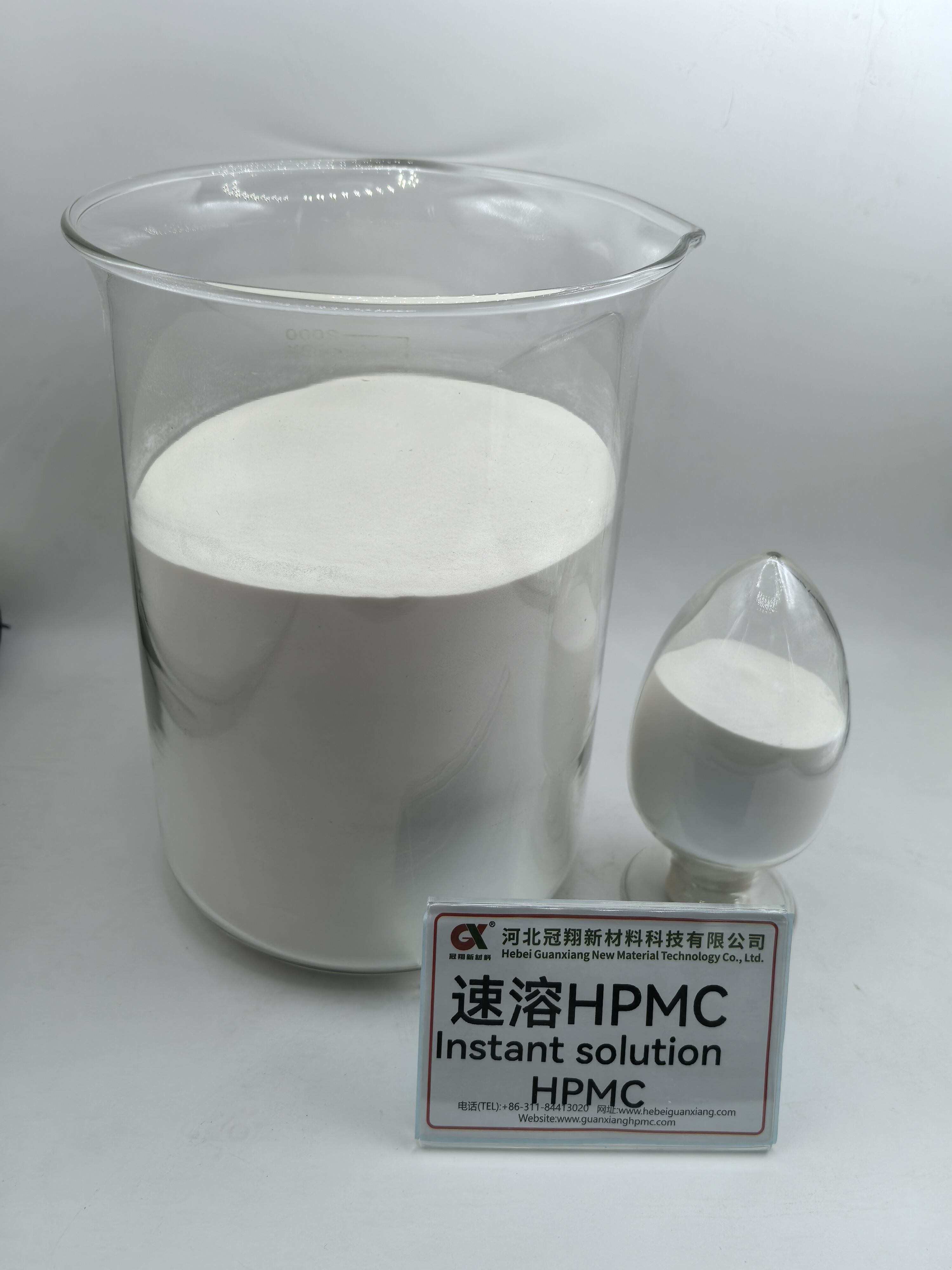
תעשיית הייצור מתמודדת עם לחץ הולך וגובר לאמץ עקרונות בר-קיימא תוך שמירה על תקנים של איכות וביצועי מוצר. אבקת HPMC צמחה להיות תוספת רב-תכליתית שמציעה הן יתרונות פונקציונליים והן שיקולים סביבתיים בתחומים תעשייתיים שונים. הבנת ההשלכות הסביבתיות של שילוב הפולימר המבוסס על סלולוזה הזה בתהליכי ייצור היא קריטית לחברות החותרות לאיזון בין יעילות תפעולית לבין אחריות אקולוגית.
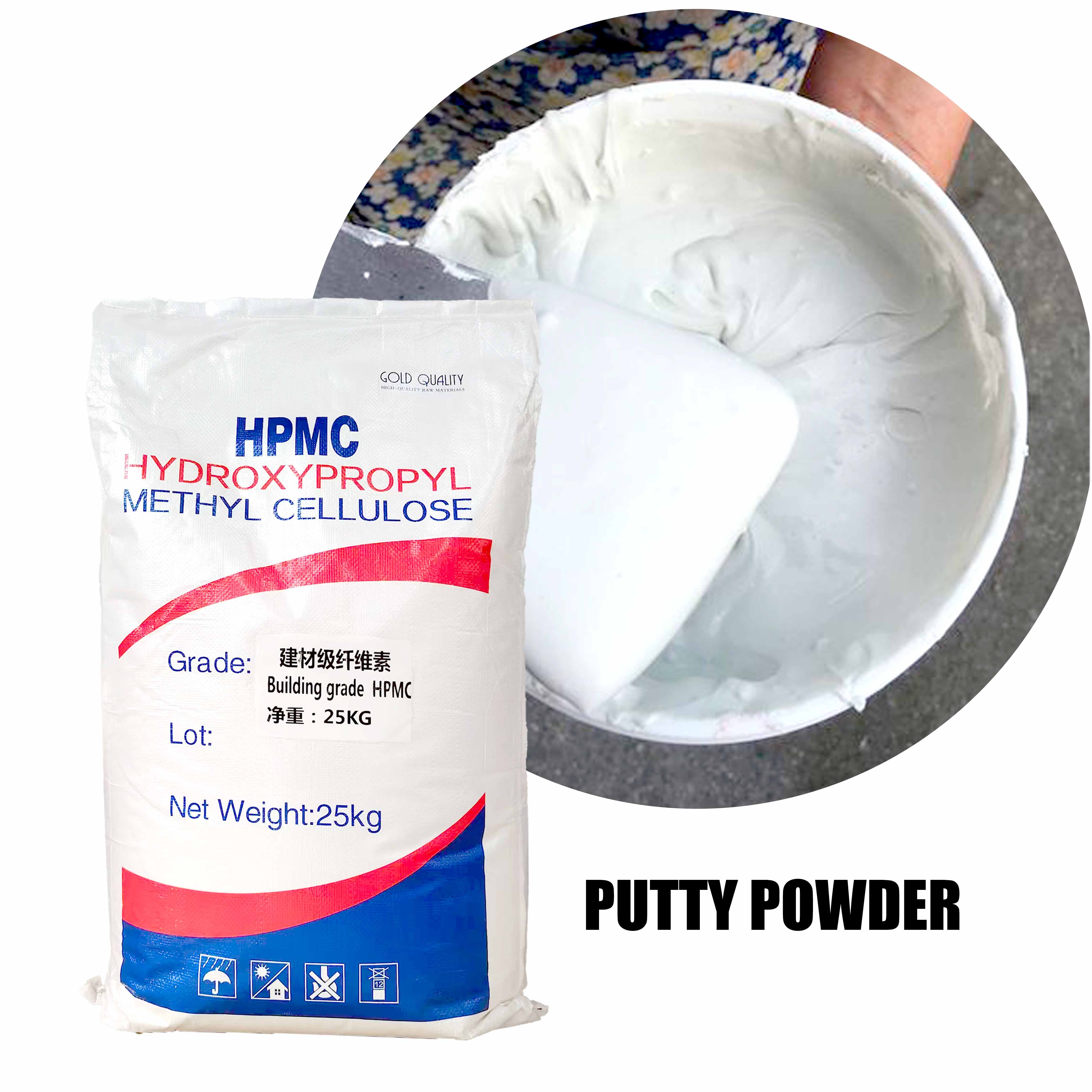
מתקני תעשייה מודרניים מזהים בהדרגה שבחירת החומרים משפיעה ישירות על הדף הסביבתי שלהם. בחירת התוספים, הקושרים ועוזרי העיבוד יכולה להשפיע משמעותית על ייצור פסולת, צריכה של אנרגיה ומדדי קיימות בכלל. ככל שהמסגרות הנומינטיות הופכות מחמירות יותר ויותר והמודעות הצרכנית גדלה, יצרנים חייבים להעריך בקפידה את ההשפעות לאורך מחזור החיים של כל רכיב במערכות הייצור שלהם.
khả degradedות ובטיחות אקולוגית של אבקת HPMC
מקור טבעי ומאפייני פירוק
אבקת HPMC נגזרת ממקורות טבעיים של סלולוזה, בעיקר משמש עץ ופ슬ים של כותנה, שעוברים שינוי כימי מבוקר כדי לשפר את תכונות הביצועים. יסוד טבעי זה מספק יתרונות בקשר ליכולת הפסולת בהשוואה לחלופות של פולימרים סינתטיים. המבנה המולקולרי מאפשר למיקרואורגניזמים הסביבתיים לפצל את החומר באמצעות תהליכים אנזימטיים, בדרך כלל תוך 60 עד 180 יום בתנאי דשן אופטימליים.
תהליך הפירוק מייצר תוצרים לוואי לא רעילים הכוללים פחמן דו-חמצני, מים ותרכובות אורגניות המندمجות באופן טבעי במערכות האקולוגיות של הקרקע. מחקרים מעבדתיים מדגימים כי אבקת HPMC מגיעה לעקרון מינרליזציה מלא שמעל 70 אחוז בתוך פרוטוקולי בדיקה סטנדרטיים לשימור חומרים. מאפיין זה הופך אותו מתאים במיוחד ליישומים שבהם יתכן שחרור לסביבה במהלך השימוש או הסילוק.
תאימות לסביבה מימית
תהליכי ייצור יוצרים לעיתים קרובות זרמי נגרים המכילים מגוון תוספי כימיקלים ועזרי עיבוד. אבקת HPMC מפגין התנהגות טובה בסביבות מימיות, תוך הצגת טוקסיות מינימלית לדגים, אצות ויצורים מימיים אחרים בהערכות אקוטוקסיקולוגיה סטנדרטיות. החומר אינו מתצבר ביולוגית במזון, ולכן מקטין את הסיכונים האקולוגיים לטווח הארוך הקשורים להשלכת תעשייתית.
מתקני טיפול במים יכולים לעבד אבקת HPMC בצורה יעילה באמצעות מערכות טיפול ביולוגיות קונבנציונליות, מבלי צורך בהליכים מיוחדים לטיפול. המבנה הפולימרי מתפרק באופן טבעי באמצעות הידרוליזה ופעולה של חיידקים, מה שמבטל דאגות בנוגע לזיהום אורגני עמיד שיתאגר במיכלים מים. התאמה זו תומכת בעקרונות כלכלה מחזורית על ידי איפשור של שימוש חוזר בטיפול חוזר ובטיפול חוזר במים בתוך מתקני ייצור.
יעילות בשימוש במשאבים וקיימות בחומרים הראשוניים
שימוש במקורות מתחדשים
ייצור אבקת HPMC מבוסס בעיקר על משאבי סלולוזה מתחדשים ולא על נגזרות של דלק מאובנים. סלולוזה ממקור עץ נלקחת מתוך יערות הנוהלים בניהול בר-קיימה, המשתרעים באמצעות מחזורי צמיחה טבעיים, ויוצרים בסיס חומר ראשוני נייטרלי פחמן לאורך זמן. יסוד זה המתחדש מקטין את התלות בכימיקלים מבוססי נפט ותומך בשיטות ניהול יערות שמטרתן לשמור על מגוון ביולוגי ושירותי מערכת אקולוגית.
צלולוזה ממקור כותנה משתמשת בשפכי חקלאים שאלמלא כן היו צריכים בירור או בעירה, ומייצרת ערך ממוצרי הלוואי של ייצור טקסטיל וממוצרอาหาร. שילוב חומרי הפסולת הללו בייצור אבקת HPMC מדגים עקרונות של סימביוזיס תעשייתית, בה פסולת של תעשייה אחת הופכת לקלט יקר ערך של תעשייה אחרת. גישה זו מקטינה את הצריכה הכוללת של משאבים, ובמקביל מפחיתה את אתגרי ניהול פסולת חקלאית.
דרישות אנרגיה לייצור
ייצור אבקת HPMC כולל דרישות אנרגיה מתונות יחסית בהשוואה לתהליכי ייצור של פולימרים סינתטיים. שלבי ההמרה הכימית פועלים בטמפרטורות ונוזלים נמוכים בהשוואה לרבות מהדרכים הסינטטיות מבוססות הנפט, מה שמפחית את צריכה של דלקים מאובנים ואת פליטות גזי החממה ליחידת מוצר. מתקני ייצור מודרניים כוללים מערכות שחזור אנרגיה שאוספות ומשנות שימוש בחום תהליך, ובכך משפרים עוד יותר את היעילות האנרגטית הכוללת.
צורת האבקת מסירה את הצורך בשלבים של ניסור ואקסטרוזיה שדורשים אנרגיה רבה, הדרושים לעיבוד תרמופלסטי, ומאפשרת שילוב ישיר בתהליכי ייצור בטמפרטורת סביבה. אופי זה מפחית את צריכה של אנרגיה במתקני הלקוחות, תוך שמירה על הביצועים הפונקציונליים הנדרשים ליישומים מסוימים. טיפול באבקה היבשה גם מסיר מערכות עיבוד מבוססות מסיסנים היוצרות פליטות של תרכובות אורגניות נדיפות.
הפחתת פסולת ויתרונות כלכלה מעגלית
שיפורי יעילות בתהליך
יישומים תעשייתיים של אבקת HPMC לרוב מביאים להפחתת בזבוז חומרים באמצעות שיפור בקרת העיבוד ועקביות המוצר. התכונות המצוינות של הפולימר ליצירת סרט ולחיבור מאפשרות לייצרנים להשיג את תכונות הביצועים הרצויות עם טעינה כוללת נמוכה יותר של תוספים. יעילות זו מתורגמת לצמצום צריכה של חומרים גולמיים ולצמצום ייצור פסולת לאורך מחזור הייצור.
הטבע המומס במים של אבקת HPMC מקלה על ניקיון ומעבר בין תהליכים בציוד ייצור. ניתן להחליף בין תערובות שונות על خطوط הייצור ללא צורך בניקיון מוגזם בעזרת ממסים או עצירת ארוכה של התהליך, מה שמצמצם את צריכה של סוכני ניקיון כימיים ואת זרמי הפסולת הקשורים להם. האבקה מתמוססת לחלוטין במים בתהליך הייצור, ולכן אין שיירים שיכולים לפגוע באיכות המוצר או לדרוש פרוטוקולי ניקיון קיצוניים.
אפשרויות טיפול בסוף מחזור החיים
מוצרים המכיל אבקת HPMC נהנה ממגוון אפשרויות סילוק ושימור בסוף מחזור החיים, בזכות תכונות התכראות של החומר. מתקני Composting תעשייתיים יכולים לעבד פסולת ייצור שמכילה הפולימר ללא דרישות ייחודיות לטיפול או דאגות סביבתיות. החומר מתפרק לחלוטין בתנאים מבוקרים של Composting, ותורם ערך אורגני למוצרים המשמשים לשדרוג הקרקע.
שריפת אבקת HPMC מייצרת שארית זולה מינימלית ומייצרת החזרת אנרגיה השוותית לחומרים אחרים מבוססי סלולוז. תהליך הבעירה משחרר רק פחמן דו-חמצני ואדי מים, ובכך מונע הפלט של גזים רעילים הקשורים לפולימרים המכילים חלוגנים או גופרית. מאפיין הבעירה הנקי הזה הופך אותו מתאים למערכות של ייצור אנרגיה מפסולת, תוך מינימום השפעה על איכות האוויר.
שקולים להשלכות על פuß האקלים בייצור
פליטת גזי חממה לאורך מחזור החיים
הערכות מחזור חיים מקיפות של אבקת HPMC מציגות מאפייני פuß כדורגל חיוביים בהשוואה לחלופות סינטטיות. חומר הגלם הביולוגי המתחדש קולט פחמן דו-חמצני מהאטמוספירה במהלך גדילתו, ויוצר אפקט של אגירת פחמן שמפחית חלקית את הפליטות בתהליך הייצור. מקורות סלולוזה מיערות יכולים להשיג נייטרליות פחמן כאשר שיטות הקטיף שומרות על מאגרי הפחמן ביער לאורך זמן, באמצעות מחזורי גידול בר-קיימות.
ההשפעות על התחבורה נשארות מינימליות בזכות המאפיינים הקלים של האבקה והיעילות הגבוהה בנפח. אבקת HPMC בדרך כלל נשלחת בריכוזים גבוהים ללא צורך בהגנה מיוחדת או תחבורה בשליטה על הטמפרטורה, מה שפוחת את צריכת הדלק לכל יחידת פונקציה שנשלחת למוספי ייצור. הצורה היציבה של האבקה מונעת דאגות בנוגע לפירוק תSENSITIVE לטמפרטורה במהלך אחסון והתפלגות.
האצת תהליכי ייצור
מוסדות תעשייתיים המשתמשים באבקת HPMC יכולים לצמצם את הד footprint שלהם באמצעות שיפורים בתהליכים שמאפשרים את התכונות הפונקציונליות של החומר. יכולת ההשקייה וتمديد העבודה המצוינת של הפולימר מאפשרת לייצרנים לצמצם שלבים של ערבוב ועיבוד שדורשים הרבה אנרגיה, תוך שמירה על איכות המוצר. יעילויות تشغוליות אלו עוברות ישירות לצמצום הפלט של גזי חממה לכל יחידת מוצר סופי.
יתרונות בקרת איכות הקשורים בשימוש באבקת HPMC מפחיתים את שיעורי הדחייה ואת צורכי העבודה החוזרת בתהליכי ייצור. עקביות מוצר משופרת ממזערת ייצור של פסול ומבטלת את הרגל הפחמנית הקשורה בטיפול בחומרים שלא עומדים בדרישות. היכולת של הפולימר לשפר את יציבות התהליך יוצרת יתרונות סביבתיים מדידים על ידי צמצום צריכה כוללת של משאבים.
השפעות על איכות האוויר והפליטות
הפחתת תרכובות אורגניות מתכפלות
יישומים של אבקת HPMC מאפשרים ליצרנים לעתים קרובות לצמצם או להפוך לאפס את הפליטות של תרכובות אורגניות נדיפות הקשורות במערכות מבוססות מסיס. הפולימר המסיס במים מתמוסס בקלות בתמיסות מימיות, מה שמונע את הצורך במסיסים אורגניים שתרמו להיווצרות אוזון בגובה פני האדמה ולבעיות באיכות האוויר ב помещения סגורים. החלפה זו מספקת יתרונות סביבתיים מיידיים תוך שמירה על מאפייני הביצועים הנדרשים.
מתקני ייצור המשתמשים באבקת HPMC דיווחו על שיפור באיכות האוויר במקום העבודה, כתוצאה מהסרת אדי ממסים והמגרדים التنفשיים הקשורים להם. צורת האבקה ממזערת את ייצור האבק במהלך הטיפול, כאשר מתקיימות עקרונות תקן של היגיינה תעסוקתית, ומייצרת תנאים בטוחים יותר לעבודה ובמקביל מפחיתה שחרור לסביבה. שיפורים אלו תומכים בהתאמה לדרישות רגולטוריות של תקנים מחמירים בהדרגה לאיכות אוויר.
שקולים בנושא חומר חלקיקי
טיפול מתאimated באבקת HPMC דורש תשומת לב לאמצעי בקרה על אבק, כדי למנוע שחרור חומר חלקיקי במהלך פעולות העברה וערבוב. מתקנים תעשייתיים מיישמים מערכות טיפול סגורות, אזלון מקומי, וציוד לאיסוף אבק כדי למזער חלקיקים באוויר. אמצעי הבקרה הללו מגינים הן על בריאות העובדים והן על איכות האוויר הסביבתית, תוך ודאות בשימוש יעיל בחומר.
הרכב הסלולוזי של אבקת HPMC גורם לכך שפליטת חומרים אלו, במקרה של שחרור לא מכוון, תכיל חלקיקים אורגניים מתפרקים ולא חומרים סינתטיים עמידים. ניטור סביבתי בסביבת מתקני ייצור מראה הצטברות מינימלית של אבקות מבוססות סלולוזה בדגימות קרקע וצמחייה, מה שמאמת את התאימות הסביבתית של החומר כאשר נשמרות הליכי טיפול מתאימים.
ניהול משאבי מים וטיפול בהם
דפוסי צריכה של מים
תהליכי ייצור המשתמשים באבקת HPMC לרוב מציגים ש Verbesserung ביעילות השימוש במים הודות לתכונות השמירה על מים המרשימות של הפולימר. החומר עוזר באופטימיזציה של ההידרציה ביישומים שונים, ובכך מקטין את דרישות המים הכוללות תוך שמירה על מאפייני העיבוד הרצויים. יעילות זו היא חשובה במיוחד באזורים חסרי מים, בהם חייבים מתקני תעשייה להקטין עד כמה שניתן את צריכה המים המתוקים.
הטבע הידרו-סולי של אבקת HPMC מקלה על מחזור מי התהליך בתוך מערכות ייצור. ניתן לשחזר ולריכוז את הפולימר המומס באמצעות טכנולוגיות הפרדת קרום, מה שמאפשר למוסדות להשתמש חוזר במי תהליך שעברו טיפול מספר פעמים לפני צורך בכניסה חדשה. גישה זו של לולאה סגורה מצמצמת בצורה ניכרת את צריכה המים הכוללת, תוך מינימיזציה של ייצור שפכים.
תאימות לטיפול בשפכים
זרמי שפכים תעשייתיים שמכילים אבקת HPMC מגיבים היטב לתהליכים ביולוגיים קונבנציונליים המשמשים ברוב מתקני הייצור. הפולימר הביודגרדבילי מספק מקורות פחמן זמינים למערכות של שוחפת מופעלת, ובכך עשוי לשפר את יעילות הטיפול הכוללת. רמות הצריכה הביולוגית של חמצן נותרות בר-נהל, מבלי ליצור צורך בציוד טיפול מיוחד או בזמני שהות ממושכים.
תפלה מעובדת ממתקנים המשתמשים באבקת HPMC עשויה לרוב לעמוד בדרישות הפליטה מבלי צורך במערכות טיפול טרטיות מתקדמות. העדרה של תרכובות אורגניות מתמשכות או מתכות כבדות המקושרות לאפשרויות סינטטיות מסוימות מפשט את ההתאמה להוראות הסביבתיות. התאמה זו לטיפול מקלה על ירידת עלויות תפעול תוך תמיכה במטרות הגנת הסביבה.
שאלות נפוצות
כיצד מתחרה אבקת HPMC עם פולימרים סינטטיים מבחינת ההשפעה על הסביבה
אבקת HPMC מציעה יתרונות סביבתיים משמעותיים לעומת פולימרים סינתטיים בשל בסיס הסלולוזה המתחדש שלה והתפרקותה הביולוגית המלאה. בניגוד לפולימרים מוצרי נפט הנשארים בסביבה במשך עשורים, אבקת HPMC מתפרקת באופן טבעי תוך מספר חודשים בתנאים מתאימים. תהליך הייצור מצריך פחות אנרגיה ומייצר שחרורים מינימליים של גזי חממה בהשוואה לייצור פולימרים סינתטיים, בעוד שאפשרויות הסילוק בסוף מחזור החיים כוללות הדגרה ושריפה בטוחה ללא שחרור חומרים רעילים.
אילו אמצעים צריכים יצרנים לנקוט כדי לצמצם את ההשפעות הסביבתיות בעת שימוש באבקת HPMC
יצרנים צריכים ליישם מערכות בקרת אבק מתאימות במהלך הטיפול כדי למנוע שחרור של חלקיקים, לדייק את הכמות כדי לצמצם את ההפסדים, ולבטיח טיפול תקין בשפכים כדי לנהל את הפולימר המומס. ניטור שגרתי של איכות האוויר באזורים שבהם מתבצע הטיפול, הדרכת עובדים על הליכי טיפול מתאימים ושימור ציוד למניעת דליפות הם חיוניים. בנוסף, יש לשקול אצל מתקנים יישום של מערכות מים במחזור סגור כדי למקסם את יעילות המשאבים ולצמצם עד כמה שניתן את השפעתם הסביבתית הכוללת.
האם אפשר לשחזר או להחזיר לאילוף אבקת HPMC מזרמי הפסולת בתהליכי ייצור
כן, ניתן לשחזר אבקת HPMC מזרמי פסולת מימיים באמצעות שיטות הפרדה בעזרת ממברנות, אידוי או שיקוע. החומר השמור עשוי להיות מתאים לשימוש חוזר ביישומים פחות דרמטיים, אם כי מומלץ לבצע בדיקות איכות כדי להבטיח שהדרישות לביצועים מתקיימות. בנוסף, פסולת ייצור שמכילה אבקת HPMC יכולה להספג או לעבד באמצעות מערכות עיכול אנאירוביים לשם ייצור גז ביולוגי, מה שמאפשר שחזור אנרגיה וניהול פסולת באופן בר-קיימא.
מהן ההשפעות ארוכות הטווח על הקרקע אם אבקת HPMC חודרת לסביבה
אבקת HPMC יוצרת השפעה מינימלית על הקרקע לאורך זמן הודות לטיבן הביודגרדבילי של החומר ולמוצרים שלו פירוק לא-רעילים. כאשר הפולימר מתפרק בסביבות קרקע, הוא מייצר פחמן דו-חמצני, מים ותרכובות אורגניות שמשתלבות באופן טבעי במערכות האקולוגיה של הקרקע. מחקרים אינם מצביעים על תופעת ריכוז ביולוגי או טוקסיות לצמחייה, והפירוק עשוי אף לתרום חומר אורגני מועיל למערכות הקרקע. החומר אינו משנה באופן משמעותי את ערך ה-pH של הקרקע ומאפשר פעילות מיקרוביאלית תקינה במהלך התהליך של פירוק ביולוגי.