 EN
EN
 AR
AR
 CS
CS
 DA
DA
 NL
NL
 FI
FI
 FR
FR
 DE
DE
 EL
EL
 HI
HI
 IT
IT
 JA
JA
 KO
KO
 NO
NO
 PL
PL
 PT
PT
 RO
RO
 RU
RU
 ES
ES
 SV
SV
 IW
IW
 ID
ID
 SR
SR
 SK
SK
 UK
UK
 VI
VI
 HU
HU
 TH
TH
 TR
TR
 AF
AF
 MS
MS
 CY
CY
 IS
IS
 BN
BN
 LO
LO
 LA
LA
 NE
NE
 MY
MY
 KK
KK
 UZ
UZ


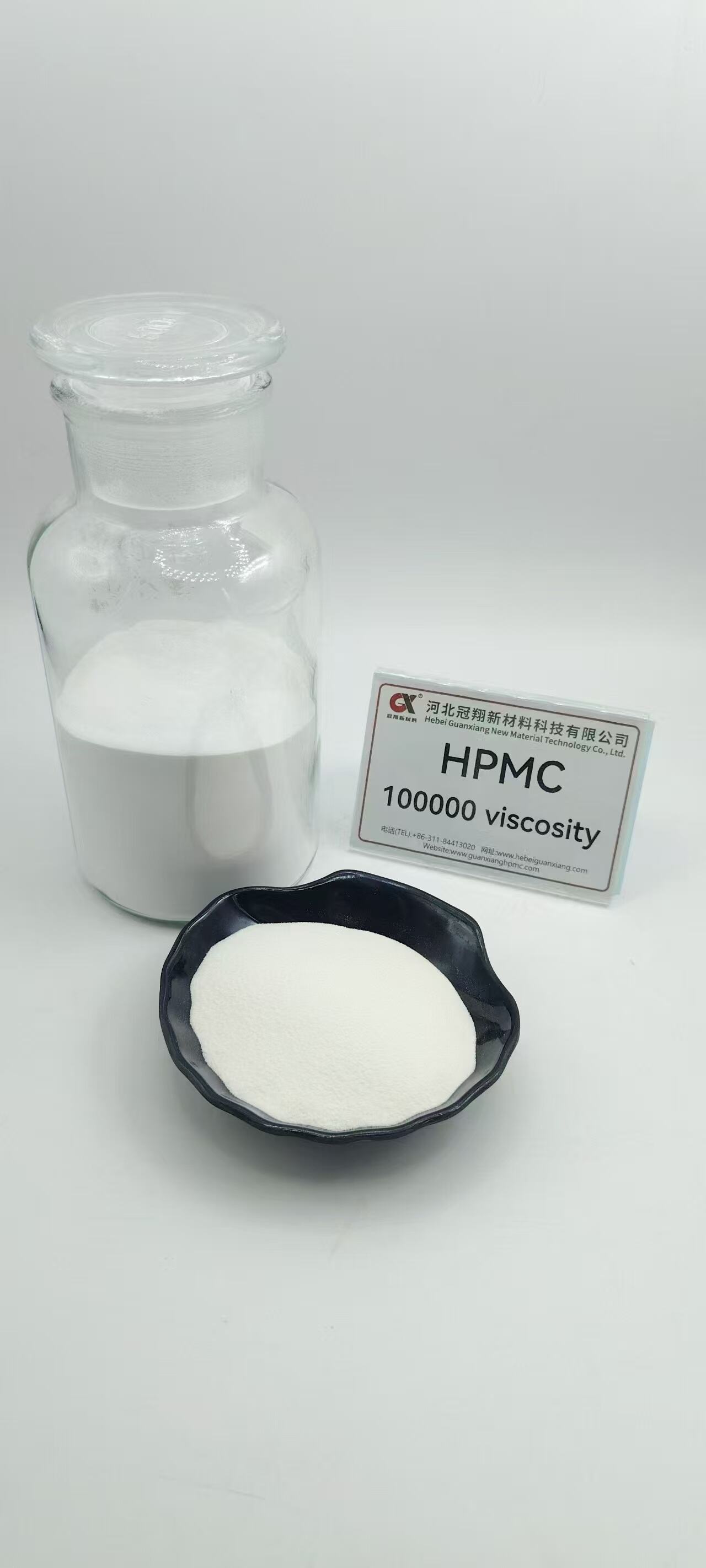
במהלך העשור האחרון התפתחה תעשית הקרמיקה בצורה משמעותית בתהליכי הייצור ובתערובות החומרים. בין ההישגים החשובים ביותר ניתן לציין את שילובו של HPMC (הידרוקסיפרופיל מתיל צלולוז) בדרגת קרמיקה בתערובות קרמיקה, מה ששינה את הדרך בה יצרנים משיגים עוצמה מרשימה ושימור מים. דרגת HPMC المتוייכת זו מייצגת פריצת דרך בטכנולוגיית קרמיקה, ומציעה שליטה חסרת תקדים בתכונות ביצועים חשובות שהן משפיעות ישירות על איכות המוצר וכמו כן על יעילות הייצור.
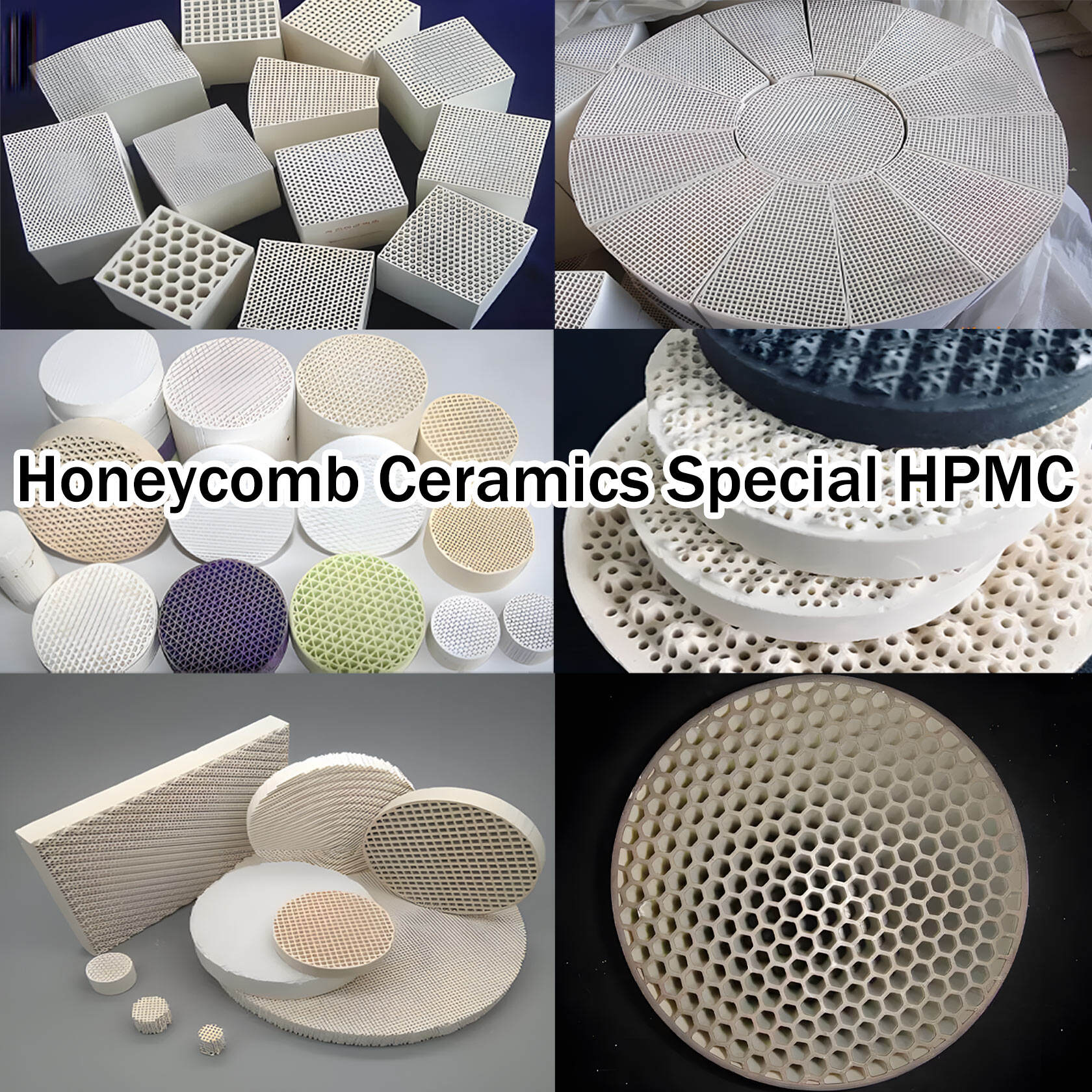
הכרת התכונות הבסיסיות ויישומים של HPMC בדרגת קרמיקה היא חיונית לייצרני קרמיקה המחפשים לדייק את תערובותיהם. תוסף זה, שמבוסס על סלולוז, פועל כסוכן רב-תכליתי שמגביר מגוון היבטים בתהליך ייצור הקרמיקה, תוך שמירה על תאימות עם חומרי קרמיקה מסורתיים. המבנה המולקולרי הייחודי של HPMC בדרגת קרמיקה מאפשר לו לספק יכולות קשירה מתקדמות, שיפור בעבודתיות ומאפיינים משופרים של המוצר הסופי, המקיימים תקנים תעשייתיים מחמירים באופן הולך וגדל.
תכונות בסיסיות של HPMC בדרגת קרמיקה
מבנה וכימיה
הבסיס הכימי של HPMC בדרגת קרמיקה נמצא בשיבוט הסלולוז המותאם, שמכיל תחליפים של הידרוקסיפרופיל ומטיל ביחסים מבוקרים בקפידה. ארכיטקטורת המולקולרית הספציפית הזו מספקת לחומר יציבות תרמית יוצאת דופן והתאמה לנוסחאות קרמיקה. דרגת התחלוף ב-HPMC בדרגת קרמיקה מותאמת כדי לספק ביצועים מרביים ביישומים בטמפרטורות גבוהות, תוך שמירה על תכונות ריאולוגיות עקביות לאורך כל תהליך הייצור.
אורך שרשרת הפולימר והתפלגות המשקל המולקולרי של HPMC בדרגת קרמיקה מעוצבים באופן מדויק כדי להשיג תכונות התמוססות אופטימליות ותכונות ייצור סרטים. פרמטרים מולקולריים אלו משפיעים ישירות על יכולת החומר לשפר שמירה על מים ולספק חיזוק מכני בתוך מטריצות קרמיקה. האיזון המחושב בין הידרופובי-הידרופילי מבטיח ש-HPMC בדרגת קרמיקה ישאר אפקטיבי בתנאי לחות שונים ובסביבות עיבוד שונות.
מאפיינים פיזיים ומדדי ביצועים
HPMC בדרגת קרמיקה מציג תכונות פיזיות ייחודיות המבדילות אותו מדרגות HPMC סטנדרטיות המשמשות ביישומים אחרים. התפלגות גודל החלקיקים מאופטמת להידרציה מהירה ופיזור אחיד בתוך תערובות קרמיקה, מה שמבטיח ביצועים עקביים לאורך פעולות הלוט. עngth וחוזק הג'ל של HPMC בדרגת קרמיקה מותאמים במיוחד כדי לספק עיסוי מספיק תוך שמירה על תכונות זרימה מתאימות במהלך פעולות יציקה.
מאפייני פירוק תרמי מייצגים היבט קריטי נוסף של ביצועי HPMC בדרגת קרמיקה. החומר מפגין יציבות תרמית יוצאת דופן עד לטמפרטורות המתקרבות ל-200 מעלות צלזיוס, מה שמאפשר זמני עיבוד ארוכים ללא פירוק. עמידות תרמית זו מבטיחה שההשפעות המועילות של hPMC בדרגת קרמיקה ישמרו לאורך כל מחזור הייצור, החל מערבוב ראשוני ועד פעולות הבערה סופיות.
מנגנוני שיפור שמירת מים
אינטראקציה מולקולרית עם חלקיקי קרמיקה
יכולת שמירת המים של HPMC בדרגת קרמיקה נובעת מהיכולת הייחודית שלו ליצור קשרי מימן עם מולקולות מים וגם עם פני השטח של חלקיקי הקרמיקה. מנגנון הקשר הכפול הזה יוצר רשת הידרציה יציבה שמונעת איבוד לחות מוקדם במהלך שלבי הייצור והייבוש הקריטיים. קבוצות ההידרוקסיל והאתר הקיימות במבנה HPMC בדרגת קרמיקה מקלות על האינטראקציות האלה, ויוצרות שכבת הגנה של לחות סביב חלקיקי הקרמיקה.
תופעות ספיגת שטח ממלאות תפקיד מרכזי באיך HPMC בדרגת קרמיקה משפר את שמירת המים. שרשראות הפולימר מסתדרות בממשק בין החלקיק למים, ומייצרות שכבת מים מאורגנת שמגיבה להתאדות ומספקת שימון להזזה של חלקיקים. מנגנון זה יעיל במיוחד עם אבקות קרמיקה עדינות שבהן היחס בין שטח פנים לנפח הוא גבוה, מה שהופך את ניהול הלחות לחשוב לצורך עיבוד מוצלח.
יצירת הידרוג'ל וניהול לחות
כאשר מתמוסס במים, HPMC בדרגת קרמיקה יוצר הידרוג'לים תרמורברסיביים בעלי יכולת אחזקת מים יוצאת דופן. המבנים הג'לניים יוצרים מאגרים מיקרוסקופיים לאורך כל המטריצה הקרמית, ומספקים שחרור לחות מתמשך במהלך תקופות עיבוד ארוכות. ניתן לכייל את חוזק הג'ל וכושר הקשירה של המים של HPMC בדרגת קרמיקה באמצעות בקרת ריכוז, מה שמאפשר לייצר להתאים בדיוק את מאפייני שמירת הלחות ליישומים מסוימים.
הרגישות לטמפרטורה של הידרוג'לים מדרגת HPMC נשלבת בקרמיקה מספקת יתרונות נוספים בשליטה בתהליך. ככל שהטמפרטורות עולות במהלך פעולות ייבוש, משחרר ההידרו-ג'ל באופן הדרגתי את המים הקשורים בצורה מבוקרת, ומונע אובדן מהיר של רטיבות שיכול להוביל ל образования של סדקים או אי יציבות ממדית. מנגנון שחרור זה מבטיח ייבוש אחיד ומצמצם את היווצרות הפגמים במוצרים קרמיים גמורים.
יישומי חיזוק חוזק
חיזוק גוף ירוק
ה הכנסת HPMC מדרגת קרמיקה לתערובות קרמיקה משפרת משמעותית את חוזק הגוף הירוק באמצעות מנגנוני חיזוק מרובים. שרשרות הפולימר יוצרות רשת מחוברת בתוך המטריצה הקרמית, ומספקות תמיכה מכנית שמפחיתה את הסיכון לנזק בהעברה במהלך עיבוד. אפקט החיזוק בולט במיוחד ברכיבים קרמיים דקיקים או בעלי צורה מורכבת, בהם שלמות מכנית היא קריטית לייצור מוצלח.
הצמדת חלקיקים מייצגת מנגנון הגברה חשוב נוסף שמספק HPMC בדרגת חימר. שרשרות הפולימר האורכות עוטפות פערים בין חלקיקי החימר, ומייצרות מסלולי העמסה נוספים שפועלים על הפצת מתח בצורה יעילה יותר בכל חומר. אפקט ההעתק הזה חשוב במיוחד בתערובות חימר בנפח נמוך, בהן הקשר בין חלקיק לחלקיק מוגבל, ובה נדרש חיזוק נוסף כדי להשיג חוזק יד חזק מספיק.
תמיכה בסינטרון ותכונות המוצר הסופי
במהלך פעולות סינטרון בטמפרטורות גבוהות, HPMC בדרגת חימר עובר פירוק תרמי מבוקר שממשיר אחריו שארית פחמן שיכולה להשפיע על התנהגות הסינטרון. שארית זו פועלת כסוכן ייחום זמני, ויוצרת תנאים אטמוספריים מקומיים שיכולים לקדם דחיסות ולבקר את גידול הגרעינים. ניתן לשלוט בזמן ובמידת הפירוק הזה באמצעות בחירת HPMC בדרגת חימר ובעזרת פרמטרי עיבוד.
התכונות המכניות הסופיות של חומרי קרמיקה שמכילים HPMC בדרגת קרמיקה לעתים קרובות עולות על אלו של תערובות לא משופרות, בזכות אחידות מיקרו-מבנה משופרת שנוצרת במהלך העיבוד. תכונות ייחודיות משופרות של גוף רך מקטינות את היווצרות פגמים הנגרמים בעקבות עיבוד, שיכולים לפגוע בחוזק הסופי. בנוסף, התנהגות יבוש משופרת מפחיתה את היווצרות מתח פנימי שיכול להוביל ליצירת סדקים מיקרוסקופיים במוצר הסופי.
אסטרטגיות אופטימיזציה של עיבוד
הנחיות תבנית והנחיות ערבוב
יישום מוצלח של HPMC בדרגת קרמיקה דורש תשומת לב רבה לנהלי הערבוב ולסדר הוספת החומרים. יש לפזר את הפולימר בהדרגה במים לפני הוספת אבקות הקרמיקה, כדי להבטיח הידרציה מלאה והתפזרות אחידה. חשוב לשלוט בטמפרטורה במהלך הערבוב, כיוון ש excessive חום עלול לגרום לצמיחה מוקדמת של ג'ל והתפזרות לא אחידה של HPMC בדרגת קרמיקה בכל התערובת.
רמות ריכוז אופטימליות ל-HPMC בדרגת קרמיקה נעות בדרך כלל בין 0.1% ל-0.5% לפי משקל של אבקה יבשה, בהתאם לדרישות היישום הספציפיות ולמאפיינים הרצויים. ייתכן שדרישות יישומים מאתגרים הכוללים אבקות עדינות או צורות גאומטריות מורכבות יידרשו לריכוזים גבוהים יותר, בעוד שרמות נמוכות יותר עשויות להספיק ליישומים סטנדרטיים בהם שיפורים צנועים בתכונות הם מספיקים.
בקרת איכות וניטור ביצועים
נהלי בקרת איכות יעילים ליישומים של HPMC בדרגת קרמיקה חייבים להתייחס גם למאפייני החומר الخام וגם למצייני ביצועים בתהליך. בדיקת חומרים בהגעה צריכה לאשר את המשקל המולקולרי, דרגת ההחלפה ותכולת הלחות כדי להבטיח עקביות עם הדרישות המוגדרות. מדידות קבועות של צמיגות של תמיסות מוכנות מספקות תובנות לגבי יעילות ההידרציה ובעיות פגירה אפשריות.
טכניקות ניטור תהליך צריכות להתמקד באינדיקטורים קריטיים של ביצועים, כגון חוזק גוף ירוק, התכווצות יבוש ודרגות שמירת רטיבות. פרמטרים אלו מספקים אינדיקציה מוקדמת ליעילות של HPMC בדרגת חרסינה ומאפשרות התאמות בזמן אמת לשמירה על איכות המוצר. ניתן ליישם שיטות של בקרת תהליכים סטטיסטית כדי לעקוב אחר מגמות ביצועים ולזהות הזדמנויות לאופטימיזציה.
יישומים תעשייתיים ומחקרים מובאים לדוגמה
יישומים בייצור אריחים
תעשיית האריחים החרסינה אימצה בצורה נרחבת HPMC בדרגת חרסינה כדי להתמודד עם אתגרים הקשורים לייצור אריחים בגודל גדול ולהרכבות דקות. העצמת החוזק הירוק שמספק HPMC בדרגת חרסינה מאפשרת ייצור של אריחים גדולים יותר בעובי מצומצם, תוך שמירה על מאפיינים מתאימים לטיפול בתהליך הייצור. יכולת זו הייתה מהותית בכדי לעמוד בביקוש השוק לאריחים אדריכליים קלים ובפורמט גדול.
תהליכי יישום זכוכית מושפעים לטובה מתכונות שימור המים של HPMC בדרגת קרמיקה, המשולב בגוף האריחים. שחרור התרתי המנוהל של הלחות מונע ייבוש מהיר של הזכוכית המיושמת, מקטין את תופעת הכשלים ביישום ומשפר את איכות הפנים. אפקט זה חשוב במיוחד במערכות זכוכית אוטומטיות שבהן תנאים עקביים של לחות חיוניים להשקעה אחידה של השכבה.
איטמי שירות ואבני בניין מורכבים
צורות קרמיקה מורכבות, כגון רכיבי איטמי שירות, מציגות אתגרים ייחודיים שניתן להתמודד איתם בצורה יעילה באמצעות שילוב HPMC בדרגת קרמיקה. התכונות הפלסטיותVerbeterde והרגישות הנמוכה לייבוש מאפשרות ייצור של גיאומטריות מורכבות עם מיעוט עיוות או סדקים. העצמה האינטגלית Verbeterde מאפשרת זמן מגע קצר יותר עם התבנית וגדילה בנפח הייצור, מבלי לפגוע באיכות המוצר.
יישומי יציקת הزلיפה נהנים מהשינוי הריאולוגי שמספק HPMC בדרגת קרמיקה, אשר משפר את יציבות תערובת הצלפת ומצמצם שיקוע. מאפייני שמירת המים המנוהלים מבטיחים עובי קיר אחיד ומצמצמים את התרחשותה של שונות בצפיפות שעלולה לפגוע בביצועי המוצר הסופי. היתרונות האלה מתורגמים ישירות לשיפור התפוקה וצמצום שיעורי הדחייה בייצור מסחרי.
התפתחויות עתידיות וטרנדים טכנולוגיים
אסטרטגיות תבנית מתקדמות
מגמות חדשות בטכנולוגיית HPMC בדרגת קרמיקה מתמקדות בפיתוח דרגות מיוחדות שמותאמות ליישומים קרמיים ספציפיים ולתנאי עיבוד מסוימים. נעשה שימוש בגישות עיצוב מולקולרי מתקדמות כדי ליצור גרסאות עם יציבות חום משופרת, תאימות משופרת למערכות קרמיות מסוימות, ומאפייני ביצועים אופטימליים לטכנולוגיות ייצור חדשות כגון הדפסה תלת-ממדית וייצור דיגיטלי.
שילוב של ננוטכנולוגיה מייצג חזית נוספת בפיתוח HPMC מדרגת חימר, עם מחקר שמתמקד בהטמעת ננו-חלקיקים כדי לשפר תכונות מסוימות כגון חוזק, עמידות חום או מוליכות חשמלית. מערכות היברידיות אלו שומרות על תכונות העיבוד המועילות של HPMC מדרגת חימר, תוך הוספת פונקציונליות חדשה שמרחיבה את אפשרויות היישום בשווקים מתקדמים של חימר.
תומך בקיימנויות ותחשבוּר אקולוגי
יוזמות של סostenibilità סביבתית מובילות את הפיתוח של חלופות ביולוגיות ל-HPMC מדרגת חימר ושיטות מחזור משופרות לפסולת ייצור של חימר. מאמצי המחקר מתמקדים באופטימיזציה של ניצול חומרי הגלם, בהפחתת צריכה של אנרגיה בתהליך העיבוד ובפיתוח מערכות ייצור של מחזור סגור שמפחיתות עד כמה שניתן את ההשפעה הסביבתית, תוך שמירה על תקני ביצועים של המוצר.
שיטות הערכת מחזור חיים מופעלות ליישומי HPMC בדרגת קרמיקה כדי למדוד את היתרונות הסביבתיים ולזהות הזדמנויות לאופטימיזציה. המחקרים הללו מראים שהשיפורים בעיבוד ש-HPMC בדרגת קרמיקה מאפשרת מביאים לעתים קרובות להשפעה סביבתית חיובית נטו, באמצעות צמצום צריכה של אנרגיה, שיפור התפוקה והארכה של חיי השירות של המוצר.
שאלות נפוצות
מהי הריכוז האופטימלי של HPMC בדרגת קרמיקה עבור רוב יישומי החרסינה
הריכוז האופטימלי נע בדרך כלל בין 0.1% ל-0.5% לפי משקל של אבקת קרמיקה יבשה, בהתאם לדרישות היישום הספציפיות. ליישומים סטנדרטיים, ריכוז של 0.2% עד 0.3% מספק שיוויון מצוין בין שיפור תכונות לבין השפעה שלילית על תכונות אחרות. יישומים המשתמשים באבקה עדינה עשויים להידרש לריכוזים גבוהים יותר, עד 0.5%, בעוד חומרים גסים יותר פעמים רבים מתנהגים היטב עם ריכוזים נמוכים יותר, בסביבות 0.1% עד 0.15%.
כיצד משפיע HPMC בדרגת קרמיקה על התנהגות הבעירה והתכונות הסופיות של החרסינה
HPMC מדרגה קרמית עובר פירוק תרמי מלא במהלך הבעירה, ומשאיר שאריות מינימליות שאינן משפיעות באופן משמעותי על תכונות הסרמיקה הסופיות. היתרונות העיקריים מופיעים בשלבי עיבוד באמצעות שיפור בקשיחות הירוקה והתנהגות יבוש מבוקרת. ייתכן שחלק מצורות יראו שיפור קל בעוצמה הסופית עקב הפחתת כשלים הנובעים מעיבוד, אך העדיפות העיקרית מושגת בתהליך ייצור ולא בתכונות לאחר הבעירה.
האם ניתן להשתמש ב-HPMC מדרגה קרמית עם כל סוגי החומרים הקרמיים ושיטות העיבוד?
HPMC בדרגת קרמיקה מציג תואם מمتاز עם רוב חומרי הקרמיקה, כולל מערכות טרדיציונליות מבוססות חימר, קרמיקה טכנית מתקדמת והרכבי כוורת. הוא פועל ביתרון עם שיטות עיבוד שונות, ביניהן דחיסה, יציקה, דחיפה וייצוב, אך ייתכן שתצטרכו התאמות ייחודיות בתבנית כדי למקסם את הביצועים עבור מערכות חומרים או תנאים ייחודיים.
אילו שיקולים של אחסון וטיפול חשובים עבור HPMC בדרגת קרמיקה
HPMC בדרגת חימר יש לאגור בתנאים יבשים עם רטיבות יחסית מתחת ל-65% כדי למנוע ספיגת לחות וצברור אפשרי. טמפרטורת האחסון צריכה להישמר בין 5°C ל-25°C לצורך יציבות אופטימלית. על החומר לשמש תוך שנתיים ממועד הייצור כאשר מאוחסן כראוי, והכלי עליו יש לסגור מיד לאחר שימוש כדי למנוע חדירת לחות ושחיקה באיכות.