 EN
EN
 AR
AR
 CS
CS
 DA
DA
 NL
NL
 FI
FI
 FR
FR
 DE
DE
 EL
EL
 HI
HI
 IT
IT
 JA
JA
 KO
KO
 NO
NO
 PL
PL
 PT
PT
 RO
RO
 RU
RU
 ES
ES
 SV
SV
 IW
IW
 ID
ID
 SR
SR
 SK
SK
 UK
UK
 VI
VI
 HU
HU
 TH
TH
 TR
TR
 AF
AF
 MS
MS
 CY
CY
 IS
IS
 BN
BN
 LO
LO
 LA
LA
 NE
NE
 MY
MY
 KK
KK
 UZ
UZ


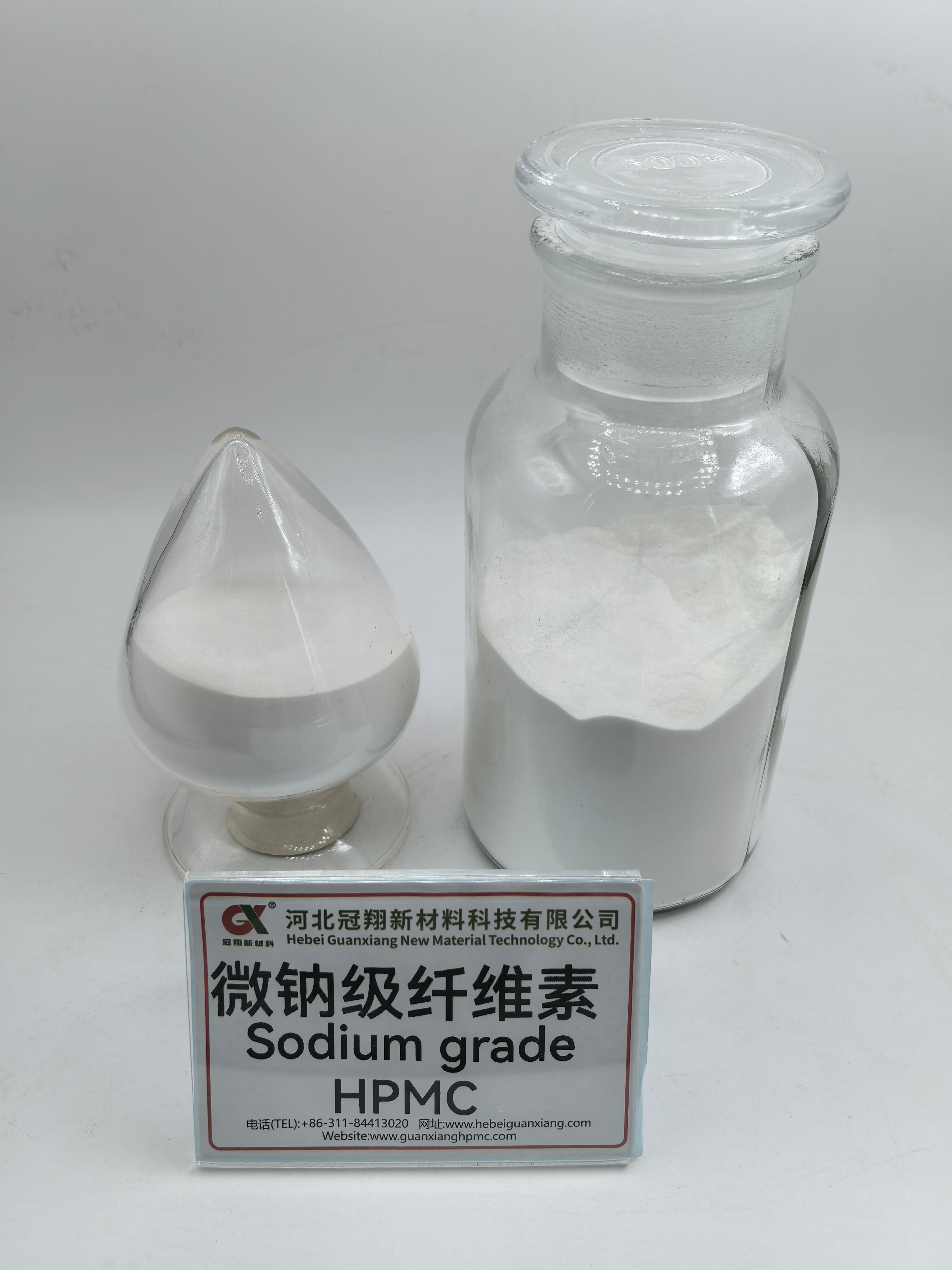
Hydroxypropyl Methyl Cellulose has become an indispensable additive in modern construction materials, particularly in dry mix systems where stability and performance are paramount. This versatile polymer offers exceptional water retention properties, improved workability, and enhanced adhesion characteristics that make it the preferred choice for manufacturers worldwide. HPMC serves as a critical binding agent that transforms ordinary dry mix formulations into high-performance construction solutions capable of withstanding demanding environmental conditions.
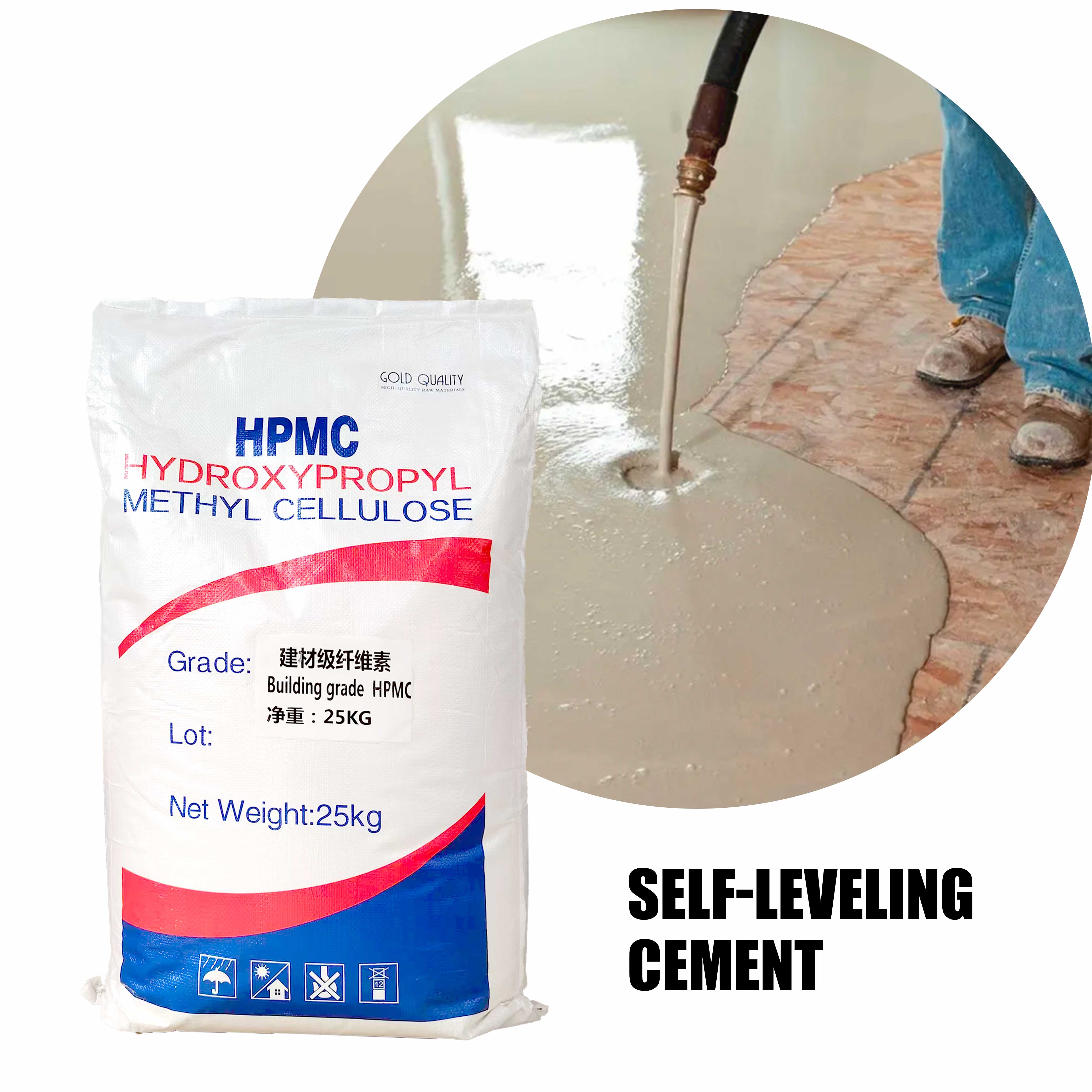
The widespread adoption of HPMC in dry mix systems stems from its unique molecular structure and chemical properties that address multiple formulation challenges simultaneously. Unlike traditional additives that serve single purposes, HPMC delivers comprehensive performance enhancement across various application parameters. Its ability to modify rheological behavior while maintaining chemical stability makes it an ideal solution for complex dry mix formulations that require consistent performance across different environmental conditions.
Chemical Properties and Mechanism of Action
Molecular Structure and Functionality
The effectiveness of HPMC in dry mix systems originates from its unique cellulose-based molecular structure that has been chemically modified through hydroxypropyl and methyl substitution. This modification process creates a polymer with exceptional solubility characteristics and film-forming properties that significantly enhance the performance of dry mix formulations. The degree of substitution directly influences the polymer's behavior in aqueous environments, allowing manufacturers to select specific HPMC grades that match their exact application requirements.
When HPMC dissolves in water, it forms a three-dimensional network structure that traps water molecules and creates a gel-like consistency. This mechanism provides extended open time for construction workers while maintaining the necessary viscosity for proper application. The polymer chains interact with cement particles and other components in the dry mix, creating stronger intermolecular bonds that improve overall system stability and durability.
Water Retention Characteristics
Water retention represents one of the most critical functions of HPMC in dry mix systems, as it directly impacts hydration efficiency and final product strength. The polymer's ability to form hydrogen bonds with water molecules prevents rapid moisture loss through evaporation or substrate absorption. This controlled water release mechanism ensures that cement hydration proceeds optimally, resulting in stronger, more durable construction materials.
The water retention capacity of HPMC varies depending on its molecular weight, degree of substitution, and concentration in the formulation. Higher molecular weight grades typically provide superior water retention, while the hydroxypropyl content influences the polymer's interaction with water molecules. This flexibility allows formulators to fine-tune water retention properties to match specific application requirements and environmental conditions.
Applications in Tile Adhesive Systems
Adhesion Enhancement Properties
In tile adhesive formulations, HPMC plays a crucial role in developing strong, durable bonds between ceramic tiles and substrate surfaces. The polymer's film-forming properties create a flexible interface that accommodates minor substrate movements while maintaining adhesive integrity. This characteristic proves particularly valuable in large-format tile installations where thermal expansion and contraction can stress the adhesive layer.
The presence of HPMC in tile adhesive systems also improves wet adhesion properties, allowing tiles to maintain their position even when exposed to moisture during the curing process. This benefit significantly reduces tile slippage and ensures proper alignment during installation, leading to higher-quality finished surfaces and reduced installation time.
Workability and Application Benefits
The rheological modification provided by HPMC transforms the working characteristics of tile adhesive systems, making them easier to mix, apply, and finish. The polymer acts as a thickening agent that increases the adhesive's consistency while maintaining spreadability and trowelability. This balance between viscosity and workability allows contractors to achieve consistent coverage patterns and proper tile embedment.
Extended open time represents another significant advantage of HPMC incorporation in tile adhesive systems. The polymer's water retention properties slow the drying process, providing installers with additional working time to position and adjust tiles before the adhesive sets. This characteristic proves especially valuable in large installation projects where maintaining consistent working conditions can be challenging.
Performance in Self-Leveling Compounds
Flow Control and Leveling Properties
Self-leveling compounds require precise rheological control to achieve optimal flow characteristics while preventing segregation and bleeding. HPMC serves as an effective flow modifier that maintains the compound's self-leveling properties while providing sufficient thixotropy to prevent over-flow and edge loss. The polymer's shear-thinning behavior allows the material to flow smoothly during application while developing adequate viscosity at rest.
The incorporation of HPMC in self-leveling formulations also improves surface finish quality by reducing the formation of bubbles and surface defects. The polymer's film-forming properties create a smoother surface texture that requires minimal finishing work, resulting in better substrate preparation for subsequent floor covering installations.
Crack Resistance and Durability
The flexible nature of HPMC films contributes significantly to crack resistance in self-leveling compounds, particularly during the initial curing phase when shrinkage stresses are highest. The polymer chains form a network that can accommodate minor substrate movements without developing visible cracks or delamination. This characteristic extends the service life of self-leveling installations and reduces maintenance requirements.
Long-term durability benefits of HPMC inclusion become apparent through improved resistance to freeze-thaw cycling, moisture penetration, and chemical exposure. The polymer's stable chemical structure maintains its protective properties over extended periods, ensuring consistent performance throughout the compound's service life.
Benefits in Cement-Based Renders
Surface Quality and Finish
Cement-based renders modified with HPMC demonstrate superior surface quality characteristics compared to unmodified formulations. The polymer's effect on particle packing and water distribution creates more uniform surface textures with reduced porosity and improved smoothness. This enhancement eliminates the need for extensive surface preparation before applying decorative finishes, saving both time and material costs.
The water retention properties of HPMC also contribute to better surface curing, preventing rapid moisture loss that can lead to dusting, chalking, and poor surface integrity. Properly cured render surfaces exhibit enhanced resistance to weathering, chemical attack, and mechanical damage, extending the maintenance intervals for building facades.
Weather Resistance and Protection
Exterior render systems containing HPMC demonstrate improved resistance to environmental stresses including temperature fluctuations, moisture cycling, and UV exposure. The polymer's film-forming properties create a protective barrier that reduces water penetration while allowing vapor transmission, maintaining the render's breathability characteristics essential for building envelope performance.
The enhanced flexibility provided by HPMC helps render systems accommodate building movements caused by thermal expansion, settling, and wind loads without developing cracks or delamination. This flexibility proves particularly valuable in geographic regions subject to extreme weather conditions or seismic activity.
Quality Control and Testing Parameters
Viscosity and Consistency Measurements
Quality control procedures for HPMC-modified dry mix systems must include comprehensive viscosity testing to ensure consistent performance characteristics. Brookfield viscometry provides standardized measurements of apparent viscosity at different shear rates, allowing manufacturers to verify that their formulations meet specified rheological targets. These measurements help identify batch-to-batch variations and ensure product consistency across different production runs.
Consistency measurements using flow table tests or similar standardized procedures provide additional verification of workability characteristics. These tests simulate actual application conditions and help predict field performance, enabling manufacturers to optimize their formulations for specific market requirements and application methods.
Water Retention and Setting Time Analysis
Water retention testing represents a critical quality control parameter for HPMC-modified systems, as it directly correlates with application performance and final product strength. Standardized filter paper methods provide quantitative measurements of water retention capacity, allowing manufacturers to verify that their products meet specification requirements and performance standards.
Setting time analysis helps ensure that HPMC incorporation does not adversely affect cement hydration kinetics or final strength development. Vicat needle tests and similar procedures provide objective measurements of initial and final setting times, enabling formulators to balance extended working time with acceptable curing rates.
Economic and Environmental Considerations
Cost-Effectiveness Analysis
The economic benefits of HPMC incorporation in dry mix systems extend beyond the direct material costs to include reduced waste, improved productivity, and enhanced product performance. While HPMC represents a premium additive, its multifunctional properties eliminate the need for multiple specialized additives, often resulting in overall cost savings for manufacturers.
Field application benefits include reduced material waste due to improved workability and extended pot life, lower labor costs through faster installation, and reduced callbacks due to performance failures. These indirect economic benefits often justify the initial investment in HPMC-based formulations, particularly in competitive markets where performance differentiation adds value.
Sustainability and Environmental Impact
HPMC offers environmental advantages as a renewable resource derived from cellulose, making it an attractive option for manufacturers seeking to improve the sustainability profile of their products. The polymer's biodegradable nature reduces environmental impact compared to synthetic alternatives, while its effectiveness at low dosage levels minimizes resource consumption.
The improved durability and performance characteristics of HPMC-modified systems contribute to reduced maintenance requirements and extended service life, resulting in lower lifetime environmental impact. These sustainability benefits align with growing industry emphasis on green building practices and environmental responsibility.
FAQ
What is the typical dosage range for HPMC in dry mix systems
The typical dosage range for HPMC in dry mix systems varies from 0.2% to 0.8% by weight of cement content, depending on the specific application and desired performance characteristics. Tile adhesives generally require higher dosages (0.3-0.6%) to achieve optimal adhesion and workability, while self-leveling compounds may use lower concentrations (0.2-0.4%) to maintain flow properties. The exact dosage should be determined through systematic testing to balance performance requirements with cost considerations.
How does HPMC grade selection affect dry mix performance
HPMC grade selection significantly impacts dry mix performance through variations in molecular weight, degree of substitution, and gel temperature. Higher molecular weight grades provide superior water retention and thickening effects but may reduce workability at high concentrations. The hydroxypropyl to methyl ratio affects solubility and film-forming properties, while gel temperature determines performance stability under different temperature conditions. Proper grade selection requires matching these properties to specific application requirements and environmental conditions.
Can HPMC be combined with other additives in dry mix formulations
HPMC demonstrates excellent compatibility with most common dry mix additives including air entraining agents, plasticizers, and mineral admixtures. However, some combinations may require careful optimization to avoid negative interactions or reduced effectiveness. Redispersible polymer powders work synergistically with HPMC to enhance flexibility and adhesion, while superplasticizers may require dosage adjustment to maintain desired consistency. Testing compatibility in actual formulations is essential before implementing multi-additive systems in production.
What storage conditions are required for HPMC-modified dry mixes
HPMC-modified dry mixes require storage in cool, dry conditions with relative humidity below 65% to prevent premature hydration and clumping. Temperature should be maintained below 25°C to preserve polymer integrity and prevent degradation. Packaging materials must provide adequate moisture barrier properties, and storage areas should have proper ventilation to prevent condensation. Shelf life typically ranges from 12-18 months under proper storage conditions, though this may vary depending on formulation complexity and packaging quality.