 EN
EN
 AR
AR
 CS
CS
 DA
DA
 NL
NL
 FI
FI
 FR
FR
 DE
DE
 EL
EL
 HI
HI
 IT
IT
 JA
JA
 KO
KO
 NO
NO
 PL
PL
 PT
PT
 RO
RO
 RU
RU
 ES
ES
 SV
SV
 IW
IW
 ID
ID
 SR
SR
 SK
SK
 UK
UK
 VI
VI
 HU
HU
 TH
TH
 TR
TR
 AF
AF
 MS
MS
 CY
CY
 IS
IS
 BN
BN
 LO
LO
 LA
LA
 NE
NE
 MY
MY
 KK
KK
 UZ
UZ


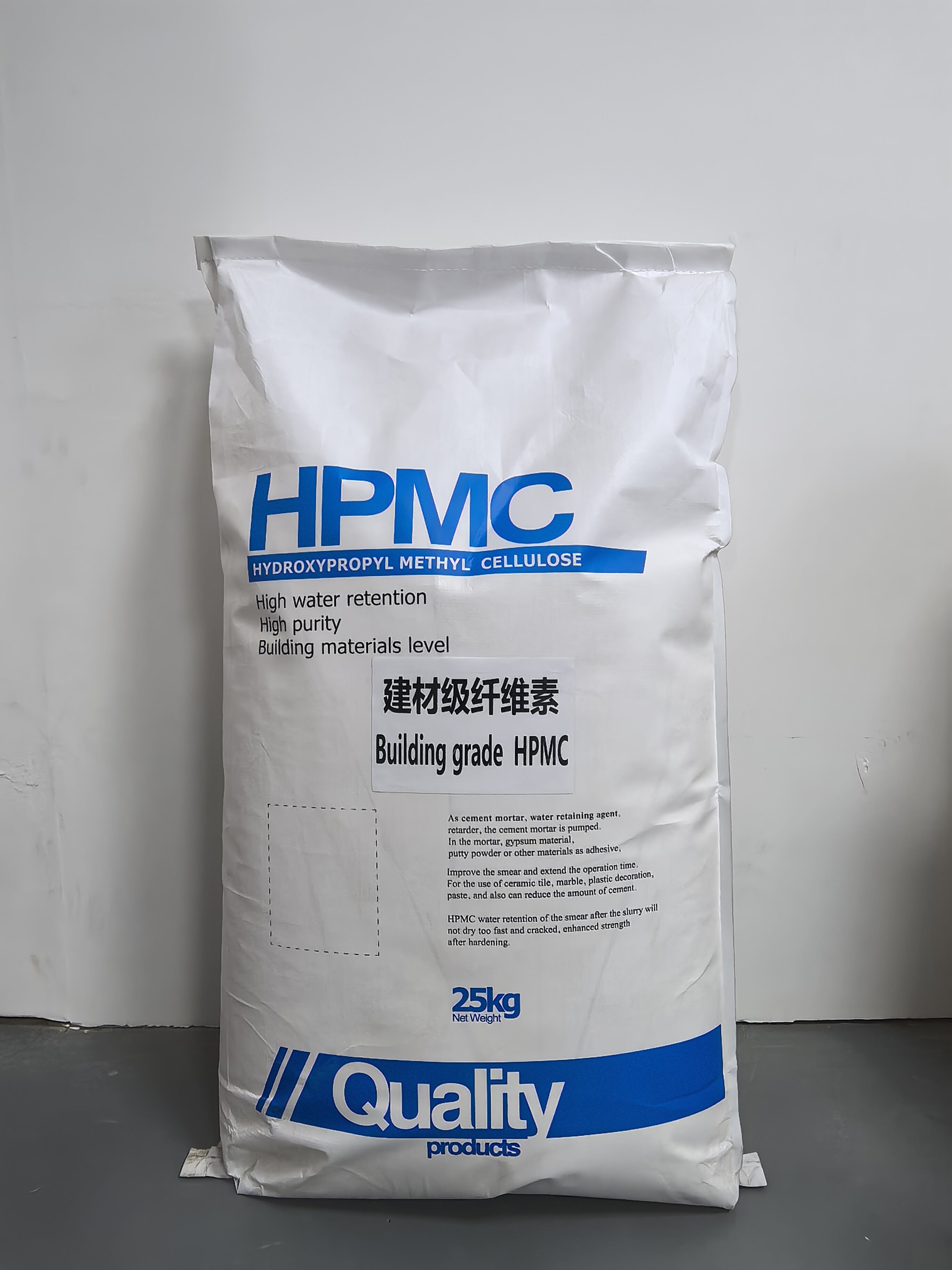
In today's construction industry, the demand for high-performance building materials continues to escalate as architects and engineers seek solutions that deliver superior durability, workability, and cost-effectiveness. Among the most transformative additives revolutionizing modern construction is HPMC cellulose, a versatile hydroxypropyl methylcellulose compound that has become indispensable in formulating advanced construction materials. This remarkable polymer enhances everything from cement-based mortars to tile adhesives, providing the critical performance characteristics that modern construction projects demand.
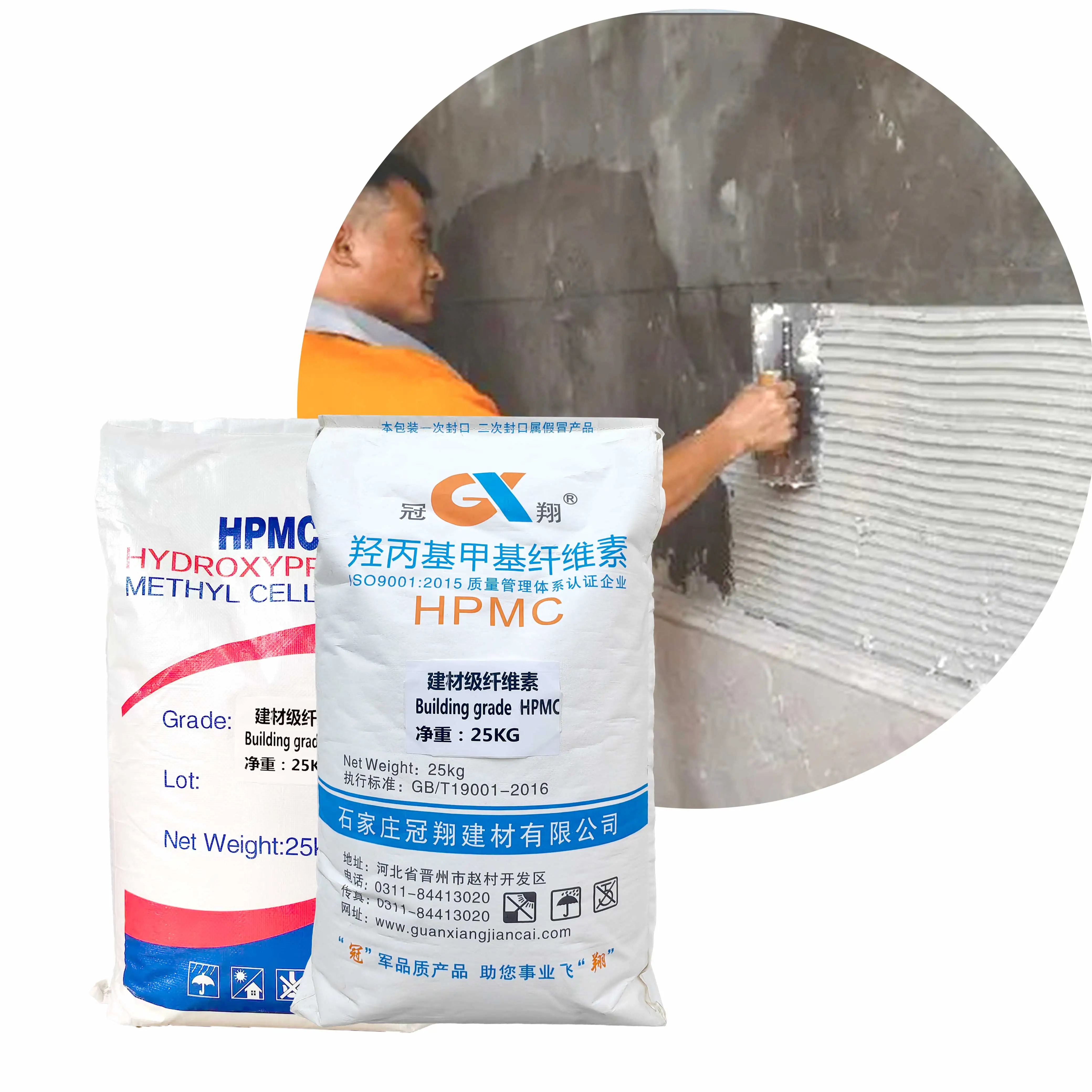
The construction sector has witnessed remarkable innovation in material science, with HPMC cellulose emerging as a game-changing additive that addresses multiple performance challenges simultaneously. From improving water retention in cement mixtures to enhancing the adhesive properties of tile fixing compounds, this multifunctional polymer has redefined quality standards across numerous construction applications. Understanding the fundamental role of HPMC cellulose in construction materials is essential for professionals seeking to optimize their projects' performance and longevity.
Understanding HPMC Cellulose Properties and Chemical Structure
Molecular Composition and Functional Groups
HPMC cellulose represents a sophisticated modification of natural cellulose, where hydroxypropyl and methyl groups are strategically introduced to create a water-soluble polymer with exceptional thickening and film-forming properties. The molecular structure of HPMC cellulose features a cellulose backbone with hydroxypropyl substituents that provide hydrophilic characteristics, while methyl groups contribute to the polymer's thermoplastic behavior. This unique combination enables HPMC cellulose to function as an effective rheology modifier, water retention agent, and protective colloid in construction applications.
The degree of substitution in HPMC cellulose determines its specific performance characteristics, with varying ratios of hydroxypropyl to methyl groups creating different grades suitable for distinct construction applications. Higher hydroxypropyl content typically results in improved water retention capabilities, while increased methyl substitution enhances thermal gelation properties. These molecular variations allow manufacturers to customize HPMC cellulose formulations to meet specific construction material requirements, from self-leveling compounds to exterior insulation systems.
Physical Properties and Performance Characteristics
The physical properties of HPMC cellulose make it particularly valuable in construction applications where consistency, workability, and performance stability are paramount. This polymer exhibits excellent solubility in cold water, forming clear, viscous solutions that demonstrate pseudoplastic flow behavior, meaning viscosity decreases under shear stress and recovers when shear is removed. This characteristic is crucial for construction materials that must be easily mixed and applied while maintaining their structural integrity once in place.
Temperature sensitivity represents another critical aspect of HPMC cellulose performance, as the polymer undergoes reversible thermal gelation at specific temperatures. This property enables construction materials containing HPMC cellulose to maintain workability during application while developing enhanced strength characteristics as temperatures fluctuate. The thermal gelation temperature can be adjusted through molecular modification, allowing formulators to optimize HPMC cellulose performance for specific climate conditions and application requirements.
Water Retention and Workability Enhancement Mechanisms
Advanced Water Management Systems
One of the most significant contributions of HPMC cellulose to construction material performance lies in its exceptional water retention capabilities. In cement-based systems, rapid water loss through absorption by substrates or evaporation can compromise hydration processes, leading to reduced strength development and poor durability. HPMC cellulose forms a protective film around cement particles and creates a three-dimensional network that effectively traps water molecules, ensuring adequate moisture availability for complete cement hydration.
The water retention mechanism of HPMC cellulose operates through multiple pathways, including hydrogen bonding with water molecules and the formation of gel-like structures that physically entrap moisture. This multi-faceted approach to water management ensures that construction materials maintain optimal consistency throughout their working time while preventing premature drying that could lead to shrinkage cracks or incomplete curing. The result is significantly improved final strength and durability in HPMC cellulose-modified construction materials.
Extended Open Time and Application Benefits
HPMC cellulose dramatically extends the open time of construction materials, providing contractors with greater flexibility in application and finishing operations. This extended workability is particularly valuable in large-scale projects where maintaining consistent material properties over extended periods is essential for achieving uniform results. The polymer's ability to prevent skinning and maintain plasticity allows for better tooling, finishing, and correction of minor application defects without compromising overall performance.
The workability enhancement provided by HPMC cellulose translates directly into improved application efficiency and reduced material waste. Construction crews can work with larger batches of material, reduce mixing frequency, and achieve more consistent application thickness across large surfaces. These operational benefits contribute significantly to project efficiency while ensuring superior final results that meet or exceed performance specifications.
Adhesion Improvement and Bonding Performance
Substrate Bonding Mechanisms
HPMC cellulose plays a crucial role in enhancing the adhesive properties of construction materials through several complementary mechanisms. The polymer's film-forming characteristics create a continuous, flexible interface between the construction material and substrate, improving mechanical interlocking and chemical bonding. This enhanced adhesion is particularly important in applications such as tile adhesives, where long-term bond strength determines the reliability and longevity of installations.
The presence of HPMC cellulose in construction formulations promotes better wetting of substrates by reducing surface tension and improving the material's ability to conform to surface irregularities. This intimate contact between the construction material and substrate creates optimal conditions for strong, durable bonds that resist environmental stresses such as temperature cycling, moisture exposure, and mechanical loading.
Flexibility and Stress Distribution
The flexibility imparted by HPMC cellulose to construction materials is essential for accommodating structural movements and thermal expansion without bond failure. The polymer's elastic properties allow for stress distribution across bonded interfaces, reducing the likelihood of catastrophic failure and extending service life. This flexibility is particularly valuable in exterior applications where materials experience significant temperature fluctuations and movement.
HPMC cellulose contributes to the development of construction materials that maintain their structural integrity while accommodating normal building movements. This balance between strength and flexibility is crucial for applications ranging from exterior insulation systems to interior tile installations, where rigid materials might crack under stress while overly flexible materials might lack adequate load-bearing capacity.
Rheological Control and Application Properties
Viscosity Modification and Flow Control
HPMC cellulose serves as a highly effective rheology modifier in construction materials, providing precise control over viscosity and flow characteristics. The polymer's thickening action is concentration-dependent and can be fine-tuned to achieve specific application properties, from pourable self-leveling compounds to thixotropic repair mortars. This versatility makes HPMC cellulose indispensable for formulating construction materials with tailored application characteristics.
The rheological properties imparted by HPMC cellulose contribute to improved sag resistance in vertical applications, better leveling characteristics on horizontal surfaces, and enhanced pumpability for spray-applied systems. These performance attributes directly translate into improved application efficiency, reduced material consumption, and superior finished surface quality across a wide range of construction applications.
Thixotropic Behavior and Structural Recovery
The thixotropic behavior of HPMC cellulose-modified construction materials represents a significant advantage in many applications. Materials exhibit reduced viscosity under mixing or application shear, facilitating easy handling and placement, then rapidly recover their structure once shear is removed. This behavior is particularly valuable for repair mortars and patching compounds that must resist sagging on vertical surfaces while remaining workable during application.
Structural recovery properties of HPMC cellulose enable construction materials to maintain their intended shape and thickness after application, eliminating common problems such as slumping, flow-out, or uneven coverage. This self-supporting characteristic is essential for achieving consistent material thickness and optimal performance in demanding applications such as structural repairs and protective coatings.
Thermal Stability and Performance Optimization
Temperature Response Characteristics
HPMC cellulose exhibits unique temperature response characteristics that can be leveraged to optimize construction material performance across varying environmental conditions. The polymer's thermal gelation behavior creates temperature-dependent viscosity changes that can enhance material performance during different phases of application and curing. Understanding these thermal characteristics allows formulators to optimize HPMC cellulose content and type for specific climate conditions and application requirements.
The thermal stability of HPMC cellulose ensures consistent performance across the temperature ranges commonly encountered in construction applications. Unlike some synthetic polymers that may degrade or lose effectiveness at elevated temperatures, HPMC cellulose maintains its functional properties while providing the thermal responsiveness needed for optimal material behavior throughout the application and curing process.
Long-term Performance and Durability
Construction materials modified with HPMC cellulose demonstrate excellent long-term performance characteristics, maintaining their enhanced properties throughout their service life. The polymer's chemical stability and resistance to enzymatic degradation ensure that the benefits provided during initial application continue to protect and enhance material performance over time. This durability is particularly important in exposed applications where materials must withstand weathering and environmental stresses.
The contribution of HPMC cellulose to long-term material durability extends beyond mere additive stability to include enhanced crack resistance, improved freeze-thaw performance, and better resistance to chemical attack. These protective characteristics result from the polymer's ability to modify the microstructure of construction materials, creating more resilient and durable final products that meet demanding performance standards.
Application Diversity in Construction Materials
Cement-Based Systems and Mortars
HPMC cellulose finds extensive application in cement-based construction materials, where it addresses critical performance challenges related to workability, strength development, and durability. In ready-mix mortars, HPMC cellulose improves consistency, extends pot life, and enhances application characteristics while contributing to superior final strength and reduced shrinkage. The polymer's compatibility with various cement types and supplementary cementitious materials makes it versatile for diverse formulations.
Specialized cement-based applications benefit significantly from HPMC cellulose modification, including self-leveling underlayments, repair mortars, and structural grouts. In these demanding applications, the polymer provides the precise rheological control and performance enhancement needed to meet stringent specification requirements while maintaining ease of application and consistent results.
Tile Adhesives and Ceramic Applications
The tile adhesive industry relies heavily on HPMC cellulose to achieve the demanding performance requirements of modern ceramic installations. The polymer provides essential characteristics such as extended open time, improved adhesion strength, and enhanced flexibility that are crucial for successful tile installations. HPMC cellulose enables the formulation of adhesives capable of bonding large-format tiles, natural stone, and specialized ceramics under challenging conditions.
Advanced tile adhesive formulations utilizing HPMC cellulose can accommodate substrate movement, resist water penetration, and maintain bond strength under thermal cycling conditions. These performance characteristics are essential for both interior and exterior applications where long-term reliability is paramount. The polymer's contribution to slip resistance and positioning stability during tile installation provides additional practical benefits for installers.
Quality Control and Performance Optimization
Testing and Validation Methods
Effective utilization of HPMC cellulose in construction materials requires comprehensive testing and validation to ensure optimal performance characteristics. Standard test methods evaluate key properties such as water retention, open time, bond strength, and rheological behavior to verify that HPMC cellulose modifications achieve desired performance goals. These testing protocols provide essential feedback for formulation optimization and quality assurance.
Advanced characterization techniques enable detailed analysis of how HPMC cellulose influences construction material performance at the molecular and microstructural levels. Understanding these fundamental interactions allows for more precise formulation approaches and better prediction of long-term performance characteristics. This scientific approach to HPMC cellulose utilization ensures maximum benefit from this valuable construction additive.
Formulation Guidelines and Best Practices
Successful implementation of HPMC cellulose in construction materials requires adherence to established formulation guidelines and best practices developed through extensive research and field experience. Optimal dosage levels, mixing procedures, and compatibility considerations must be carefully evaluated to achieve desired performance characteristics while maintaining cost-effectiveness and manufacturing efficiency.
Best practices for HPMC cellulose application include proper dispersion techniques, temperature control during mixing, and compatibility testing with other formulation components. These procedural considerations ensure that the polymer's full performance potential is realized while avoiding common formulation pitfalls that could compromise material quality or application characteristics.
FAQ
What is the optimal dosage of HPMC cellulose in construction materials
The optimal dosage of HPMC cellulose in construction materials typically ranges from 0.1% to 0.5% by weight of the total dry mix, depending on the specific application and desired performance characteristics. For tile adhesives, dosages of 0.2% to 0.3% are common, while self-leveling compounds may require 0.1% to 0.2%. The exact dosage should be determined through testing to achieve the desired balance of workability, water retention, and final performance properties.
How does HPMC cellulose affect the setting time of cement-based materials
HPMC cellulose generally extends the setting time of cement-based materials by improving water retention and reducing the rate of water loss from the system. This extension is typically beneficial as it provides more working time and ensures more complete cement hydration. However, the degree of setting time extension depends on the HPMC cellulose grade, dosage, temperature, and other formulation factors, making it important to optimize these variables for specific applications.
Can HPMC cellulose be used in exterior construction applications
Yes, HPMC cellulose is well-suited for exterior construction applications and provides excellent performance in weathering conditions. The polymer's UV stability, thermal resistance, and water retention properties make it valuable for exterior renders, facade systems, and repair mortars. HPMC cellulose helps construction materials resist freeze-thaw cycles, temperature fluctuations, and moisture exposure while maintaining their structural integrity and performance characteristics over time.
What are the storage and handling requirements for HPMC cellulose
HPMC cellulose should be stored in a cool, dry environment away from direct sunlight and moisture to maintain its performance properties. The material has excellent shelf stability when properly stored, typically maintaining its effectiveness for several years under appropriate conditions. During handling, dust control measures should be implemented, and the material should be protected from contamination with incompatible substances. Proper storage and handling ensure consistent performance and prevent degradation of the polymer's functional characteristics.
Table of Contents
- Understanding HPMC Cellulose Properties and Chemical Structure
- Water Retention and Workability Enhancement Mechanisms
- Adhesion Improvement and Bonding Performance
- Rheological Control and Application Properties
- Thermal Stability and Performance Optimization
- Application Diversity in Construction Materials
- Quality Control and Performance Optimization
- FAQ