 EN
EN
 AR
AR
 CS
CS
 DA
DA
 NL
NL
 FI
FI
 FR
FR
 DE
DE
 EL
EL
 HI
HI
 IT
IT
 JA
JA
 KO
KO
 NO
NO
 PL
PL
 PT
PT
 RO
RO
 RU
RU
 ES
ES
 SV
SV
 IW
IW
 ID
ID
 SR
SR
 SK
SK
 UK
UK
 VI
VI
 HU
HU
 TH
TH
 TR
TR
 AF
AF
 MS
MS
 CY
CY
 IS
IS
 BN
BN
 LO
LO
 LA
LA
 NE
NE
 MY
MY
 KK
KK
 UZ
UZ


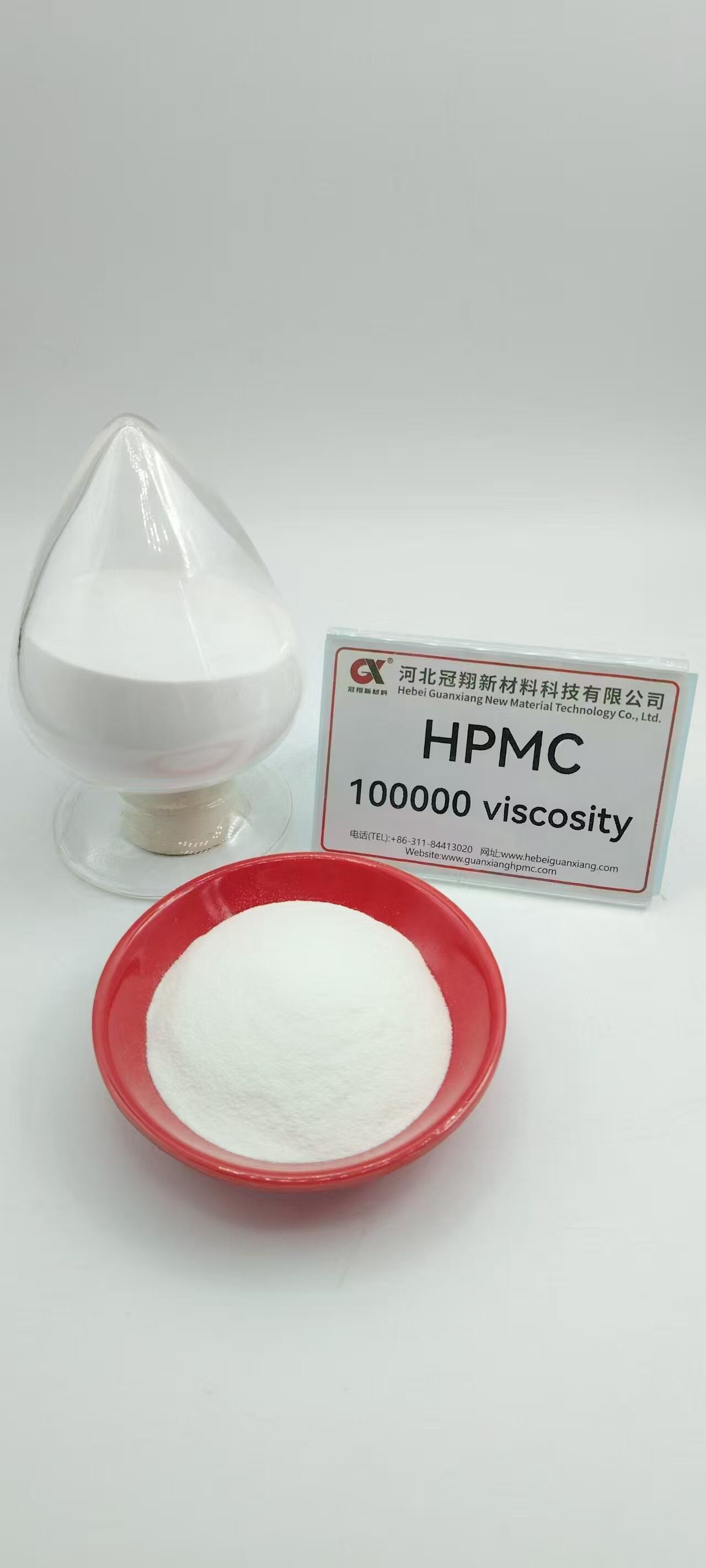
The ceramic industry relies heavily on specialized additives to achieve superior product quality, and ceramic grade HPMC stands as one of the most critical components in modern ceramic manufacturing processes. This hydroxypropyl methyl cellulose variant offers unique properties that enhance workability, binding strength, and overall ceramic performance. Manufacturing professionals must carefully evaluate multiple factors when selecting the right ceramic grade HPMC for their specific applications, as the wrong choice can significantly impact production efficiency and final product quality.
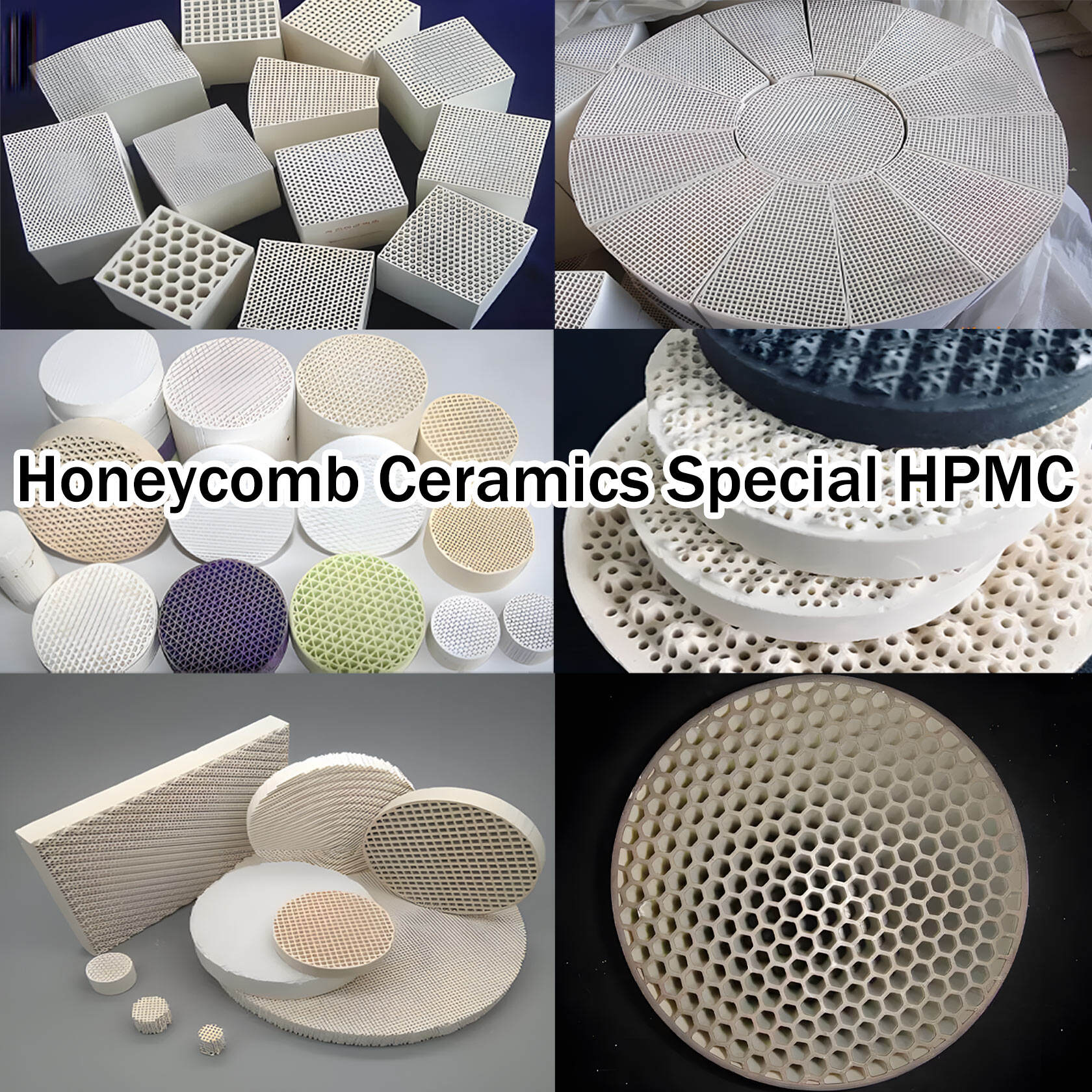
Understanding Ceramic Grade HPMC Properties and Applications
Chemical Composition and Molecular Structure
Ceramic grade HPMC exhibits a unique molecular structure that combines hydroxypropyl and methyl substituents on a cellulose backbone. This specific composition provides exceptional water retention capabilities, thermal stability, and binding properties essential for ceramic applications. The molecular weight distribution and degree of substitution directly influence the performance characteristics, making these parameters crucial for manufacturers to understand. Quality ceramic grade HPMC maintains consistent viscosity profiles across different temperature ranges, ensuring reliable performance during various processing stages.
The chemical purity of ceramic grade HPMC significantly affects its interaction with ceramic materials and other additives in the formulation. High-grade products typically contain minimal impurities that could interfere with ceramic firing processes or compromise the final product's structural integrity. Understanding these chemical aspects helps manufacturers select products that align with their specific ceramic applications and quality requirements.
Physical Characteristics and Performance Metrics
The physical properties of ceramic grade HPMC, including particle size distribution, bulk density, and moisture content, play vital roles in determining processing behavior and final ceramic quality. Fine particle size ensures uniform dispersion throughout ceramic mixtures, while optimal bulk density facilitates accurate dosing and mixing procedures. Moisture content must be carefully controlled to prevent unwanted interactions during storage and processing phases.
Viscosity characteristics represent perhaps the most critical physical parameter for ceramic grade HPMC selection. Different ceramic applications require specific viscosity ranges to achieve optimal workability, shape retention, and surface finish. High-quality ceramic grade HPMC maintains stable viscosity profiles under varying temperature and pH conditions, ensuring consistent performance throughout the ceramic manufacturing process.
Application-Specific Requirements and Performance Criteria
Ceramic Tile Manufacturing Considerations
Ceramic tile production demands ceramic grade HPMC with specific performance characteristics to ensure proper adhesion, workability, and surface quality. The additive must provide excellent water retention to prevent premature drying during tile formation while maintaining sufficient binding strength to support the tile structure before firing. Temperature stability becomes crucial during the drying and firing processes, where ceramic grade HPMC must decompose cleanly without leaving residues that could affect tile quality.
Surface finish quality depends heavily on the uniform distribution and performance of ceramic grade HPMC throughout the tile body. Manufacturers must select grades that offer consistent rheological properties and minimal impact on the final ceramic's appearance and mechanical properties. The compatibility with various ceramic raw materials and glazing systems further influences the selection process for tile manufacturing applications.
Sanitaryware and Technical Ceramics Applications
Sanitaryware production requires ceramic grade HPMC with enhanced binding capabilities and superior shape retention properties. These applications typically involve complex geometries and thicker cross-sections, demanding additives that maintain structural integrity during extended drying periods. The ceramic grade HPMC must provide consistent performance across varying wall thicknesses and geometric configurations while supporting smooth surface finishes.
Technical ceramics applications often impose the most stringent requirements on ceramic grade HPMC performance. These specialized applications require additives with precise rheological properties, minimal impurity content, and predictable thermal decomposition characteristics. Understanding the specific demands of technical ceramic applications helps manufacturers select grades that meet both processing requirements and final product specifications.
Quality Assessment and Testing Protocols
Raw Material Testing and Verification
Comprehensive testing protocols ensure that ceramic grade HPMC meets specified quality standards and performance requirements. Viscosity testing under controlled conditions provides insights into processing behavior and consistency. Chemical analysis confirms the absence of harmful impurities and verifies the correct degree of substitution. Particle size analysis ensures uniform distribution capabilities, while moisture content testing prevents storage and processing complications.
Thermal analysis techniques, including thermogravimetric analysis and differential scanning calorimetry, reveal decomposition characteristics and thermal stability profiles. These tests help predict ceramic grade HPMC behavior during firing processes and ensure clean burnout without unwanted residues. Regular batch testing maintains consistent quality standards and identifies potential variations before they impact production processes.
Performance Validation in Ceramic Systems
Laboratory-scale trials provide valuable insights into ceramic grade HPMC performance within specific ceramic formulations. These tests evaluate water retention capabilities, binding strength, workability, and compatibility with other additives. Controlled firing trials assess thermal decomposition behavior and identify any potential issues with ceramic quality or appearance. Performance validation helps manufacturers optimize dosage levels and processing parameters for their specific applications.
Long-term storage stability testing ensures that ceramic grade HPMC maintains its properties throughout typical storage periods. Accelerated aging studies reveal potential degradation pathways and help establish appropriate storage conditions and shelf life recommendations. These validation processes provide confidence in product consistency and long-term supply reliability for ceramic manufacturing operations.
Economic and Supply Chain Considerations
Cost-Benefit Analysis and Value Optimization
Selecting ceramic grade HPMC requires careful evaluation of cost versus performance benefits to optimize overall manufacturing economics. Higher-grade products may command premium pricing but often provide superior performance, reduced waste, and improved product quality that justifies the additional investment. Manufacturers must consider the total cost of ownership, including material costs, processing efficiency, waste reduction, and final product quality improvements.
Dosage optimization studies help determine the minimum effective concentration of ceramic grade HPMC required to achieve desired performance characteristics. These studies often reveal opportunities for cost reduction without compromising product quality. Understanding the relationship between ceramic grade HPMC quality and required dosage levels enables manufacturers to make informed decisions about material selection and cost optimization strategies.
Supply Chain Reliability and Technical Support
Reliable supply chains ensure consistent availability of ceramic grade HPMC without disrupting production schedules. Manufacturers should evaluate supplier capabilities, including production capacity, quality control systems, and global distribution networks. Technical support availability becomes crucial when optimizing formulations or troubleshooting processing issues. Suppliers with extensive ceramic industry experience provide valuable insights and application support that enhance overall manufacturing success.
Long-term supply partnerships often provide advantages in terms of pricing stability, priority allocation during supply constraints, and collaborative product development opportunities. Manufacturers benefit from establishing relationships with ceramic grade HPMC suppliers who understand their specific applications and can provide customized solutions or technical innovations that improve manufacturing processes and product quality.
Environmental and Regulatory Compliance
Environmental Impact and Sustainability
Modern ceramic manufacturing emphasizes environmental responsibility, making the selection of sustainable ceramic grade HPMC increasingly important. Biodegradable additives minimize environmental impact during ceramic firing processes and reduce concerns about long-term waste management. Suppliers who demonstrate commitment to sustainable manufacturing practices align with industry trends toward environmental stewardship and corporate responsibility.
Life cycle assessment considerations help manufacturers evaluate the overall environmental impact of ceramic grade HPMC selection. These assessments include raw material sourcing, manufacturing processes, transportation impacts, and end-of-life disposal considerations. Ceramic grade HPMC derived from renewable cellulose sources offers environmental advantages over synthetic alternatives while maintaining excellent technical performance in ceramic applications.
Regulatory Compliance and Documentation
Ceramic grade HPMC used in certain applications must comply with relevant regulatory standards and safety requirements. Food-contact ceramics, for example, require additives that meet strict purity standards and safety regulations. Medical device ceramics impose additional requirements for biocompatibility and sterility. Understanding regulatory requirements helps manufacturers select appropriate ceramic grade HPMC grades and maintain compliance documentation.
Comprehensive material safety data sheets and certificates of analysis provide essential information for regulatory compliance and worker safety programs. Suppliers who maintain detailed documentation and quality certifications simplify compliance processes and provide assurance of consistent product quality. Regular auditing of supplier facilities and quality systems ensures ongoing compliance with relevant standards and regulations.
Implementation and Process Optimization
Integration into Existing Manufacturing Processes
Successful integration of ceramic grade HPMC into existing manufacturing processes requires careful planning and gradual implementation strategies. Process modifications may be necessary to accommodate different handling characteristics or mixing requirements. Staff training ensures proper handling procedures and optimal utilization of ceramic grade HPMC benefits. Gradual transitions allow for process optimization while maintaining production continuity and quality standards.
Equipment compatibility assessments ensure that existing mixing, handling, and dosing equipment can effectively process ceramic grade HPMC. Some grades may require modifications to mixing procedures or equipment settings to achieve optimal dispersion and performance. Understanding equipment limitations and capabilities helps manufacturers select ceramic grade HPMC products that integrate seamlessly into their existing operations.
Monitoring and Continuous Improvement
Ongoing monitoring programs track ceramic grade HPMC performance and identify opportunities for continuous improvement. Statistical process control techniques help maintain consistent quality while detecting variations that might indicate supply issues or process deviations. Regular performance reviews ensure that selected ceramic grade HPMC continues to meet evolving manufacturing requirements and quality standards.
Feedback systems capture operator observations and quality data that inform future ceramic grade HPMC selection decisions. These systems help identify trends, optimize dosage levels, and detect potential issues before they impact production quality. Continuous improvement initiatives leverage this data to enhance overall manufacturing efficiency and product quality while reducing costs and environmental impact.
FAQ
How does ceramic grade HPMC differ from standard HPMC products
Ceramic grade HPMC features enhanced purity levels, controlled particle size distribution, and specific viscosity characteristics optimized for ceramic applications. These products undergo additional purification processes to remove impurities that could interfere with ceramic firing or affect final product quality. The thermal decomposition profile is specifically designed to provide clean burnout without leaving residues that could compromise ceramic properties.
What factors determine the optimal dosage of ceramic grade HPMC in ceramic formulations
Optimal ceramic grade HPMC dosage depends on several factors including ceramic composition, desired workability, shape complexity, and firing schedule. Laboratory trials typically determine the minimum effective concentration required to achieve desired performance characteristics. Factors such as clay content, particle size distribution, and moisture levels influence the required dosage, making formulation-specific testing essential for optimization.
Can ceramic grade HPMC be used with all types of ceramic raw materials
While ceramic grade HPMC demonstrates broad compatibility with most ceramic raw materials, specific combinations may require evaluation to ensure optimal performance. Highly alkaline or acidic ceramic systems may affect HPMC stability and performance characteristics. Compatibility testing with specific raw material combinations helps identify any potential interactions and optimize formulation parameters for best results.
What storage conditions are recommended for ceramic grade HPMC to maintain quality
Ceramic grade HPMC should be stored in cool, dry conditions away from direct sunlight and moisture sources. Sealed containers prevent contamination and moisture absorption that could affect product performance. Temperature fluctuations should be minimized, and storage areas should maintain relative humidity below 65% to prevent caking or degradation. Proper rotation ensures older inventory is used first, maintaining product freshness and performance consistency.
Table of Contents
- Understanding Ceramic Grade HPMC Properties and Applications
- Application-Specific Requirements and Performance Criteria
- Quality Assessment and Testing Protocols
- Economic and Supply Chain Considerations
- Environmental and Regulatory Compliance
- Implementation and Process Optimization
-
FAQ
- How does ceramic grade HPMC differ from standard HPMC products
- What factors determine the optimal dosage of ceramic grade HPMC in ceramic formulations
- Can ceramic grade HPMC be used with all types of ceramic raw materials
- What storage conditions are recommended for ceramic grade HPMC to maintain quality